Healthy Body, Healthy Comadres, Healthy Family

Five Steps to Living a Life with Ganas and Salud

So You Have Diabetes, Comadre…

First of all, remember, you are strong, you are powerful.  You are Latina.  Even with all the diabetes in our families and communities, Latinas still live longer than anyone else.

We are made of strong stuff.  So even though we have diabetes, we still live longer than anyone else.  Now let’s live, not just longer, but also healthier!  We can do it.

Let’s take care of ourselves con Ganas y Salud!

When it comes to diabetes, taking care of ourselves comes down to several steps.

  1. See a Certified Diabetes Educator.
  2. Eat Healthy.
  3. ¡Actívate! Get active, already.
  4. Manage your stress.
  5. Get support.

  1. See a Certified Diabetes Educator. The first step in taking care of your diabetes is to get good advice from an expert.  If you have insurance, are on Medicare or Medicaid, find out more about DSMES.

DSMES is the Diabetes Self Management Education and Support Program.  This program offers special diabetes education and management services to people with diabetes.  These are certified educators who know what they’re doing when it comes to diabetes.  They will help you figure out a plan that is tailored to  your needs.  Take advantage of it, if you can.

If you are Medicare and/or Medicaid, DSMES may be free.  Find out more.

There are other very good resources in the United States for other diabetes education and support.  There is a program called the Diabetes Self-Management Program and the Chronic Disease Self-Management Program that offer classes.  You will learn a lot about diabetes self-care and you will make friends!

Contact your local health department for information about these free classes.  They are sometimes available in Spanish.

  1. Eat Healthy. What does that mean?  We are going to give you some simple guidelines, from the CDC.  This is an easy way to eat healthier when you have diabetes. 

The Plate Method

Eating healthy when you have diabetes is all about controlling your blood sugar levels.  Starchy vegetables and processed grains like white flour, white rice, white flour tortillas and white bread are just some of the foods that will raise  your blood sugar levels.  These kinds of foods can cause you problems. Learn to eat these kinds of foods in a more moderate way, and your body will thank you. It doesn’t mean you can never have cake or bizcochitos or empanadas.  It just means you need to take care of yourself by being careful and medida.  Nothing wrong with being medida. (Didn’t your mama always tell you that?)

The plate method is a simple, visual way to make sure you get enough nonstarchy vegetables and lean protein while limiting the amount of higher-carb foods.

Here’s how to use the Plate Method:

  • Start with a 9-inch dinner plate.
  • Fill half with nonstarchy vegetables, such as salad, green beans, broccoli, cauliflower, cabbage, peppers, verdolagas, pepinos, and carrots.
  • Fill one quarter of your plate with a lean protein, such as chicken, fish, turkey, beans, or eggs.
  • Fill one quarter with carb foods. Foods that are higher in carbs include grains, starchy vegetables (such as potatoes and peas), rice, pasta, fruit, and yogurt. A cup of milk also counts as a carb food.
  • Choose water or a low-calorie drink such as unsweetened iced tea to go with your meal.
  • Look in our Cocina for Diabetes Friendly Recipes.
  • Learn to make more veggie dishes.
  • Snack on veggies like carrots, pepino con chilito, green beans, celery and jicama, also con chilito y limón.
  1. ¡Actívate, Ya! Get active already.  You don’t need to join the gym or get expensive equipment.  Start with 30 to 45 minutes of activity every day.  You can go for a 20 minute walk in the morning and 20 minute walk in the afternoon. You can mix up up. 

Get a bike! Ride your bike for 30 minutes. Work in your garden for 20 minutes and go for a walk for another 20 minutes.

Walking is free. Find a safe place to walk. Call your Comadre and get out there, Girl! Being more active will help you control you blood sugar and may help you get to a healthier weight. Don’t delay. Do it today.

  1. Manage your stress. Stress is not good for anyone but it is especially hard on people with diabetes.  Learn about deep relaxation. There are many free resources online that can help you manage your stress.  Even taking 10 deep  relaxing breaths every few hours will help you reduce stress.  Go stand under a tree for 5 minutes and be still.  Take a walk around your neighborhood and look at the flowers. Pray the rosary. Or use prayer beads in your own way. 
  2. Get support. Moral support is very  important for people with diabetes.  Avoid isolating yourself when you feel sick or low energy.  Call a Comadre and complain.  Go for it.  Join a support group.  Take a diabetes self-management class and make new friends who also have diabetes.  Reach out to your friends and family and share your feelings.  Find people who will not judge you when you don’t stick  to your plan or eat something that makes you feel guilty. 

Remember, you can live well with diabetes.  You are strong. You are powerful. You are Latina!  And you live longer than anyone else!  That’s good news!

Now live your healthiest life so  you can live that long life con ganas y salud.

Healthy Family

8 Tips on Hiking with Your Kids

“I’ve always loved nature. When Marty and I were dating, we would go hiking every weekend. It was my favorite way to stay fit. And for me, going for a walk is essential to manage stress. When the children came, I wanted them to also enjoy this beautiful and healthy activity.”

“At first I was nervous to take the boys out into the country. They have always been restless and have a lot of energy,” Liz tells us. “I imagined Ricardo breaking an arm climbing trees while Agustin fell over a cliff for running instead of walking.”

Liz soon learned that taking children under the age of 6 on a “real hike” was not realistic. “I realized that they were just too young for a regular hike and I had to adjust.”

She then came up with a new plan. “For the little ones, the plan was to get outdoors, enjoy a nice day and play. By the time they’re 7-9, they can be taken on longer hikes.”

Liz was determined to inspire the love of the outdoors in her children so step by step, poco a poco, she and her family started a beautiful tradition.

“We started slowly and little by little we became a family of explorers. Now my boys love hiking and the outdoors.  We spend wonderful times together out in nature. It is one of the things that makes us feel stronger, healthier, and bonded as a family.”


Here are some tips from Liz on how you can enjoy the great outdoors with your children:

1. Involve the Whole Family and Other Friends:

Let’s face it, exercise is more fun when done with the people you love. Invite your abuela, tía and fellow super-mamás to get active in the great outdoors. Hiking is a perfect low-impact, group activity for people of all ages and fitness levels. It doesn’t have to be a long hike to start.  Start with an hour or two. Or go for an hour, rest, have a snack and come back.

2. Keep it Easy & Make Plenty of Time:

Especially for your first few adventures, choose a hike that’s short, on a mild incline, and has a great destination to look forward to. Waterfalls, lakes and vistas are all great choices, but if your little ones get sidetracked along the way, no worries! It’s about the journey, not the destination, so give your kids plenty of time to look around and investigate.

3. Be Prepared For Everything:

As a proud super-mamá, we know you’re prepared to handle just about anything. But the trail can throw some unexpected surprises at you. Be sure to pack these 10 essentials.

  • Map or guide
  • Sunglasses
  • Sunscreen
  • Extra clothing
  • Flashlight
  • First-aid supplies
  • Matches
  • Knife
  • Extra food
  • Charged cell phone

You might also want to pack some kid-friendly items like a magnifying glass, binoculars and a safety whistle. No matter the weather, dress the entire family in layers. Bring rain clothes, hats and gloves in case of chilly or wet weather, and an extra set of clothes for after the hike in case the little ones get wet or muddy.

4. Take Breaks & Stay Positive:

If you are going for a longer hike, 2 hours or more, remember that hiking takes a lot of energy. Frequent rests for healthy snacks, water and exploration will help keep your child’s energy — and your own — in tip-top shape. While wandering, use positive reinforcement to help your kids feel good about trying something new. Make sure to tell them how awesome they are!

5. Play & Follow the Leader:

Letting your little ones lead the way can help them feel empowered — just be sure to change leaders so everyone gets a turn. This will help them feel invested in the end destination and ensure you’re setting a kid-friendly pace. To keep things fun, play a game along the way. Try counting all the different kinds of birds, flowers or types of trees you see so the trip is not just fun but educational!

6. Leave No Trace:

Hiking helps you create healthy lifestyle habits not just for the family, but for being mindful of taking care of the environment. Bring a bag for your trash or make a game of collecting trash you see on the way back to the car. Pass on the value that together we can help take care of nature so we can all enjoy it.

7. Hike Often:

Make hiking a family tradition. Tradition can be a powerful motivator, especially for families and friends. Take turns planning the adventure with other moms or family members by choosing one weekend a month to start. Help your kids look forward to the trip each time by letting them help choose the destination and pack their own supplies.  Just have a checklist ready to make sure you have everything you need.

8. Track Your Trip:

Use the activity tracker in the De Las Mías app to track your hikes. Tracking your hike will help you and your family see your accomplishments. It will also show the progress you’ve made on your journey to embrace a joyful, healthy life. Download the De Las Mías App to track all your activities and learn more about maintaining a healthy life. Share your goals and success stories with your friends, comadres and families.

Now that you’ve got these tips in your back pocket, get out there and explore!

Healthy Body, Healthy Comadres, Healthy Family

The Wellness Wheel: La Rueda del Bienestar

I love the word for wellness in Spanish – It means to be well.

The De Las Mías tool I want to introduce you to is called the Wellness Wheel in English – La rueda del bienestar in Spanish.

What does Wellness/Bienestar mean? 

At its center, wellness means living a healthy, balanced life.  It includes being physically, mentally, emotionally and spiritually well.

In the physical realm, it means eating healthy foods, drinking plenty of water, getting exercise and treating your body with respect.

In the mental realm, it means keeping your mind engaged, reading, learning new things, and being a good problem solver.

In the emotional realm, it means giving and receiving social support, paying attention to how you feel, sharing your feelings in a healthy way, and having and showing empathy for others.

In the spiritual realm, it means paying attention to your inner self, meditating, praying, relaxing and/or believing in something greater than yourself.

At De Las Mías, when we talk about a healthy lifestyle, we are talking about wellness in the whole sense of the word.

Wellness means you are in active pursuit of a healthier, more balanced life. We believe that you can live a life of wellness even when you have a chronic condition like diabetes, cancer or heart disease.  The idea of pursuing wellness also goes along with self-care.

The Rueda del bienestar is one tool to help you check in with yourself and look at your life from this lens.  It is another tool to help you on your quest for a healthier life.

Here is how to use La Rueda del Bienestar –  

Draw the Wellness Wheel on a piece of paper.  Label each area of the wheel, like in the illustration.  Once you have your Rueda in front of you, place a little dot in the wheel of where you think you are in each aspect. Use a scale from 1-10. One is in the center, which means you have to pay more attention to this aspect, and ten is that you are very satisfied with your lifestyle in this aspect of wellness.

This is your own private wellness wheel, and if you feel ready, share it with your comadre or someone who cares about you. It is just another tool to help you take stock of where you are now and where you want to be.

After you do this part of the exercise, ask yourself:

  1. Where are my strong points?  What aspects of my Wellness Wheel do I feel really good about?
  2. What aspects of my Wellness Wheel need improvement?
  3. Choose one small step that you can take to improve one aspect of your Wellness Wheel.

You can use the SMART tool to help you go into action. bit.ly/DLMsmartGoals

Remember the power of the Comadre, i.e., social support! Share your plan of action with your Comadre, Sister or Friend!

Healthy Body, Healthy Family, Healthy Mexican Food

Healthy Habits & Self-Monitoring: A Powerful Tool for Change


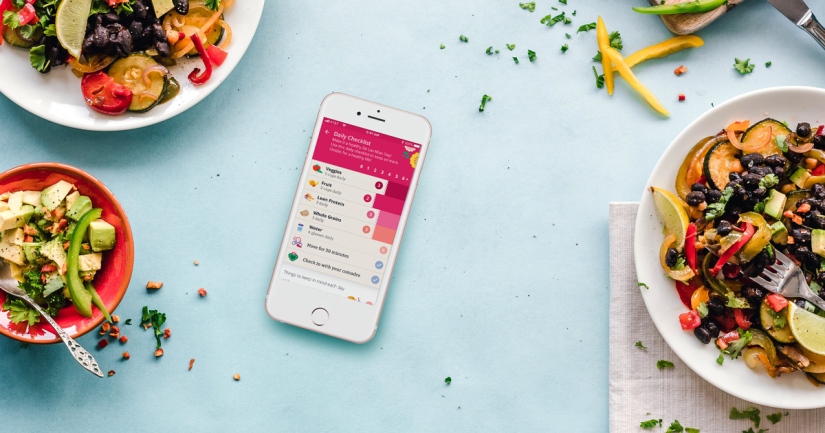
Create healthy habits with our Healthy Lifestyle Checklist

Whether you’re trying to get to a healthier weight or just eat healthier, one of the most powerful tools you can use is self-monitoring. Self-monitoring is simply paying attention to what you’re doing and keeping track of it. You can use self-monitoring to improve your eating habits, track your physical activity, become more aware of your moods – you can even track how you’re spending your money. Self-monitoring gives you power.

At De Las Mías we like to say, ¡Saber es poder! Knowledge is power.

If you are trying to make healthy changes, self-monitoring puts you in the driver’s seat. 

The De Las Mías app offers you two great self-monitoring tools:

  •       The Healthy Habits Checklist
  •       Activity Tracker

The Healthy Habits Checklist

Find this quick and easy-to-use tool on the De Las Mías app! It’s there to remind you of the healthy habits you need to lead a healthier life. Use it daily to keep up with your healthy lifestyle goals. The checklist will help you stay on track: Eat more veggies! Drink more water! Call your comadre! Cut down on sugar! When you use the checklist you build healthy habits.

Do it for 3 days straight. See what happens. Then do it for 5. Then do it again until it sticks. 

The Healthy Habits Checklist is a great self-monitoring tool. The healthy habits on the checklist are proven to improve your health. Get into the habit of using the checklist every day. And then one day, ¡Boinas! You are in the habit of being healthy.

Start doing it today. ¡Te va encantar! ¡You’re gonna love it!

The checklist includes all the important healthy habit goals you need to lead a healthier life, but there are 3 we would like you to start with:

  1.     Eat more vegetables
  2.     Eat more fruit
  3.     Get more exercise

First, let’s talk about healthy habits and how to eat more fruits and veggies. Next, we’ll talk about how to build a healthy habit of moving your body every day.

Let’s Get Started with the Veggie Habit!  

The very first 2 healthy habits we want you to build is to eat your fruits and veggies. According to the CDC (Centers for Disease Control), only one in 10 adults in the U.S. get the recommended amount of fruits and vegetables. Eating your daily fruits and veggies can help reduce the risk of many chronic diseases such as obesity, heart disease, type 2 diabetes, and some cancers.

To jump start your healthy habit of eating more fruits and veggies, our certified nutritionist, la mera Malena Perdomo, came up with daily menus you can try from our recipes. If you choose your meals from the many delicious De Las Mías recipes, you’ll be well on your way to building healthy habits and becoming a Healthy Habit Super Mujer!    

At De Las Mías, we are taking a page from the latest research that shows that you don’t have to count every calorie to get to a healthier weight. You can get to a healthier weight by building healthy habits over time. This is a more balanced way of living and one that you can keep up over your whole life. We’re not losing 30 pounds by Christmas here, Comadre. We’re working on a healthy lifestyle you can keep up ¡Por Vida! (And no, you don’t have to give up tamales.)

So Malena, our nutritionist, works with hundreds of women all over the country in her own practice as well as helping De Las Mías. She tells us, “Many of the women I work with want a simple approach to eating healthier. I help them by giving them a menu to follow for the week.”

Tres Días of De Las Mías: Three-Day Meal Plan

So her is a 3-day De Las Mías  plan that she prepared for you. All of these recipes can be found on the De Las Mías app or website.  We call it, Tres Días of De Las Mías

Here’s how it works:

  1. Review the recipes , check your pantry for ingredients you may already have, and go shopping for the rest.
  2. Try the plan for 3 days and start checking off those healthy habits.
  3. Let us know how it goes.

Remember this: De Las Mías is evidence-based! That means that all our Mexican, Southwestern and New Mexican recipes align with the highest standards set by the USDA as heart healthy and good for you! Our recipes are developed by our Test Kitchen Chef, Lori, in Saguarita, Arizona and then Malena analyzes them in her kitchen in Denver, Colorado. Our recetas are tried, tested and approved by Latinas just like you! 

¡Buen Provecho! 

Day 1 – Tres Días of De Las Mías

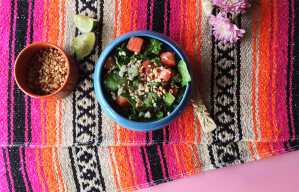
Watermelon spinach salad

Breakfast: Spinach Scramble with Queso fresco (140cals)  – Check off 1 serving of veggies!

Lunch: Watermelon and Almond Salad (130cals) and Enfrijoladas de Pollo* (400cals) Check off 1 serving of fruit and 1 serving of veggies!

Dinner: Tuna Tacos (330 cals) and Nopalitos Salsa (1cup 40cals) – Check off 1 serving of veggies!

Snack: Add one fruit, like an apple, orange or banana – Check off 1 more serving of fruit!

¡Eso! You just checked your 3 veggies and 2 fruits for the day! (All this for under 1200 calories – not that you’re counting!)

Day 2 – Tres Días of De Las Mías

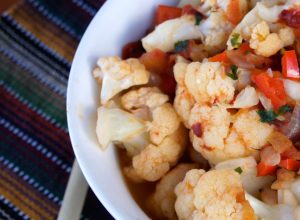
Spicy cauliflower

Breakfast: Brunch Quesadilla (250cals)

Lunch:  Turkey Taco Salad* (320 cals) – Check off 2 servings of veggies!

Dinner:  Spicy Cauliflower (60cals), Roasted chicken* (190 cals), and Lori’s Quinoa Jalapeño Salad* (220cals) – Check off 2 serving of veggies!

Snack: Add a cup of chopped fruit like melon, pineapple, and strawberries . Have an orange, apple or banana. – Check off 2 servings of fruit! (Note: Fruit is better with – ¡limón y chilito!)

¡Eso! You just checked 4 servings of veggies and 2 fruits for the day! (Total calories for the day: 1,040. Pero lo más importante is you are building your healthy habits!)

Day 3 – Tres Días of De Las Mías

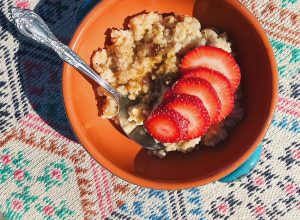
Mexican oatmeal with strawberries

Breakfast: Old Fashioned Mexican Oatmeal* (90cals) and Mango Banana Smoothie* (180 cals) – Check off 1 serving of fruit!

Lunch: Shrimp and Veggie Taquitos (230cals) with Pico de Gallo Salsa (1/2 recipe: 55cals) – Check off 2 servings of veggies!

Dinner: Poblano Chicken Soup (140 cals)  Arroz Verde* (150 cals) – Check off 2 servings of veggies!

Snack: Add your two fruits and check them off! 

¡Eso! You just checked 4 servings of veggies and 3 fruits for the day! (Total calories for the day: 845.

*Recipes only available on the De Las Mías app. Download it today! Available on Google Play and App Store

Note: For these three days, we are just counting veggies and fruits, but notice you are eating whole grains and lean protein too! ¡Eso! You are well on your way to becoming a Healthy Habits Super Mujer!

And we kept the calorie count low on purpose to encourage you to add some healthy snacks, such as your 2 frutas al día, a handful of almonds with a crispy apple, some hummus and veggies, a quick licuado or gazpacho in the afternoon slump.

Healthy Habits Recap

So just to recap: Here you have 3 full days of healthy eating that honors your culture and your buena salud! Get into the habit of eating your 3 veggies and 2 fruits a day and get into the habit of using the Healthy Habit Checklist. And soon you will be a Healthy Habit Super Star! 

This is the way you create a habit:

  1.     Find something you like, for example, our delicious ways to eat more fruits and veggies.
  2.     Do it. Do it again. And repeat until it sticks.
  3.     Use the Healthy Habit Checklist to see how you’re doing and to nudge you to keep doing it! (Self-monitor!)
  4.     Enjoy those ¡Esos! And share them!
  5.     When you get through to the other side of Tres Días of De Las Mías, get yourself a reward! Flowers! A romp through Instagram or Pinterest! A new nail polish. You get the picture.
  6.     Encourage your amigas, comadres, hermanas and even your vatos to join you in your healthy habit quest!

See our 9 Steps Healthy Eating Plan for more ideas on how to embark on a healthier life.

¡Unidas for a Healthy Life!


Healthy Body, Healthy Comadres, Healthy Family, Latina Community

How to Manage Stress to Prevent Emotional Distress


How is stress affecting your life? Chances are, if you’re reading this blog, you’re concerned about how stress is affecting your life. Long term stress is not good for us, nor for our families and loved ones.  

We recently posted a blog on Cortisol and Toxic Stress and how this hormone, now called the stress hormone, can affect your weight and even your relationship with food. (Cravings, anyone?)

So although we started our conversation about stress, I want to go back  to it, to continue to shine some light on it. In this article, we take  take a deeper dive into how stress can turn into distress, and how we might challenge ourselves to “cambiar el chip,” and take better care of ourselves.

What is Stress? A simple definition of stress is that it is our body’s reaction to change. All of us have stress; it is a universal human condition. But what about when stress turns into distress? And what about when being in distress is your new normal?  Do you feel irritable and tense a lot of the time? Do you have trouble sleeping at night or do you feel like you sleep too much? Do you feel like you are in a constant state of “nervous?” Does this sound like you? You might be experiencing what psychologists call “emotional distress.”   

In their excellent book on change, Changing for Good, A Revolutionary Program for Overcoming Bad Habits and Moving Your Life Positively Forward, Prochaska and his colleagues, Drs. Norcross and DiClemente, talk about emotional distress as the “fever of mental health,” and when I read it being described in that manner, it made perfect sense to me.  

I remember my tías talking about their friends or relatives who were going through hard times…“Pobre, Gloria, she has suffered so much.” They would worry that Tía Gloria could get sick from suffering so much. Often, you would hear them say things like, “Le puede hacer daño al corazón.” (Fear that her suffering could harm her heart.)  And those of us in the younger generation would roll our eyes, at what we perceived to be an Old Mexican Wives’ Tales. But now research is telling us exactly what our elders told us, and that is that long-term stress, AKA suffering, can make us physically and/or mentally sick.

Latinas are used to aguantar, putting up with unpleasant life events just to keep on keeping on. We are experts at putting a positive spin on things. Often, we are the rock of the family and rocks are strong and sometimes indestructible. But as resilient as we are, it is important to open our eyes and take a good look at what is really going on so we can manage our stress and prevent it from becoming distress. Call it long term stress, toxic stress, distress or sufrimeiento. Whatever you call it, this kind of emotional turmoil can lead to more serious problems such as anxiety and depression.  

We come from a culture that denies a lot of things when things go wrong. We pretend that everything is okay when it’s not. Nos hacemos de la vista gorda. (Vista gorda doesn’t mean your vision is fat. It’s a colorful expression that means to “to turn a blind eye.”)

We go into denial. And sometimes, Comadres, we need a little garden variety denial to get us through the day. But today, I just want to nudge you a little bit to get you to pay attention to your stress levels.

When stress turns into distress, it’s bound to wear you out and wear you down. When this happens, we cope in the best ways we can, but it’s not always pretty, nor healthy.  

I don’t know about you, but when I get stressed to my limit, I want cake. (Preferably chocolate cake. There is a great bakery in Santa Fe – The Chocolate Maven – and when I get stressed, my car knows the way. When I’m in Portland, I ride my bike to the bakery and that always feels more righteous.) And look, who can deny that once-in-a-while, cuando ya no aguantas, indulging in a piece of cake, ain’t going to kill you.  

But the important point here is that cake is a mean mother. She can turn on you if you don’t watch it. One minute she’s telling you, “There, there,” and the next, she’s telling you “You’re a bad girl and deserve to be punished.”

Eating cake to manage distress is not “sustainable.” Over time, eating cake, or taking a few extra shots of tequila, mezcal or even a few more of those femmy margaritas, to cope with stress, is going to make you feel worse.

I tell you this because I know.

So, in keeping with the topic of self-acceptance, I want to gently remind you that the first step in managing your stress in a healthy way is to accept what it is. Shine a little light on it and accept it without judgement. Accept that sometimes when you are in distress, you may do things that are just plain unhealthy. Take your next step from a place of self-acceptance, without judgement and move on.

“Paso por paso,” is one of our favorite dichos at De Las Mías, and it works very well with managing your stress.

So, in the spirit of shining a gentle light on distress, see if you can’t come to terms with what is really going on. We want you awake and aware so you can take better care.

Moving forward, recognize the tell-tale signs of stress from the National Institute of Mental Health:

  • Trouble sleeping
  • Drinking more alcohol
  • Overeating
  • Feeling moody or cranky
  • Having low energy
  • Feeling down in the dumps


Use these tell-tale signs of stress to take extra care of yourself. Here are 9 things that mental health experts recommend for taking better care of yourself in times of stress:

  1. Get regular exercise. A simple 30-minute walk will do wonders. It can lift your spirits and often change your mood.  
  2. Eat well. When you are in a state of emotional distress, the last thing you need is a crazy diet. Nurture your body with good healthy food and cut back on sugars and junk food. (Start using our Healthy Lifestyle Checklist available on our App!)
  3. Have fun. This seems obvious, but you would be surprised how many of us just stop having fun when we’re stressed out. Make a list of all the things you do for fun and do as much as you can to cheer yourself up.
  4. Practice deep relaxation and/or meditation. Be mindful of the tension you hold in your body and letigo.
  5. Protect yourself from people who criticize you or put you down. It’s okay to avoid mean people. You know who they are.
  6. Don’t believe everything you think. When we’re beyond stressed, distress can impair your thinking. Distress es muy mentiroso…it can make you think things that are just not true. Be especially aware of self-put downs or mean things you tell yourself. Don’t believe it.
  7. Drink water. As you drink it, become aware that you are doing a loving thing for yourself.
  8. Ask for support. Reach out to your friends, comadres and sisters and share your feelings.
  9. Reward yourself when you do any of these 9 things. And then reward yourself for rewarding yourself. ¡Eso!


Sometimes, long-term stress turns into emotional distress.

Signs of Emotional Distress

When long-term stress turns into emotional distress, we need to watch for signs of depression.  

Recognize the signs of depression: If you have 2-3 of these signs over a period of 2 weeks or more, it’s time to get some help.  Talk to your doctor, clergy or mental health counselor if you experience 2-3 of these signs for more than two weeks.

  • Feeling sad
  • Trouble sleeping
  • Sleeping too much
  • Feeling like nothing is fun or enjoyable
  • Feeling low energy
  • Not feeling hungry
  • Overeating
  • Trouble concentrating
  • Feeling hopeless
  • Feeling like life is not worth living

Emotional stress can sometimes turn into anxiety.  

Recognize the signs of anxiety. Here are some signs of anxiety that you can watch for.  Talk to your doctor, clergy or mental health counselor if you experience 2-3 of these signs for more than two weeks.

  • Constant or on-going worrying
  • Feeling like you can’t relax
  • Feeling irritable, moody, jumpy, or nerviosa
  • Trouble sleeping
  • Fears: like fear of the dark, fear of being alone, fear of crowds
  • Heart symptoms like fast heartbeat, chest pains, tightness of chest

If you ever feel like you want to hurt yourself or have suicidal thoughts, please call this number: Call 1-800-273-8255. National Suicide Prevention Lifeline. Available 24 hours every day.

Spanish: 1-888-628-9454


Sources:

Prochaska, Norcross, and DiClemente. Changing for Good, A Revolutionary Program for Overcoming Bad Habits and Moving Your Life Positively Forward.  Quill – HarperCollins. 2002.

The National Institute of Mental Health: http://www.nimh.nih.gov. 5 Things You Should Know About Stress. Retrieved 2/10/2019.

Kroenke, K., Spitzer, R., & Williams, J. (2001). The PHQ-9 validity of a brief depression severity measure. J GEN INTERN MED, 16, 606-613.

Maier, et. al. The Hamilton Anxiety Scale: reliability, validity and sensitivity to change in anxiety and depressive disorders. Journal of Affective Disorders. Volume 14, Issue 1, January–February 1988, Pages 61-68


Healthy Body, Healthy Family

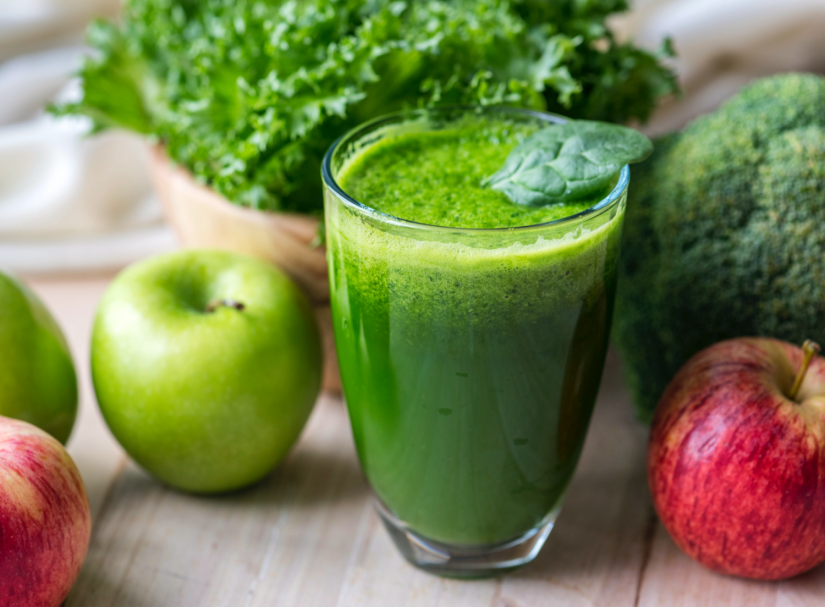
Jugo Verde: Mexican Green Juice


My sister and I recently went to the City of Oaxaca, and it is always affirming for me to go to Mexico, but Oaxaca is just pure magic. Everything is so beautiful there — the textiles, the architecture, the pride of place, the colors, and of course, the food. We ate magnificently well there, from the 4 star Casa Oaxaca to the unpretentious La Florecita at El Mercado de la Merced. (Have you had squash blossom quesadillas? Amazing!)

We took a fabulous cooking class from La Maestra Reyna Mendoza in Teotitlan Del Valle. We learned how to make Mole Rojo in a beautiful outdoor kitchen. We grinded the chiles and spices on a metate! And then we got to eat everything!  

Everything we did was fantastic — one of the best vacations I have ever taken.  Being with my sister is such a joyful experience! I feel so blessed to be able play and work with her. It’s so much fun to eat with her because she can tell you what’s in the food while you’re eating it, just by taste. Let us not forget that she is La Madrina en La Cocina! She has developed and tested each and every one of our recipes! With the help of the fabulous Malena Perdomo, a certified nutritionist and diabetes educator, we bring you the healthiest food that our test kitchens have to offer.  

This edición is about making small but important healthy changes. We’re with you on your journey to a healthier life. We all know that eating more veggies and fruit are the cornerstone of healthy eating. We are constantly adding more delicious ways to add more plant-based foods to our day.

At De Las Mías, we recommend 3 cups of veggies and 2 fruits every day but the new USDA Dietary Guidelines are recommending that we go above and beyond.  There is no harm in eating more vegetables!

But how do we do that? One way to add more healthy fruits and veggies to your day is to add them to breakfast. Add a bell pepper and some spinach to your huevos, and some berries to your avena! OR….Have yourself a Jugo Verde!


On our last day in Oaxaca, as we were walking down Hidalgo Street, I was snagged by a beautiful display of bicicletas, in all colors, adorned with handmade wooden baskets at the lovely hotel, Casa de la Sierra Azul. We walked into the courtyard and heard the angels sing! We couldn’t resist the inviting patio restaurant and promptly sat down to peruse the menu and order breakfast.

The Jugo Verde caught my eye and I ordered it. It was the most refreshing and delicious juice I had ever tasted. Lori and I were trying to figure out what it had in it. It was psychedelic green! Not the green goop that you sometimes get from Odwalla in the States, but the most beautiful, vibrant green I’ve ever seen!

We knew it had spinach in it, and I could taste the pineapple but we couldn’t figure out the rest. We asked the waiter and he said it had fresh nopales and yerba santa.  

We struck up a conversation with the waiter and we told him about De Las Mías. He went on to tell us all about the magical properties of Jugo Verde, a time-honored Mexican tradition that promises to bring you good health, happiness, and beautiful skin.  

We vowed to get back to the states, do some additional research and start testing out some Jugos Verdes of our own.

We haven’t tried Jugo Verde with nopales, yet, and yerba santa is not that easy to find in Portland or Santa Fe, but here are 3 Jugos Verdes that I have been indulging in and I feel better already!

Starting off my day with a refreshing Jugo Verde just feels right! It sets the intention for your day, como dicen las del New Age. To feel more grounded I follow it with a strong cup of coffee and avocado toast. Add a handful of almonds for protein, ¡y párale de contar! You’re set!

Jugo Verde is a great way to include veggies and fruits with breakfast. These jugos are simple, don’t require any special equipment except a run-of-the-mill blender, and are packed with at least 2 servings of veggies and one serving of fruit! And that is just to get you going in the morning!  

I also find that Jugo Verde is very energizing for the mid-afternoon slump when all I want to do is plop down to watch depressing news! So slam down some Jugo Verde, put on your tenis, and take your dog for a walk instead! SOOO much better for you than more screen time!

Try these Mexican green juices!


La Diosa Verde.

This one is my favorite. I feel righteous and strong after this one!

  • A handful of fresh spinach
  • 4 2-inch chunks of fresh pineapple
  • ½ a peeled cucumber
  • ½ a peeled apple
  • 1 cup of water
  • One or two squeezes of fresh lime
  • 1 teaspoon jalapeño juice
  • Ice cubes if you like ice in your jugo

Blend it on high until it turns into juice.  (Optional: Since I like sweet, I even add a ½ teaspoon of Stevia, but that’s just me.)


Amor al Kiwi.

If you like kiwi, you will love this Jugo Verde.

  • One peeled and ripe kiwi
  • A handful of spinach
  • 1 teaspoon of fresh ginger
  • 1 stalk of celery
  • 1 cup of water
  • Ice cubes if you like ice in your jugo

Blend it until it turns into juice. (You can sprinkle Tajín on top for added punch!)


Sana Sana, Jugo de Manzana.

I choose a super sweet apple for this one.  Have you tried Opal Apples? They are so sweet and delicious. Pink Lady is another sweetheart.

  • 1 cored and peeled apple
  • 2 stalks of celery
  • 1 cup of water
  • A handful of spinach
  • Ice cubes if you like ice in your jugo.

¡Andale!  


A few notes on making Jugos Verdes in the blender: Basically, you can blend anything you like in your blender, so go nuts. You’ll need veggies, fruits and water for jugos. More on licuados and smoothies here. I sometimes add a bit of unsweetened juice, although water is really best. I also add a dash of salt, pepper, lime juice, lemon juice, jalapeño juice, or Tajín. You could even blend up a serrano in there if you dare! Just do what tastes good to you and makes you feel like the Righteous Green Goddess that you are!

I have recommended this little book to you before and I will do it here again: The Blender Girl by Tess Masters. I like her non-pretentious approach to eating more vegan meals and we could all stand to eat less meat and more veggies, fruits and plants of all kinds. Your body and Mother Earth will thank you.

Try these and let me know what you think! Keep it simple and delicious! Do you have a favorite Jugo Verde? Share your favorite with us and we’ll choose a few to feature on our Instagram feed!


Healthy Body, Healthy Family, Healthy Mexican Food, Latina Community

Meatless Monday

Meatless Monday – A Fun Way to Start Eating More Veggies

One of my healthy living goals for the new year is to cut down on meat, and eat more more fruits and vegetables.  

A fun way to do this is to start a Meatless Monday tradition. So we agreed that we could try new recipes, and start the week off with a slightly healthier approach. Also, in these times of climate change, I am constantly worried about our poor little planet! Eating less meat is good for our bodies and good for the planet – a win-win!  

I was remembering my life in Nogales and how we had Meatless Mondays at my Nana’s house “across the line,” on the Mexican side of border. And then I realized that it wasn’t just Meatless Monday, but also Meatless Tuesday and Meatless Wednesday. And then, wait! Hold on. We pretty much went meatless every day except for maybe Carne Asada Sunday!  

The reason wasn’t that we were trying to save the planet, or lower our cholesterol. The reason was that my Nana and my aunts and uncles who lived in that old adobe house on the hill, didn’t have the money to buy meat for a giant family.

We ate frijoles de la olla, frijoles refritos, sopa de frijoles, enfrijoladas, burritos de frijoles, frijoles con chorizo, tostadas with you guessed it, frijoles, and even a special trick I learned: Cave out a bolillo roll and fill it with frijoles and queso fresco! YUM! This all paired really well with my Nana’s killer salsa de chile verde. And ¿sabes qué? I never once felt deprived. I felt loved and satisfied and nurtured.

When we were on the Mexican side of the border, we were poor and we had a super healthy diet. We never ate large portions because there weren’t that many portions to go around. But we never went hungry either, so we were lucky.

You’ve heard it here before and we will say it again: the traditional Mexican diet is a SUPER healthy diet! Our Mexican diet was pretty much dominated by protein from beans, eggs and queso fresco, and bolstered by corn, which is the grain of the gods. (No fooling.) Sure, we ate meat with our meals, but they weren’t dominated by large portions of it. If we had meat, it was in very moderate to small amounts, and mostly for taste.

But here we are now, trying to adopt a healthier way of living. And all we Mexicans have to do is look back to the way of our Nanas and Tatas!

In doing research about Meatless Mondays, I found out that Meatless Monday started as a movement by our colegas at the Public Health School at Johns Hopkins University, back in 2003. Through research, they discovered that Monday was the ideal day to try to recover from the overindulgence of weekends. (Overeating, disrupted sleep patterns and possibly even drinking too much.)  

Some of this research showed that people were motivated by making a small but significant change at the start of the work week. That is where the idea of Meatless Monday came from. As more and more people adopted the idea of not eating meat on Mondays, they became healthier, poco a poco, over time. Here is more evidence that small changes over time are the ones that last. It wasn’t a drastic thing, but just one day a week. The idea is that we could become just a little healthier if we took this small step. We would become healthier and the planet would benefit too.  


So Meatless Monday took off and other countries and organizations started getting on board. Australia tried it. Paul McCartney promoted it. Even beef-consuming Argentina got into the act in 2017 by declaring Vegan Mondays!

If you want to learn more about the history of Meatless Mondays, see the Wikipedia article. It has a fascinating amount of information that will surely inspire you to try it!

So at De Las Mías we want to encourage you to give Meatless Monday a try. Here’s another way to eat more veggies and fruits for your health and help Mother Earth carry the load.

Here are some of the benefits of Meatless Mondays:

  • Lower your cholesterol and therefore, your risk of heart attack and stroke.
  • Help you get to a healthier weight.
  • Help lower your risk of high blood pressure.
  • Increase your intake of fiber and its health benefits.
  • Take a little stress off the planet (plant-based foods take less energy).
  • Use less water to grow food (plant-based foods take less water than animal-based food).
  • Plant-based foods pollute less than cows.  

Try some meatless dishes from De Las Mías:

And we’re curious…

  • What’s your favorite meatless dish?  
  • How would your family feel about starting a Meatless Monday tradition at your house? Would they be on board?
  • What is the biggest barrier to going meatless on Mondays?

Sources:

https://en.wikipedia.org/wiki/Meatless_Monday

https://www.economist.com/the-economist-explains/2017/10/19/argentinas-vegan-mondays

Healthy Comadres, Healthy Family

Healthy Eating Wisdom: Eat Like Your Abuelos


Looking for Healthy Eating Wisdom?  Your Abuelos Might Have the Answer

Have you noticed how many diseases are related to what we eat? High blood pressure, heart disease, diabetes, cancer. And if you’re trying to come up with a healthy eating plan, it is very confusing. Eat this. Dont eat that. Every time you turn around, there is another diet that you have to follow.  It’s enough to make us un poco loca.
But lucky for us, there’s some encouraging news. Researchers are finding out some things that many of us already know. Our grandparents and great-grandparents had a healthier lifestyle than we do, and that’s a fact.

Healthy Eating Wisdom from My Grandfather

Take my Papa Pepe for instance, my dad’s father, who immigrated from Spain. Wiry little dude walked everywhere! If he weighed 135 pounds, he weighed too much. Swore that the onion he chomped on and the copious amount of garlic that my abuela cooked with kept him young and nimble even when the arthritis caught up with him in his 70s. We have an old cane of his that has a black mark on the inside of the curve of the cane, and that was from jumping on the bus. He used to run up to the bus and hook his cane around the door handle and hoist himself up the bus steps without missing a beat.

Three Meals a Day

I remember he bragged about his eating habits. “I eat breakfast, I eat lunch, I eat dinner. ¡Y, Ya!

The big meal in those days, and still today in Spain and Latin America, was lunch. And that was paired up with a nice nap. La hora de la comida, which is what we called it at home, started with soup, then a second dish mostly consisting of a small portion chicken, fish or meat and veggies. Dessert was usually a cup of flan or fruit, or even 2-3 galletitas, usually Marías. Small portions but with a lot of variety.

The soups were basic and traditional like cocido, which is made up of lots of veggies and very little meat. This was my Papa Pepe’s favorite. But there were also the caldillos. Ours were usually made with chopped fresh tomato, garlic, onion and green chile with small bits of lean beef and cubed potatoes. Meat was expensive then, so the meat portions were always small. A chuleta (pork chop) was thin cut and no bigger than the palm of your hand. The side dishes were veggies such as calabacitas, green beans, or a cucumber salad. ¡Un pan! (One piece of bread)

Dinner was lighter than lunch. Some leftovers from lunch perhaps, or a lentil stew with carrots and onions, or even a simple bowl of frijoles de la olla. Sometimes we had chorizo con papas, scrambled up with some eggs. This was a bit heavier, but again, the portions were small, so we could enjoy it without excess. ¡Chiquito pero sabroso! (Small but tasty. )

You can eat a great variety of foods when you eat small portions. “¡Es provete, no traguete!” is one of my favorite dichos related to eating. (It translates to: it’s a taste, not a gorge.) So even a traditional chorizo, which has more fat than a regular cut of lean meat, in small amounts, is delicious. Todo en moderación. (Everything in moderation.)

Papá Pepe was anti-chuchulucos. Now there’s a word for your dictionary! CHUCHULUCOS. (Mostly refers to the sweet stuff, like candy, churros, pies, pan dulce, cakes, etc.) He never touched the stuff.  

So my abuelo ate three meals with no snacks in between; never ate sugar, except maybe in his café con leche, walked everywhere he could, and worked from sun up to sun down. Lived to be 90.

But life has changed. Now we supersize our meals. We use food as a stress management tool and snack for entertainment purposes. The crunchier, the fattier, the more addicting, the more we like it. We sit in our cars, sit in front of our desks, plop down in front of some kind of screen for hours every day and weigh much more than our grandparents did.

One of the most interesting lectures I ever attended as a health educator was years ago from Dr. David Hayes Bautista, a Professor of Medicine and Director of the Center for the Study of Latino Health and Culture at the School of Medicine at UCLA. 

He cautioned that “Assimilation could be hazardous to our health,” and it was all about how Mexican immigrants were healthier when they got here than when they had lived here for a few years. Current research from UCLA also shows that as Mexican immigrants spend more time in this country, their health physical and mental health deteriorates.

The basic traditional Mexican diet consists of corn tortillas, beans, fresh vegetables like tomato, avocado, chiles and onions, and some fruit. Traditional Mexican life included walking as a means of transportation and working hard.  

Once we gave up walking as a mode of transportation, changed our traditional lifestyles from working on farms and ranches or even subsistent farming like growing our own food and tending to our orchards, gardens and chickens, we also started eating larger portions and more processed foods with lots more fat, sodium and sugar.

Modern North American life has not been kind to our health. Along with eating more processed and fast foods, came the convenience and affordability of cars. These changes make our lives easier but also carry unintended consequences. (Para cada solución hay un problema.)

We eat more poorly and are less active than our grandparents, and our poor bodies just started slowing down and wearing out.

It’s not rocket science, Comadres. But there you have it.

There’s an old dicho that you might have heard: “Lo que no mata engorda.” The equivalent of – “If it  doesn’t kill you, it will make you fatter.” Now, a more appropriate dicho for our times  may be, “Lo que te engorda, te puede matar,” – “That which makes you fat may kill you.”

Unfortunately, I speak from experience. I just found out that I have prediabetes again. I had been diagnosed with prediabetes many years ago and that is when I started biking every day and cutting back on carbs and fat. I lost the magical 5%-7% of my body weight, and the prediabetes went away. It worked for me for over 10 years.

Recently, I gained some weight, and sure enough, I am back in the prediabetes range. Now let me tell you that I haven’t changed my mind about having diabetes. I do not want diabetes, and I am going to do what I can to prevent or delay it.  

So, I am going to channel Papá Pepe and start going back to a more traditional way of eating. I’m cutting back on portion sizes and do more walking.  

I always thought that I did plenty of exercise. I ride my bike every day, come rain or shine, but I also confess that I’ve been riding to a French Café. So, I’m bailing on the croissant and switching to whole grain toast.

When my Viejo takes our giant dog for a walk in the morning, I’m getting up and going with them even if it means going in my PJ’s. (I’m in Portland right now and people shop in their pajamas here, so I’m cool.)

I’m using our De Las Mías Healthy Lifestyle Checklist and calling my Comadre, best friend and sister, test kitchen chef, extra-ordinaire, and Silver Sneaker maniac to report in.   

No more CHUCHULUCOS for me and that means, not eating those sour ginger candies I get at the corner store! BUMMER! Okay, well maybe just a few on the week end! ¡Poquitos porque son benditos!

I’m going to practice what I preach and let you know how it goes. In 6 months, if I lose 5%-7% of my weight, I should be under the Pre-diabetes range again.  

For now, I’m going to take it easy, be kind to myself, love my body, treat it well, and make it last.

I’m signing off now to take my bici to Petite Provence, to eat my whole grain toast with an egg for protein and to enjoy the fall colors.

¡Hasta la vista!


Sources:

Gordon, Dan. Life in America: Hazardous to immigrants’ health? December 01, 2014 

Pérez-Escamilla. Acculturation, nutrition, and health disparities in Latinos. American Journal of Clinical Nutrition. 2011;93(suppl):1163S–7S. 2011 American Society for Nutrition


Healthy Body, Healthy Comadres, Healthy Family, Latina Community

Latinas, Cancer and Healthy Lifestyles

Latinas, Cancer and Healthy Lifestyles: What Every Latina Needs to Know

Lately, we’ve been talking about what researchers call the Latino Health Paradox. The mystery of Latino longevity that shows that, a pesar de todo, in spite of all the odds, such as low education, low income, and low access to health care, Latinos still live longer than anyone else in the U.S., and Latinas live longer than anyone else!

That is good news, Comadres!

But even though we live longer than most people in the U.S., we are not protected from obesity, heart disease, diabetes and some cancers. We hear a lot about diabetes in our community, but not that much about cancer, and cancer is a doozy.

Latinas and Cancer is a complex topic, but it’s one we think is important for you and your comunidad to understand. (Hint: Prevention and early detection!)

Latinas and Cancer

According to the American Cancer Society 2018-2020 report, Latinos and Latinas are less likely to be diagnosed with cancer than non-Latino whites overall, but cancer is the leading cause of death among Latinos. (Go figure!)

There are several reasons for this confusing fact. One reason may be that incidence of cancer is just lower among Latinos, which would be very good news, indeed. But another reason might be that Latinos get diagnosed in later stages of cancer when it is too late to cure it. And that is tragic news, Comadres, because many cancers are curable if we catch them early enough.

Another blow to the cancer dilemma among Latinos is that many of us don’t have access to health care. Some simply don’t have the resources to treat cancer when it happens. Many states have cancer early detection programs that are often free or low cost. In some states, there may even be low cost treatment options, but being low income and not having health care is still a huge challenge and one that we need to address. (a discussion for another day).

We have prepared an overview on Latinas and Cancer.   Here are some Healthy Lifestyle steps to take to protect yourself.

Breast Cancer

Breast cancer is lower among Latinas than non-Latinas in the U.S., but breast cancer is still the leading cause of death among Latinas.  

The reason why: breast cancer in Latinas is often found in the advanced stages when it is harder to cure. Latinas don’t get mammograms at the same rate as non-Latina whites. Some of our comadres can’t afford it, but some of them just don’t get mammograms. They’re busy or they’re embarrassed or they just don’t want to deal with it, but they don’t go and that does not end well.

Early detection of breast cancer saves lives.

What to do:

  • If you are 40 to 44, the American Cancer Society recommends that you start talking to your doctor about mammograms.
  • If you are between the ages of 45 and 54, the American Cancer Society recommends a yearly mammogram.
  • If you are over the age of 55, the American Cancer Society recommends a mammogram every two years.
  • All women need to learn how to do self examine our breasts. Your health care provider can teach you how. Just ask!
  • If you don’t have insurance, there are breast cancer early detection programs in all states that can help you. Some programs may even have free or low cost treatment options.
  • If you care about your comadres, moms, sisters, friends and madrinas, share this information with them. Offer to go with them to their mammograms. Go get coffee and dessert afterwards!

Colorectal Cancer

Although colorectal cancer among Latinos is lower than among Non-Latino Whites, colorectal cancer is the second most commonly diagnosed cancer among Latinas and Latinos. Colorectal cancer is the 3rd leading cause of cancer deaths among Latinos.

Colorectal cancer is a very treatable cancer, if caught early.

Latinos and Latinas are squeamish when it comes to colorectal cancer screening. (¡Nos da asco!) Latinos undergo colorectal screening less than any other group.  And the result of not getting screened is a tragedy that does not have to happen.

What to do:

  • The only way to catch colorectal cancer early is to make yourself go through the yukky tests! There are several tests that are commonly used to find colorectal cancer. None of them are fun or pleasant and many of us are just too embarrassed or grossed out to do them.  
  • There are 2 stool tests that are commonly used. They detect blood in the stool.  You may know them as the FIT, which stands for fecal immunochemical test, or the FOBT, which stands for fecal occult blood test. (Basically it involves putting some poop on a card and sending it in for analysis. So, yes, fuchi, but effective, and it could save your life.)
  • The other common test is the colonoscopy, which involves a tripa up your rear end.  That’s where the colon is. This falls into the category of ¡Ni modo! Grin and bear it. They give you a sedative to make you more comfortable and to help you forget it ever happened. Some people don’t feel a thing. ¿What do you say we just get over the vergüenza and do the test, Comadres?  
  • Talk to your doctor about which colorectal cancer screening test is best for you, and preserve your long life!

Cervical Cancer

According to the American Cancer Society, the cervical cancer rate among Latinas is 40% higher than among non-Latina white women. Although cervical cancer rates have gone down over the last few years, it is still too high for us, Comadres!

Cervical cancer is caused by certain kinds of viruses, called HPVs (the human papillomavirus). Sometimes the virus goes away on its own. But over time if HPV doesn’t go away, it can cause cervical cancer.

What to do:

  • The main way to prevent HPV is to get the HPV vaccine. The CDC recommends that all children, boys and girls, get the vaccine between the ages of 13-17 so they can be protected for the rest of their lives.
  • Recently, the HPV vaccine was approved by the Food and Drug Administration for people up to the age of 45. Check with your doctor and find out if  you can get vaccinated.
  • If you have HPV, the way to catch it before it becomes cancer is to have cervical cancer screening. It starts with a pap test and you may need an HPV test as well.  
  • Smoking puts us at risk of persistent HPV infections and cervical cancers. So if you don’t smoke, don’t start. If you smoke, quit.

Stomach Cancer

Stomach cancer is higher among Latinas than non-Latina white women. Scientists don’t have a full understanding of stomach cancer yet, but they have linked some stomach cancers to exposure to bacterial infections of the stomach.  Some of these infections can be found and treated. More studies are needed to learn more about why Latinos and Latinas are at higher risk of stomach cancers.

What to do:

  • If you have had stomach bacterial infections, talk to your doctor about what you can do to protect yourself from stomach cancer.
  • If you smoke, quit. If you don’t smoke, don’t start. (Seeing a theme here?)
  • Cut down on drinking alcohol. It is recommended that women drink only one alcoholic drink a day.
  • Avoid foods that are preserved with salt and limit your intake of smoked or charred foods.
  • Cut down on processed meats, like bologna, chorizo, and ham
  • Eat plenty of fruits and non-starchy vegetables like onions, garlic and leeks. There are studies that show these  kinds of fruits and veggies can protect against stomach cancer.
  • Follow good hygiene practices such as washing your hands after you go to the bathroom, washing fruits and veggies before you eat them, and being careful with how you store your food

Gallbladder Cancer

Gallbladder cancer is higher among Latinas than among non-Latina whites. It is also higher among Latinas than in Latinos. More research is needed on gallbladder cancer and why it is so high among Latinas.

Possible connections are being overweight, being on hormone replacement therapy, and/or if you have had gallstones.

What to do:

  • Cut back on your risk for gallbladder cancer by getting to a healthier weight.  
  • If you are overweight, start eating a healthier diet and get more active.
  • Join De Las Mías and follow our healthy living plan!
  • If you are on hormone replacement therapy, talk to your doctor about this risk.

Latinas, Cancer and Healthy Lifestyles 

We wanted to give you a snapshot of Latinas and cancer, so you can start thinking about it and take action! There’s good news about Latinas and Cancer and it has to do with Healthy Lifestyle.  

Here’s the Good News:

  • The American Cancer Society states that 42% of all cancer cases can be prevented, mainly by not smoking, eating healthfully and being physically active.
  • Other cancers like breast, colon, and cervical cancer can be cured if you catch them early enough.
  • Review this article with your familias. Take these specific steps and protect yourself and your hijas, comadres, tías, moms, and madrinas.
  • If you are lucky enough to be able to sign up for health insurance, do it now. ¡Vale la pena!

For a deeper dive into Latinos and cancer, read the American Cancer Society report: Cancer and Facts & Figures.

The take-away, Comadres, is this: All roads lead to following a healthy lifestyle program like De Las Mías.  

Take back your power and hold on to the Latina Health Paradox! Get your cancer screenings and live to tell the tale! Take charge of your health and your life. You’re driving, Comadre!

Let us know one thing you are doing today to change the cancer story for Latinas!

〰️

Check out the De Las Mias app. It’s free and ready for download in the Google Play Store. Follow us on Facebook and Instagram @delasmiaslife.


————

Sources:

American Cancer Society. Cancer Facts and Figures for Hispanics/Latinos. 2018-2020. Atlanta, American Cancer Society, Inc. 2018.

https://www.cancer.org/content/dam/cancer-org/research/cancer-facts-and-statistics/cancer-facts-and-figures-for-hispanics-and-latinos/cancer-facts-and-figures-for-hispanics-and-latinos-2018-2020.pdf

https://www.fredhutch.org/en/events/cancer-in-our-communities/hispanic-americans-and-cancer.html

Healthy Body, Healthy Comadres, Healthy Family

The Mysterious Case of a Long Latino Life

The Mystery of the Long Lives of Latinos

¿Sabías que? Latinos live longer than other groups in the U.S. And Latinas live longer than almost anyone? (Yes, I am talking about you, Comadre!)

According to the Population Reference Bureau, a non-profit organization that specializes in demographics, Latinos outlive non-Latino whites by 3 years on average.  

Long Live Latinos!

In 2014, life expectancy at birth for the U.S. Hispanic population was 81.8 years, compared with 78.8 years for the U.S. non-Hispanic white population. If you are a Latina, you are expected to live to be over 83 years of age, compared to 81 years of age for a non-Hispanic white women.

¡Imagínate! In spite of Latinos having lower income and less education than other groups in this country, we still live longer! (Strong Stuff!)

It’s a Mystery

Scientists sometimes call this life expectancy mystery the “Latino Health Paradox.”

Here are some of the clues that researchers think may solve the mysterious case of Latino longevity:

One reason that scientists think Latinos may live longer is that we don’t smoke as much as our white and black brothers and sisters. Latinas tend to smoke less than other groups and we tend to quit earlier. Since lung cancer is the number one cause of cancer deaths in this country, and we’re not smoking as much as others, we’re not dying of lung cancer at the same rate. That’s good news!

What to do: If you don’t smoke, don’t start. If you smoke, quit.

Another reason that Latinos might live longer is that many of us are immigrants, and immigrants come into this country with better health, better eating habits and more physically active than the folks who already live here. It is only after we spend a lifetime in the States that we start losing our grip on our good health and longevity. 

What to do: ¡Eat like your Abuelos! Go back to your traditional foods. ¡Qué vivan los healthy tacos! Y ¡Qué viva la ‘Mediterranean diet!’ 

Follow the De Las Mías 9 Steps to Healthy Living. Use the De Las Mías app to get healthy and stay on track. Check out our healthy lifestyle checklist in the app! It works, but only if you use it!

A third reason why we might be so tough and resilient has to do with our familias and our comunidad. Dr. Ortega, a researcher at UCLA Center for Latino Health, tells us that our mental health takes a turn for the worse as we lose our family and community connections. This is especially true for our teenagers as they become more Americanized. Hanging on to our cultura, our values, our families and our community makes us stronger and can help our children be more resilient.

Through ongoing research, we are learning that there is a direct link between long-term stress and health. We now know that having social and family support is key to managing stress and that means better mental health, for ourselves and our children.


How to preserve our longevity: Hang on to your familias for dear life! Keep on nurturing your familias, vecinos, comadres y compadres as if your health depended on it, because apparently it does!


What scientists call the “Latino Health Paradox” is a wonderful mystery that we should embrace and promote in ourselves. Be proud of it, Comadres! We are a resilient, hardworking, healthy people and we need to make the most of this gift.  

Ask yourselves:

  • What can I do to keep this mystery alive and well in myself and my familia?
  • How can I preserve this gift that has been handed down to me by my ancestors?  

And give thanks for the Latino Health Paradox!

〰️

Check out the De Las Mias app. It’s free and ready for download in the Google Play Store.  Follow us on Facebook and Instagram @delasmiaslife.

————

Sources:

Scommegna, Paola. New Studies Link U.S. Hispanics’ Longer Life Expectancy to Migration Patterns, Less Smoking. PRB – Population Reference Bureau. September 2017. https://www.prb.org/hispanics-life-expectancy-migration-patterns/

Gordon, Dan. Life in America. Hazardous to Immigrants Health? UCLA Newsroom. 2014. http://newsroom.ucla.edu/stories/life-in-america-hazardous-to-immigrants-health