¡Hola, Comadres!, ¡Hola, Guapa!, ¡Hola, Madrina!, Spanish

Con la ayuda de nuestras comadres: parte 2

La semana pasada aprendimos que varios estudios han comprobado que los fuertes lazos que tenemos como latinas en nuestras familias, en nuestras amistades y nuestras comunidades nos protegen, y que nos pueden ayudar a lograr cambios saludables. Esta semana, quiero compartir una historia personal y una práctica que espero les parezca útil.

Con el apoyo de mi comadre

Miriam y yo nos hemos ayudado una a la otra a través de muchos cambios de vida   — incluyendo la muerte de su esposo, mi divorcio, sacar adelante a nuestras hijas, desarrollar nuestras carreras, la lucha de prevención contra la diabetes y hasta en el decorado de nuestros hogares. Pero lo mejor de todo ha sido ayudarnos una a la otra a vivir una vida sana y feliz. Cada año, alrededor del primer día del otoño, Miriam y yo nos juntamos y sostenemos la misma plática, con un proceso muy específico. Hacemos una lista sobre los 7 aspectos más importantes de nuestras vidas:   

  • Relaciones personales
  • Aspectos de salud y bienestar
  • Aspectos financieros
  • El ambiente donde vivimos
  • Carrera y trabajo
  • Expresión creativa
  • Cuidado de nuestra paz interior

Recorremos cada una de las 7 áreas de nuestra vida y nos turnamos para hablar sobre cada uno de los aspectos.  Esto lo hacemos sin interrupciones. Sólo escuchamos lo que cada una tiene que decir. No hacemos comentarios hasta el final de la plática. Respondemos a 4 preguntas básicas para cada uno de los 7 aspectos:

  1. ¿Qué ha resultado bien?
  2. ¿Qué no ha resultado tan bien?
  3. ¿Qué nos gustaría cambiar?
  4. ¿Qué tipo de apoyo o ayuda necesitamos una de la otra para lograr el cambio que queremos?

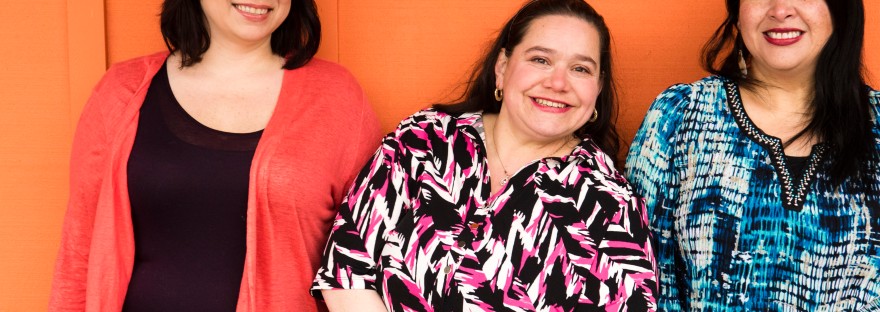
A través de los años, esta plática nos ha ayudado a lograr muchas metas. Hemos mejorado nuestras carreras, mejorado las relaciones con nuestras hijas, tomado mejores decisiones en nuestros negocios y hasta nos hemos convertido en mejores escritoras. Las dos hemos llegado a ser más sanas y felices. (Y no es por nada, pero las dos bajamos cerca de 25 libras de una manera saludable y sin mucho sufrir.) Nuestra plática de cada año es una de las cosas más valiosas y consistentes que hemos hecho con nuestras vidas y han enriquecido nuestra amistad. Ahora ya estamos en nuestros sesentas, y es justo decir que somos personas más satisfechas y felices como resultado de esta simple plática de todos los años. Miriam y yo confiamos una en la otra.  Nos tenemos tal confianza que a veces admitimos que no queremos hacer lo que tenemos que hacer, o bien, que no estamos listas para cambiar. Simplemente con admitir que estamos luchando nos ayuda a derribar barreras. A veces tenemos éxito y a veces no.  Pero siempre somos fieles en ayudarnos una a la otra sin juzgarnos. Sabemos que cada una de nosotras sólo quiere lo mejor para la otra. Tener una comadre, una amiga de apoyo, en nuestras vidas puede ser de gran ayuda para lograr cualquier meta e incluso para lograr una vida saludable y feliz.

¡Hola, Guapa!, Edición No. 2: Support, English, Healthy Comadres

With a Little Help from Our Comadres: Part Two

Last week we learned that researchers have validated that the strong bonds we have as Latinas in our traditional familias and friendships protect us—and can help us make healthy changes.

This week, I want to share a personal story and una práctica (a practice).

A Balanced Life with Help From Our Comadres

Miriam and I have helped each other through many life changes—including the death of her husband, my divorce, raising our daughters, becoming more prosperous, building our careers, decorating our homes, preventing and managing diabetes and, above all, living a healthy and happy life.


Each year, around the first day of Autumn, we get together and go through a plática process we started over 20 years ago. We make a list of the 7 most important areas of our lives and review our progress and make vows for changes for the following year.

  • Personal Relationships
  • Aspects of Health and Wellness
  • Aspects of Prosperity
  • Living Environment
  • Career and Work
  • Creative Expression
  • Care of the Soul

We go through each of the seven areas of our life and take turns speaking with no interruption or cross talk. We just listen to what each has to say and make no comment until the end.

We answer four basic questions for each of the seven areas:

  1. What went well?
  2. What didn’t go so well?
  3. What would we like to change?
  4. What kind of help do we need from each other?

Using this process has helped the two of us accomplish many things throughout the years. We have improved our careers, become wiser mothers, better partners, more creative writers and artists.

We have made more money and avoided making expensive interior decorating mistakes. We have both become healthier and happier and, oh yeah, we have both lost about 25 pounds each.

Continued Success with a Supportive Friend

Our annual conversation is one of the most valuable and consistent things I have done with my life and my comadre and supportive friend, Miriam, for 20 years. Our friendship has grown and deepened. We are in our 60s now, and it is fair to say that we are more fulfilled and happy as a result of this bond that is based on listening to each other, tracking each other and caring for each other’s happiness.

In the area of health and wellness, Miriam and I have made great progress. We have used this method for achieving a healthier, more balanced life.

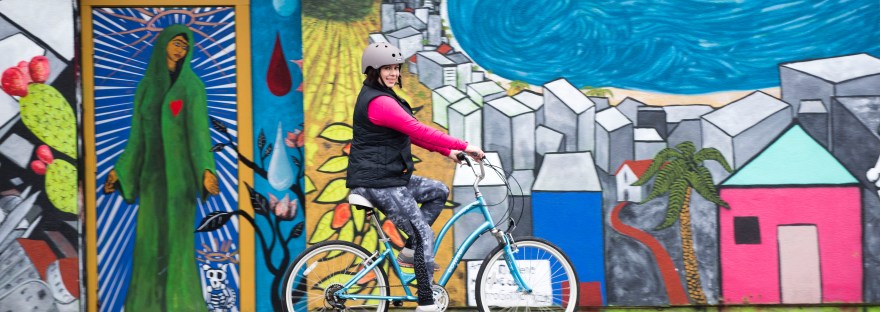
This year, I shared with Miriam that one aspect of health and wellness that went very well for me last year was biking. (I bike six miles a day!) She smiled without comment. Just seeing her face made me proud of myself.

When I shared aspects that didn’t go so well, I shared that my arms felt like mush. Again, no judgment from her. Just a nod that she was hearing me.

When I got to Question Three—what I would like to change—I told her that I needed to keep up my arm strength, that I wanted to be a strong old lady, one who can pick up her own suitcase and put it in the overhead compartment. She still looked at me wisely and smiled.

And when we got to Question Four, Mir asked, “How can I help?”

After thinking a bit, I said, “I guess I need some suggestions, since I really detest going to the gym to lift weights.”

That is when Miriam finally spoke to give me advice. She said, “First of all, you don’t have to go to the gym if you don’t like it.” She then suggested that I get some exercise bands and told me about a YouTube video she used when she started doing arm-strengthening exercises. Knowing me and my love of television, Miriam even suggested I keep some bands by the couch!
I vowed to try it twice this week just to see how it would go.

She gave me a high five and asked, “Do you want to check in with me next week, and let me know?”

I accepted her offer and told her that I could also just shoot her an email or a text.

I then did the same for her. Her goal was to increase her walking by five minutes a day, three times a week. We went through the same process and vowed to check in and help each other out.

Miriam and I trust each other—we have confianza. Sometimes we admit to each other that we don’t want to do what it takes, that we aren’t ready for change.

Just admitting that we are struggling helps break down the barriers. Sometimes we are successful and sometimes we aren’t, but we are always faithful about helping each other without judgment. We know that each of us only wants the best for the other. We both feel supported and cared for.

Having a comadre, a supportive friend, in your life can help you achieve a healthier, happier life. This plática process is a concrete way to get help from our comadres.

Learn more about how to be a supportive friend in part three.

¡Hola, Guapa!, Edición No. 2: Support, English, Healthy Comadres

With a Little Help from Our Comadres: Part One

Health researchers tell us what we already know, that the Latin American family has some built-in protective factors related to the closeness and support we get from our extended families. Although most of us Latinas already know that, it sure is nice to have it affirmed by scholars and health researchers.

We know from experience, the value of our familias, and we know that our fierce love protects us. Now researchers are recognizing these strong bonds as something positive and they call it “protective factors.”

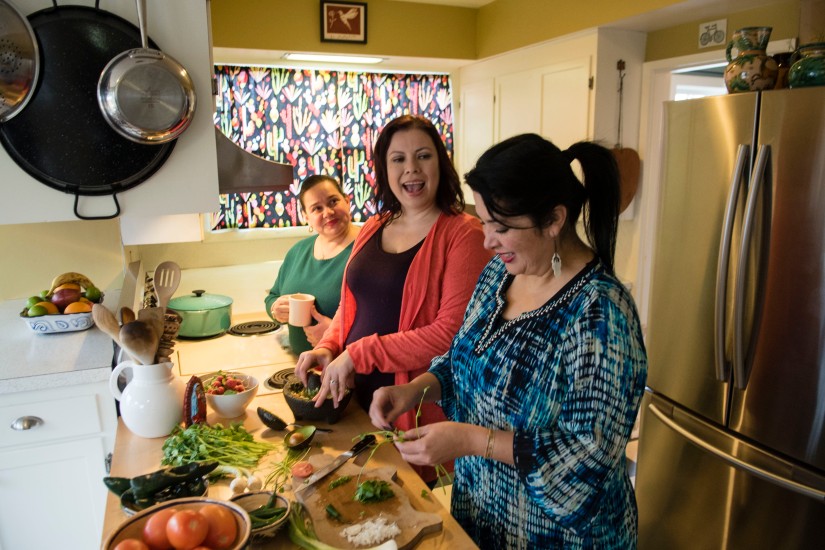
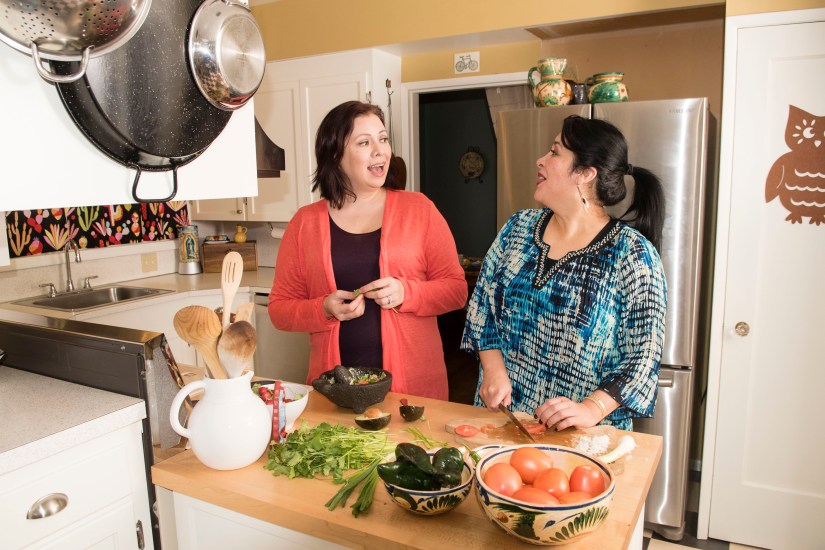
Women in kitchen 2

A Healthier Life with Help From Our Comadres

We don’t need fancy nouvelle cookbooks to tell us how delicious, varied and nutritious our food is. We know our comida rocks, but now there are hundreds of new books on the marvels of the Latin American kitchen.

Just as we already know how important our families and our food are to us, we also know what the research has confirmed about female friendship and support. A recent study conducted by Brown Medical School and University of Minnesota found that women who joined a weight loss program with a supportive friend were much more successful than when they joined alone.

Latinas have always had strong female bonds that uphold and protect us. And now the research affirms that this bond can help us achieve a healthier life.

Next week I’ll share a personal experience about how my comadre, Miriam, and I have been peer-coaching each other for more than 20 years, with stellar results. Check out part two and learn how Miriam and I helped each other through many life changes.

¡Hola, Sabrosa!, Edición No. 1: Getting Started, English, Healthy Mexican Food

Healthy Eating Plan: Poquito de Todo

De Las Mías is not a diet club. It is a community of Latinas who support each other to have a healthier life. ¡Unidas for a Healthy Life! means you are in this community because you want to be healthy and not just thin. A healthy life starts with a healthy eating plan.

Our research has shown that women who strive to make changes because they want to be healthy are more successful than those who strive to make changes because they want to be thin.

We also know that giving up certain foods, like your Grandma’s tortillas, is only going to make you feel deprived and “hangry”. So have a tortilla—just don’t have three!

At De Las Mías we believe that moderation is key to health—that’s why we abide by the “Un poquito de todo” philosophy.

A Healthy Eating Plan Means A Little of Everything

Throughout De Las Mías you will see that we are all about moderation. “Poquito de todo,” means “a little of everything.”

We want you to be healthy, and make healthy changes over time. We don’t want you to feel deprived or have forbidden foods — “comidas prohibidas.” At De Las Mías we’re all about enjoying food, not giving up your beloved foods and customs.

We believe that we can be healthy and strong without being overly focused on being skinny. Getting compulsive around being “good” and being “bad” is just plain silly. Food is good. Life is good. The way to get healthier is to make small changes over time, while enjoying all the foods that bring you pleasure.

It is so much better to have half of a sopapilla, then have no sopapilla. It is so much better to eat half of that giant bowl of green chile stew your grandma just placed in front of you than to deprive yourself of its deliciousness. This is soul food we’re talking about, comadres, and we don’t want you to give it up. We just want you to make “un poquito” de changes, not give up the whole enchilada.

Embrace our “un poquito de todo” way of life and you will be healthier and happier. Let “everything in moderation,” be your way of life.

Ready to put the “Un poquito de todo” philosophy into action? Try our 9-step healthy eating plan, by our resident nutritionist, Madrina Malena.

¡Hola, Guapa!, English, Healthy Body

How to Become a Body-Positive Supermujer

¿Sabes Que?

Women of all ages can be negatively affected by mainstream ideals of thinness and white beauty standards in the media. Research shows that proudly embracing your cultura Latina and surrounding yourself with positive role models can improve your body image.

Your body moves you. It carries you throughout the day, sometimes holding el peso del mundo on your shoulders. The stresses of work, school or family can add up, but how you respect and treat your body can protect you.

Treating your body with kindness and respect nurtures it with energy and positivity. Love your body by moving it and keeping it fit. Respect your body by eating delicious and nutritious food. Start looking at your body with appreciation instead of criticism. All these choices help you develop a positive body image.

Having a positive body image and healthy self-esteem is key to living a happy life.

What Is Body Image?

Body image is how you think of your body. When you look in the mirror or picture yourself, what do you feel? Acceptance or criticism? This is part of your body image. Body image encompasses what you believe and feel about your appearance, your weight, shape and height. Your body image is also about how you sense your body as it moves.

We want you to be a Body-Positive Supermujer because negative body image can hurt you. It can affect your relationships and how you communicate with others. Negative body image can contribute to low self-esteem and eating disorders, and chip away at your overall health and well-being.

Take a look at these signs and check in with yourself.

Signs You Might Have Body Image Challenges

  • Do you think of a part of your body with distaste or disgust?
  • Are you convinced that only other people are attractive and that your body size or shape is a sign of personal failure?
  • Do you feel ashamed, self-conscious and anxious about your body?
  • Do you feel incómoda and awkward in your body?
  • Do you catch yourself criticizing your body or the way you look?
  • Do you criticize other women’s bodies?

Signs You Have Positive Body Image

  • Do you feel acceptance and love for your body?
  • Do you celebrate and appreciate your figura natural?
  • Do you love your curves?
  • Do you understand that how a person looks says nothing about their character and value as a person?
  • Do you feel orgullosa and accepting of your unique body?
  • Do you love your body as it is now?
  • Do you refuse to spend an unreasonable amount of time worrying about food, weight and calories?
  • Do you feel comfortable and confident in your body?
  • Do you appreciate the way your body serves you?

What Affects Body Image?

How you perceive your body is complex. Many factors affect body image, including where you were born, how you were raised, who your role models are or were, and the social groups you not only interact with, but compare yourself to. Today’s media-focused mainstream culture has more power than ever to influence Latina body image.

¿Sabes qué? Latinas who watch four or more hours of TV a day or spend that amount of time on social media have a less favorable body image than Latinas who don’t.

Some researchers say it’s because mainstream media and advertisers push their distorted definition of beauty. Many times this definition doesn’t match ours. They portray certain values, people and themes in a way that make you feel like your uniqueness is wrong. This portrayal creates a warped illusion of reality that idealizes thinness and extreme Western beauty standards. This warped illusion can lead women to create unhealthy comparisons to the women they see in the media. This is bad for all women, but it is beginning to affect Latinas and you need to alert yourselves to it and reject it.

Did you know that…or ¿Sabes Qué? Latinas who watch four or more hours of TV a day or spend that amount of time on social media have a less favorable body image than Latinas who don’t.

How your Latina identity can improve body image…Now for the good news…

Latinas are strong, passionate and proud, and all of these characteristics should be embraced to improve your overall self-image. In a recent research study, women who identified as Latina—those who embraced their strong ethnic identity—described their bodies more positively and were better able to fight off the negative effects of media consumption than those who didn’t identify as Latinas. So as it turns out, when you embrace your cultural identity—tu cultura Latina—you are more likely to accept and celebrate body types of all shapes, colors, ages and sizes.

Embracing your cultural identity helps combat the over-sexualized or stereotypical body images of Latinas that the media tend to portray. In the language of social research, this is called a Protective Factor. Translation: Your cultural identity can protect you from the distorted body images that are portrayed in the media. ¡Eso!

Here are some ways you can draw from your cultura and boost your body image and self image:

  1. Surround yourself with positivity in your social and family environments. Research shows that when Latinas receive strong cultural support, their ideals for extreme thinness and Western beauty standards decrease. This results in a happier, healthier you.
  2. Even if you want to shed a few pounds, love your body as it is now. Adorn it, love it, accept it.
  3. If you think you might be having body image issues, stop reading beauty magazines that prescribe what a woman is supposed to look like. Look for images of Latinas who are beautiful because they are real, earthy, strong and powerful.
  4. Look for your own definition of a Supermujer and remember Latinas come in all colors, shapes and sizes.
  5. Next time you look in the mirror, stop to remember who you are and where you came from. Your heritage y cultura is built on a foundation of tradition, resiliency, love and support.
  6. Spend a few minutes a day meditating on your body. Practice being grateful for how your body serves you. Reflect on how you will take care of it starting today.
  7. Reject the mainstream definition of beauty and embrace your unique inner belleza and self-love.
  8. Enjoy comida y cultura. Express your love for your favorite foods. Learn to cook traditional and nontraditional foods. Cook for others and cook for yourself. Savor food. Enjoy it. Eat when you’re hungry. Stop when you’re full.
  9. Treat your body with love and respect.
  • Comb your hair like a loving aunt or madrina might have when you were a child
  • Treat yourself to a nice bubble bath
  • Ask your partner for a massage, or give someone a deep hug
  • Buy a nice soap or lotion for your skin. Rub your skin gently with lotion or special oils
  • Adorn your body with jewelry or other accessories that express pride for your culture
  • Wear lipstick like your favorite aunt or madrina
  • Take your body for a walk and enjoy nature
  • Dance your body. Move it to your favorite music
  • Make a list of the reasons you appreciate your body
¡Hola, Sabrosa!, English, Healthy Mexican Food

10 Easy Ways to Eat More Fruits and Vegetables

Your diet should include a healthy variety of fruits, vegetables, protein and grains. Fruits and veggies are an important part of your diet because they add vitamins and rich nutrients that will make you feel better throughout the day. Try these easy-to-follow tips and you’ll be on your way to a better, healthier you!

¿Estás lista?

Getting creative and healthy with your meals has never been easier. Fruits and vegetables give extra color, sabor y textura to your dishes, while adding a little creativity to your dinner table. Madrina Malena recommends three cups of veggies and two cups of fruit each day. Here are 10 delicious ways to help you get your daily fill of frutas y verduras!

  1. Make a fruit smoothie. Fruit smoothies are postres in a glass! Get a simple blender and crush ice and fruit like watermelon, cantaloupe, pineapple, strawberries and mango and whip up a dreamy licuado for a refreshing drink or snack.
  1. Add chopped vegetables to your main dishes. (¡Qué vivan las salsas frescas!) Liven up your meals with fresh vegetables, picados and salsas. Incorporate sautéed or fresh onions, mushrooms, tomatoes, peppers and spinach into your dishes for added vitamins and nutrients, and treat your senses to sweet, savory or spicy salsas and pico de gallo.
  1. Eat a green salad once a day. Make an ensalada mixta a healthy daily habit! Start with fresh lettuce and add other crispy veggies. Try a simple dressing of olive oil and balsamic vinegar. Whether paired with lunch or dinner, a fresh salad with mixed greens, carrots, cherry tomatoes, green onions and peppers is the perfect complement to any meal.
  1. Fire up the grill. Face it. Everything tastes better on the parrilla. Whether you grill the vegetables in a kabob or in a fajita mix, the combination of corn, peppers, onions and chile powder will spice up any meal. Ever tried grilled pineapple with chilito? How about grilled asparagus? Try some of Madrina Lori’s grilled veggies today!

Eat up to three cups of veggies and two cups of fruit every day for a healthier you!

  1. Shred and puree vegetables. Instead of using dairy or meat products to thicken your sopas and stews, try shredding and pureeing vegetables. Pureed and shredded carrots, celery, potatoes, mushrooms and sweet potatoes make a hearty (and healthy) addition to your dishes.
  1. Add fruit to your desserts. When you’re craving something sweetalgo dulceget creative with baked goods by adding blueberries, pears, strawberries, bananas, applesauce or apples into your favorite recipes. Fruit sweetens the flavor and adds a luscious texture.
  1. Plan a vegetable main dish. At least once a week, let your veggies be the main attraction! Make Lori’s calabacitas con shredded chicken! Get creative! Make a veggie taco! Push the envelope and add spinach to your enchiladas. Pile some shredded jicama, cabbage and carrots on a yummy bean tostada. Add calabacitas to your burritos and nopalitos to your taquitos. Nothing tastes better than Hatch green chile on a quesadilla.
  1. Sip on vegetable soup. A good sopa de verduras will warm your belly and your soul. Mix together a playful combination of peppers, corn, zucchini, tomatoes, onions and beans for a delicious main or side dish. Too hot for soup? Try Lori’s gazpacho and pretend you’re in sunny Spain!
  1. Snack on fruits throughout the day. When you’re feeling hungry, reach for raspberries, grapes, blueberries, bananas, apples and pears, which will curb your appetite and give you a healthy boost of energía. Balance the fruit with a handful of protein-rich almonds and you’re on your way!
  1. Stock up on fruits and vegetablesfresh, frozen and canned. The absolute easiest way to eat more fruits and veggies is simply to have them around! Buy more fruits and vegetables when you go grocery shopping. Keep a bowl of fruit on your table. Don’t forget to stock up on canned and frozen vegetables to ensure your meals are tasty and nutritious. Take a hint from Madrina Malena: rinse canned veggies before eating to wash away some of the added sodium.
¡Hola, Guapa!, English, Healthy Body

Getting on the Scale

A message from Madrina Ana…

I always hated the scale. Did you know that I used to be so anxious about weighing myself that my blood pressure would go up when I went to the doctor for a simple checkup?

Yup. That was me.

I have had many years now of getting healthy, and honestly, it is a one-day-at-a-time proposition, as our hermanos and hermanas say in Alcoholics Anonymous. Those of us who have made healthy changes to protect our health and wear cuter clothes know that it is a step-by-step process. We just try our best and put one foot in front of the other.

Weighing ourselves can be a nightmare if we let it. And the way to reframe the nightmare is to think of it as just one tool that can help us make healthy changes.

Remember: the number on the scale is just that: A number. It is one tool. There are many others.

At De Las Mías we recommend that you weigh yourself once a week. Period. Try not to weigh yourself every five minutes. It’s not that good for you to get too focused on your weight.

¡No vale la pena! (It ain’t worth it.)

Weighing ourselves falls under the category of “self-monitoring.” That means watching yourself, becoming more aware of yourself and what you do. Research shows that people who self-monitor make more progress in achieving healthy weight than those who don’t. But using the scale to “watch your weight” is just one tool.

Other ways to self-monitor are: Measuring your waist. Paying attention to how your clothes fit. Noticing how many veggies you’re eating now as opposed to last month. Becoming aware of how much energy you have. How good you feel about the healthy changes you’re making. How much you are enjoying those walks with your kids, your hubby, your comadre, your dog or yourself. How free you feel on your bike on a sunny day! How proud you are to be feeding your family healthier food. How fun it is to try a new recipe!

Those are all ways to “watch yourself,” to become more aware of what you are doing and how you are loving and respecting your body as you get healthier.

If you follow our “Poquito de Todo” philosophy, you will eat better, and as you eat better, you will become healthier and achieve a healthier weight.

We want you to love your body, love your food and be a role model for your children and your comadres, sisters and friends. We want you to do it “Poquito a Poquito,” one healthy step at a time.

So, weigh yourself once a week and remember that the number on the scale is just a number.

Keep up the effort. ¡Vales la Pena! (You’re worth it!)

¡Hola, Sabrosa!, Edición No. 8: Healthy Habits, English, Healthy Mexican Food

Mom, Why Is My Tortilla Brown?

During a recent check-in with a De Las Mías comadre, Laura (not her real name), shared that since getting on the De Las Mías app she has started making healthy changes for her whole family.

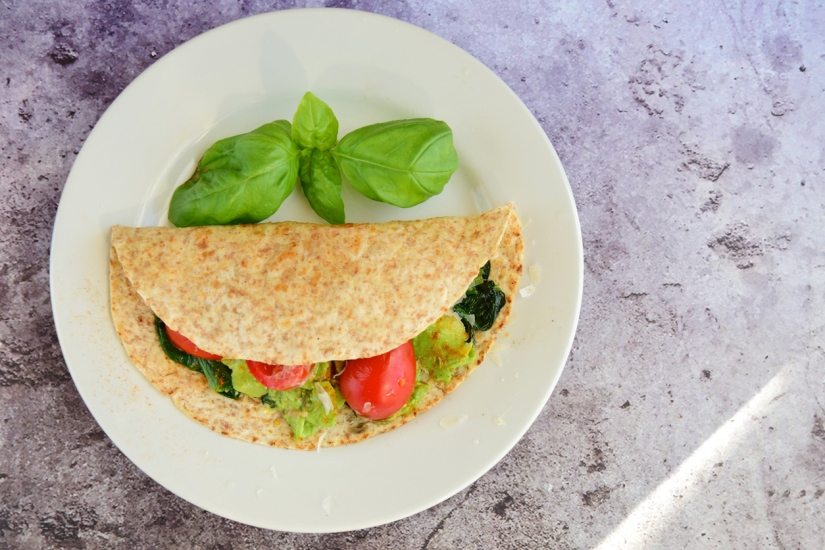
One of the steps she took was to swap white flour tortillas for whole-wheat flour tortillas. She was proud of herself, she said, for making healthy changes. She recognized that this new way of life was affecting her whole family. (¡Eso, Comadre!)

She giggled when she told me that her little boy asked, “Mom, why is my tortilla brown?”  

Her answer to her jito was that brown tortillas are better for you than white ones.

Laura’s little boy is smart because he knows that sometimes when we do things we have to know why. Knowing why is a good motivator.  

Share the benefits of eating healthy foods with your family.  Here are some good reasons to eat whole grains:

  • Whole grains have important nutrients for your body such as protein, fiber, minerals and vitamins
  • Whole-wheat flour is better than white flour because when the grain is refined from brown to white, many nutrients are lost
  • Whole-grain and whole-wheat flour contains all parts of the grain so you get all the nutrients that the bran, germ and endosperm contain
  • Whole grains may help reduce the risk of heart disease, stroke, type 2 diabetes and colorectal cancer, just to name a few
  • Whole grains may help you maintain a healthy weight
  • Whole grains are high in fiber, and give you an easy way to add more fiber to your diet. Fiber helps you digest your food and it’s good for your panza

Here are some whole grains to add to your healthy eating adventures:

  • 100% whole wheat tortillas (¡Qué vivan las brown tortillas!)
  • 100% whole wheat breads (Look for “whole wheat,” “100% whole grain” or “whole (other grain)” as the first ingredient)
  • Whole-grain pasta
  • Whole oats/oatmeal
  • Whole-grain corn (from corn meal, not corn flour)
  • Blue corn tortillas!
  • Popcorn (¡Eso! Kids love popcorn!)
  • Quinoa (food of the Incan gods)
  • Brown rice
  • Wild rice

Look for whole-grain recipes in the De Las Mías app!  

Got whole-grain recipes to share? Send them to us and we will choose some to include in La Cocina!

¡Unidas for a Healthy Life!

¡Hola, Guapa!, Edición No. 1: Getting Started, English, Healthy Comadres

Healthy Changes: Don’t Go It Alone—Tell Your Comadre

Making healthy changes isn’t easy—it takes commitment and hard work.. The good news is: you don’t have to go it alone. Starting a new healthy lifestyle journey is much easier with a comadre by your side. Keep in mind that it is even better if your comadre is also on a healthy lifestyle journey.

You’ve told yourself, “I am ready to make this change.” ¡Estás lista!

Now it’s time to take the extra step and tell your comadre you’re ready. The experts tell us it is important to tell another person we’re ready to make a change. This increases our commitment and the chances of success!

Now’s the time! ¡Ahora es cuando! Turn to your comadre, sister, friend, mom or madrina and tell her, “I’m ready to make a change. This is my plan. Will you help me stay on track?”

Okay, you assessed and declared that you’re ready, you’ve told a comadre and now you make the necessary preparations! Just like you take out the utensils, the bowls and the ingredients to prep for a meal, you have to prep to take action.

Ask yourself, What do I need to make this change?

Try this:

  1. Identify the change you want to make.
  2. Declare yourself ready.
  3. Make a plan. (Write it down.)
  4. Share it with your comadre!
  5. It helps to tell her how you want her to help: Give me an ¡Eso! when I meet my goal. Go with me on my daily walk. Call me in a week if I haven’t called you.

We’ve written plans to commit to healthy changes plenty of times over the years. Here’s an example of one that works well when you’re starting a new healthy lifestyle. Feel free to make it your own!

An Easy Plan for Committing to Healthy Changes

This is the small change I would like to make: I would like to eat fruit instead of cookies when I watch TV.

To get ready I need to:

  1. Buy oranges.
  2. Keep them in a bowl by the TV.
  3. Call my comadre and tell her my plan. (Increase your chance of success by setting a start date!)
  4. Commit to check in with her at the end of the week whether I make it or not.
  5. If I don’t meet my goal, I promise to try again.

¡Adelante! You are on your way to making healthy changes, one small step at a time.

Buena Suerte, Comadre! We wish you luck as you make your commitment to healthy changes. To get into action, follow the De Las Mías ¡Un Poquito de Todo Philosophy!

¡Hola, Guapa!, Edición No. 1: Getting Started, English, Healthy Body

Get Started with Physical Activity

¿Sabes qué? Most Latinas—60% of us—are not physically active. ¡Basta! Let’s change that story!

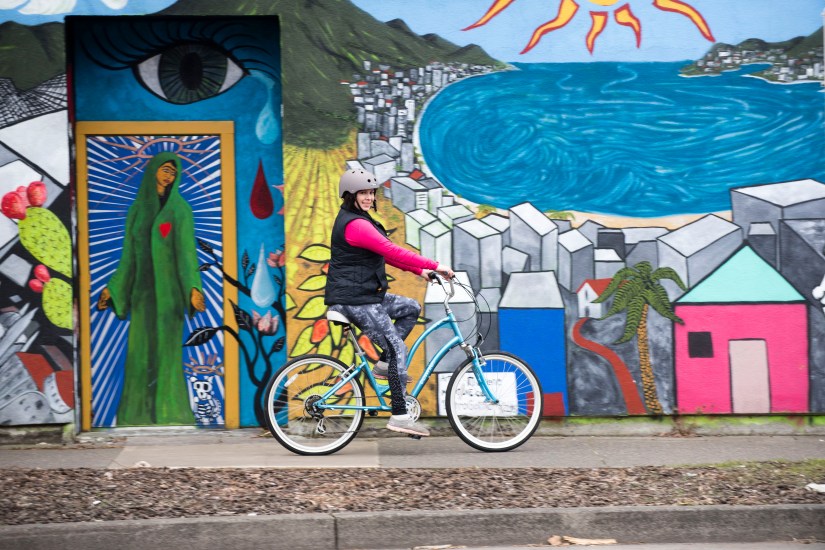
Mely riding bike 1

Many of us are intimidated by what “physical activity” means. Health education research shows that some people don’t even like the word “exercise.”

We hear the words “physical activity” or “exercise” and we imagine pictures of sweaty, skinny chicas in their tight little outfits at the gym and we say, “¡Ay, no!” “¡Chale!” “Forget it!”

Get started with physical activity and move your body!

Honestly, comadres, it’s not that big of a deal. Here’s our official DLM advice about being fit:

¡Move your body! ¡Enjoy it!

Dance it. Love it. Walk it. Bike it. Run it. Grow a garden with it. Please it. Be proud of it. Stop comparing it.

Move it as much as you can. Engage in a fun physical activity at least five days a week for 30 minutes a day and give yourself a big ¡Eso! (Maybe even a ¡beso!)

Here are some of the top benefits of physical activity:

    • Gives you energy
    • Improves your mood
    • Improves your confidence
    • Improves your sex life (¡Créemelo!—Believe it!)
    • Helps you manage stress
    • Helps you lose weight
    • Helps you control your weight
    • Lowers your risk of heart disease, diabetes, and some cancers

Continue reading “Get Started with Physical Activity”