¡Hola, Sabrosa!, Edición No. 6: Healthy Eating, Edición No. 8: Healthy Habits, English, Healthy Mexican Food

The Taquito Diet™


The Taquito Diet

At De Las Mías we don’t normally use the word – ‘diet.’ Diets have gotten to be trite and boring, and we don’t like them very much. We know that if you go on a diet, the chances of you succeeding are slim. (No pun intended.)  

Therefore, De Las Mías is not a diet club. We are a healthy lifestyle community. And we are here to help you take steps to be your healthiest self! We focus on the pleasure of eating and cooking good food. We don’t believe in deprivation, as evidenced by our “Poquito de Todo” philosophy. But because we are a healthy lifestyle community and we want to meet your needs, we do pay attention and many of you want to lose weight and want to get healthier and stronger.  

We’re with you! We support you on  your healthy lifestyle journey, but we don’t want you to go on a diet.

Proud Latinas

As you get to know De Las Mías better, you also know that we are proud of being Latinas, and we love nuestra comida. You will find De Las Mías recipes that are Mexican, New Mexican, and Southwestern. We are proud Latinas, Mexicanas and Chicanas and we want you to be proud too! We come from a rich Indo-Hispano tradition and we have a passion for our indigenous roots and foods!

As we grow and add more recipes and ideas on how to live healthier and more joyful lives, we want to add more ways that you can connect with your roots through your enjoyment of delicious, healthy food. And since most Latinas are both indigenous and Spanish, we want to fold in our love for the Mediterranean way of eating and enjoying food. So we are providing you with two ‘undiets’: The Mediterranean (Un)Diet and The Taquito (Un)Diet!

The Taquito (Un)Diet!

I am so proud of being Mexican! We are blessed with one of the most diverse, healthy and delicious foods in the world! Our Indigenous mothers and Spanish fathers, through many trials and tribulations combined to make us and our food, Mestizas! And what a beautiful combination that ended up to be. If you feel like geeking out on the origin of the taco, check out the Smithsonian: Where did the Taco Come From?

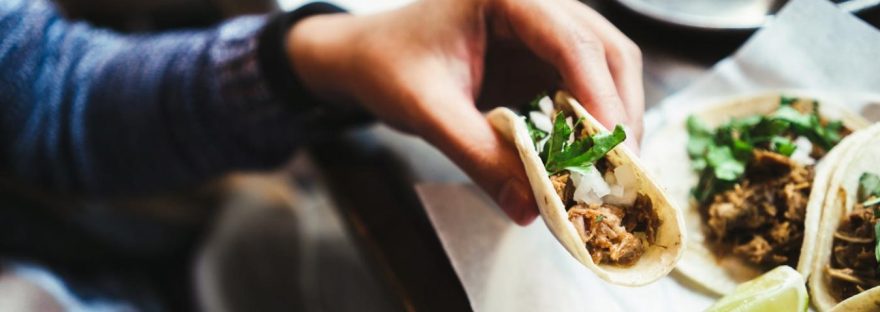
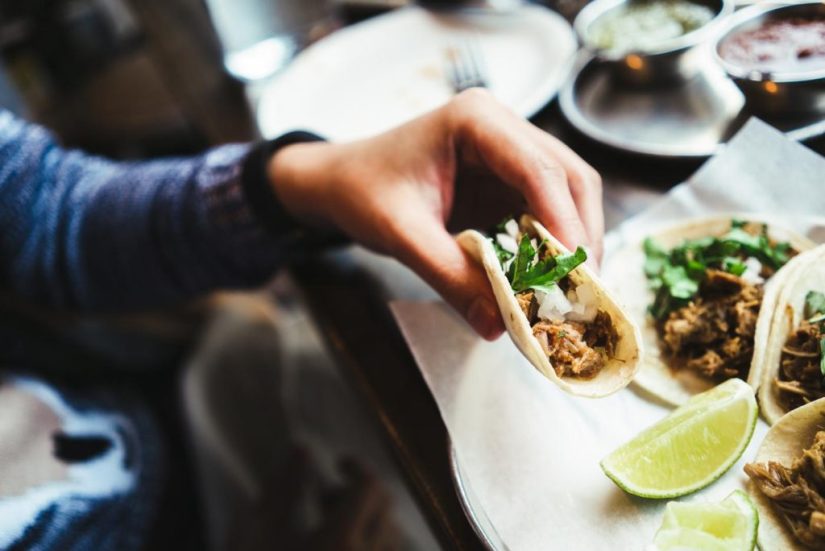
Take the humble taco, a portable bundle of deliciousness and health! It’s the perfect package of whole grains, lean protein, vegetables and even sometimes fruit!

You’ve heard of the grapefruit diet, the celery diet, the paleo diet, the Atkins diet, the blah-blah-blah diet! Now let me tell you about the Taquito Diet™, Baby! It’s a modular, delicious, nutritious and soul feeding pathway to health! You saw it here first!

Here is the skinny on the Taquito Diet:

1. You can make a healthy taco!

2. You can lose weight and enjoy your soul food while eating tacos.

3. You can mix and match, get creative and have fun while achieving a healthy lifestyle for you and your familia!

The taco could change your life! ¡Creélo! Believe, Comdres!
Here’s how it works:

1. Start with 3 corn tortillas.

We’re all about eating more whole grains and these thousand year old tortillas are a great low calorie, whole-grain, flavor-packed vehicle for all things deliciosa!

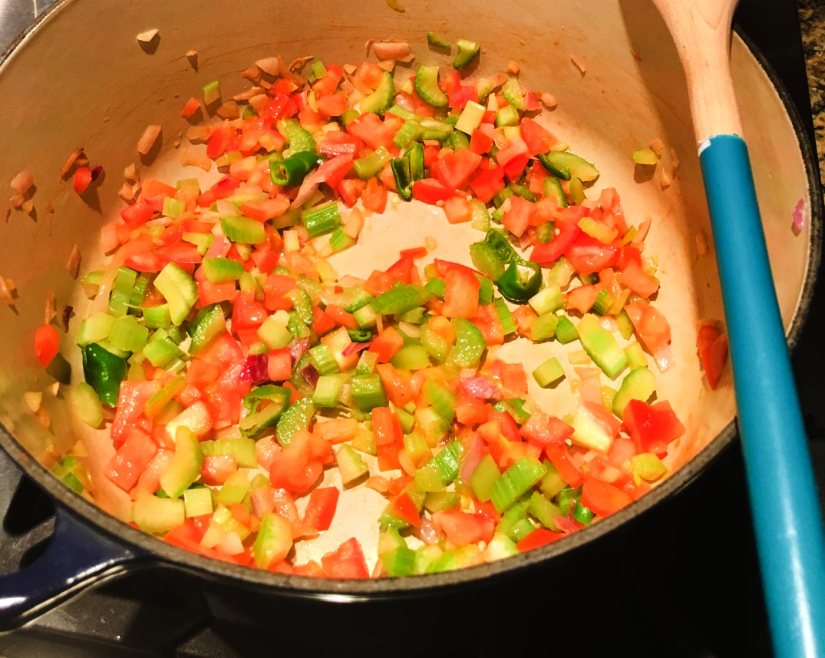
2. Make a sassy sofrito.

One of the very first things that my mother taught me about cooking is to always start with a sofrito. She said that my food would always be delicious if I started whatever I was doing with this magic concoction. It seems like every family has their own version of sofrito. My sister always adds a little fresh garlic, carrots and celery. My Ecuadoran consuegra calls it “Refrito,” and hers includes garlic, onion and achiote.

In our family, it meant simply frying up green chile, onion and tomato in a bit of olive oil before adding your meat, your eggs, or your frijoles de la olla. In Spain, sofrito almost always involves garlic and red pepper. So, the takeaway here is that almost all Spanish, Mexican and Latin American cooks use some kind of sofrito.

Hint: this is one place to add a veggie serving to your day.
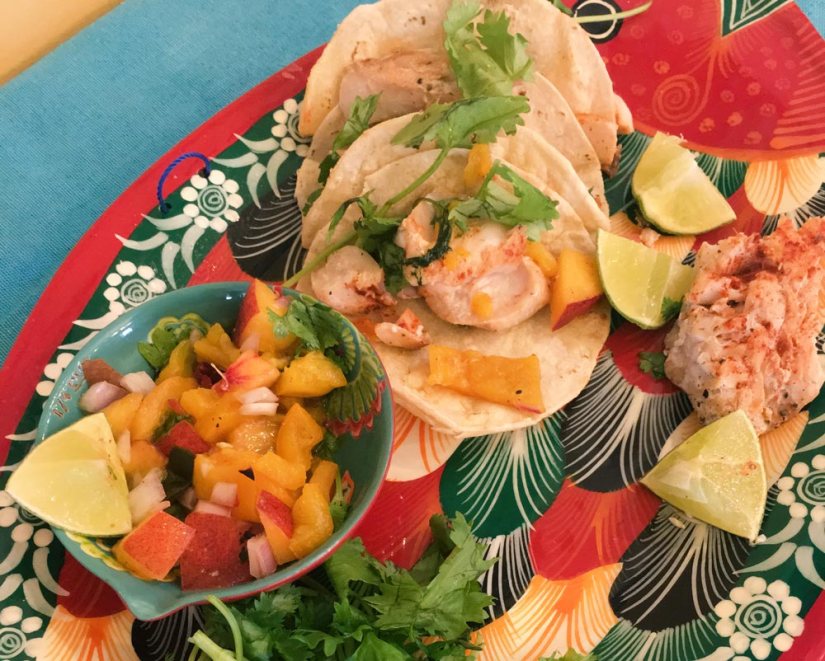
3. Add a delicious meat or veggie heart!

A roasted chicken is an easy, simple way to fill your taquitos. Sometimes if we haven’t had a chance to cook dinner, I will stop by the market and get one of those rotisserie chickens that are already roasted. I remove the skin and chop it up for taquitos. I always start with the simple green chile, onion and tomato sofrito my mom taught me to make.

Carne asada is always a class taco choice. Or for the vegetarians in your life a delicious spicy cauliflower.


4. Top it off with soul-affirming salsa. ¡Qué viva el chilito!

Salsa is in our blood. Our indigenous ancestors were making salsas before the Spaniards landed. ¿Sabes qué? Mexican salsas originated with the Aztecs. And apparently, the Incas and Mayans were no slackers when it came up to making these tasty concoctions. (Ají, any one?) The base of a good salsa is, el chilito! You cannot have a good salsa without chiles, but the next most common ingredient is el tomate — the tomato.

Salsa, of course, has evolved and many other healthy ingredients were added such as cilantro, parsley, epazote and other spices, and lest we forget, the heroic avocado! Today, there are hundreds of different kinds of salsas. We love fruit salsas, like mango, peach and jicama salsa. Salsas can be raw or cooked. My own favorites are raw salsas, like Pico de Gallo with jalapeños or a good Hatch green chile, or even the humble Anaheim! But one thing is for sure, and that is that salsas are healthy foods that you can use in great abundance and feel good about it. Get your veggies here, Comadres!

Here are some of our favorite salsas:

5. Serve with a side of roasted veggies or raja de chile verde.

And just for safe measure another serving a veggies. 😉

Here are 4 Taquito Diet Recipes in our app to start you on your journey to a better taco!

  1.  Tacos de Camaron
  2.  Tacos de Atun
  3.  Pork Taquitos
  4.  Lazy Sari Avocado taquitos

All of that for just about 500 calories! No fooling. ¡Buen provecho, Guapas!

〰️

Check out the De Las Mias app. It’s free and ready for download in the Google Play Store.  Follow us on Facebook and Instagram @delasmiaslife.

¡Hola, Guapa!, ¡Hola, Sabrosa!, Edición No. 6: Healthy Eating, English, Healthy Comadres, Healthy Family

Healthy Eating Wisdom: Eat Like Your Abuelos

  Looking for Healthy Eating Wisdom?  Your Abuelos Might Have the Answer

Have you noticed how many diseases are related to what we eat? High blood pressure, heart disease, diabetes, cancer. And if you’re trying to come up with a healthy eating plan, it is very confusing. Eat this. Dont eat that. Every time you turn around, there is another diet that you have to follow.  It’s enough to make us un poco loca.
 
But lucky for us, there’s some encouraging news. Researchers are finding out some things that many of us already know. Our grandparents and great-grandparents had a healthier lifestyle than we do, and that’s a fact.

Healthy Eating Wisdom from My Grandfather Take my Papa Pepe for instance, my dad’s father, who immigrated from Spain. Wiry little dude walked everywhere! If he weighed 135 pounds, he weighed too much. Swore that the onion he chomped on and the copious amount of garlic that my abuela cooked with kept him young and nimble even when the arthritis caught up with him in his 70s. We have an old cane of his that has a black mark on the inside of the curve of the cane, and that was from jumping on the bus. He used to run up to the bus and hook his cane around the door handle and hoist himself up the bus steps without missing a beat. Three Meals a Day I remember he bragged about his eating habits. “I eat breakfast, I eat lunch, I eat dinner. ¡Y, Ya! The big meal in those days, and still today in Spain and Latin America, was lunch. And that was paired up with a nice nap. La hora de la comida, which is what we called it at home, started with soup, then a second dish mostly consisting of a small portion chicken, fish or meat and veggies. Dessert was usually a cup of flan or fruit, or even 2-3 galletitas, usually Marías. Small portions but with a lot of variety. The soups were basic and traditional like cocido, which is made up of lots of veggies and very little meat. This was my Papa Pepe’s favorite. But there were also the caldillos. Ours were usually made with chopped fresh tomato, garlic, onion and green chile with small bits of lean beef and cubed potatoes. Meat was expensive then, so the meat portions were always small. A chuleta (pork chop) was thin cut and no bigger than the palm of your hand. The side dishes were veggies such as calabacitas, green beans, or a cucumber salad. ¡Un pan! (One piece of bread) Dinner was lighter than lunch. Some leftovers from lunch perhaps, or a lentil stew with carrots and onions, or even a simple bowl of frijoles de la olla. Sometimes we had chorizo con papas, scrambled up with some eggs. This was a bit heavier, but again, the portions were small, so we could enjoy it without excess. ¡Chiquito pero sabroso! (Small but tasty. ) You can eat a great variety of foods when you eat small portions. “¡Es provete, no traguete!” is one of my favorite dichos related to eating. (It translates to: it’s a taste, not a gorge.) So even a traditional chorizo, which has more fat than a regular cut of lean meat, in small amounts, is delicious. Todo en moderación. (Everything in moderation.) Papá Pepe was anti-chuchulucos. Now there’s a word for your dictionary! CHUCHULUCOS. (Mostly refers to the sweet stuff, like candy, churros, pies, pan dulce, cakes, etc.) He never touched the stuff.   So my abuelo ate three meals with no snacks in between; never ate sugar, except maybe in his café con leche, walked everywhere he could, and worked from sun up to sun down. Lived to be 90. But life has changed. Now we supersize our meals. We use food as a stress management tool and snack for entertainment purposes. The crunchier, the fattier, the more addicting, the more we like it. We sit in our cars, sit in front of our desks, plop down in front of some kind of screen for hours every day and weigh much more than our grandparents did. One of the most interesting lectures I ever attended as a health educator was years ago from Dr. David Hayes Bautista, a Professor of Medicine and Director of the Center for the Study of Latino Health and Culture at the School of Medicine at UCLA.  He cautioned that “Assimilation could be hazardous to our health,” and it was all about how Mexican immigrants were healthier when they got here than when they had lived here for a few years. Current research from UCLA also shows that as Mexican immigrants spend more time in this country, their health physical and mental health deteriorates. The basic traditional Mexican diet consists of corn tortillas, beans, fresh vegetables like tomato, avocado, chiles and onions, and some fruit. Traditional Mexican life included walking as a means of transportation and working hard.   Once we gave up walking as a mode of transportation, changed our traditional lifestyles from working on farms and ranches or even subsistent farming like growing our own food and tending to our orchards, gardens and chickens, we also started eating larger portions and more processed foods with lots more fat, sodium and sugar. Modern North American life has not been kind to our health. Along with eating more processed and fast foods, came the convenience and affordability of cars. These changes make our lives easier but also carry unintended consequences. (Para cada solución hay un problema.) We eat more poorly and are less active than our grandparents, and our poor bodies just started slowing down and wearing out. It’s not rocket science, Comadres. But there you have it. There’s an old dicho that you might have heard: “Lo que no mata engorda.” The equivalent of – “If it  doesn’t kill you, it will make you fatter.” Now, a more appropriate dicho for our times  may be, “Lo que te engorda, te puede matar,” – “That which makes you fat may kill you.” Unfortunately, I speak from experience. I just found out that I have prediabetes again. I had been diagnosed with prediabetes many years ago and that is when I started biking every day and cutting back on carbs and fat. I lost the magical 5%-7% of my body weight, and the prediabetes went away. It worked for me for over 10 years. Recently, I gained some weight, and sure enough, I am back in the prediabetes range. Now let me tell you that I haven’t changed my mind about having diabetes. I do not want diabetes, and I am going to do what I can to prevent or delay it.   So, I am going to channel Papá Pepe and start going back to a more traditional way of eating. I’m cutting back on portion sizes and do more walking.   I always thought that I did plenty of exercise. I ride my bike every day, come rain or shine, but I also confess that I’ve been riding to a French Café. So, I’m bailing on the croissant and switching to whole grain toast. When my Viejo takes our giant dog for a walk in the morning, I’m getting up and going with them even if it means going in my PJ’s. (I’m in Portland right now and people shop in their pajamas here, so I’m cool.) I’m using our De Las Mías Healthy Lifestyle Checklist and calling my Comadre, best friend and sister, test kitchen chef, extra-ordinaire, and Silver Sneaker maniac to report in.    No more CHUCHULUCOS for me and that means, not eating those sour ginger candies I get at the corner store! BUMMER! Okay, well maybe just a few on the week end! ¡Poquitos porque son benditos! I’m going to practice what I preach and let you know how it goes. In 6 months, if I lose 5%-7% of my weight, I should be under the Pre-diabetes range again.   For now, I’m going to take it easy, be kind to myself, love my body, treat it well, and make it last. I’m signing off now to take my bici to Petite Provence, to eat my whole grain toast with an egg for protein and to enjoy the fall colors. ¡Hasta la vista!   Sources: Gordon, Dan. Life in America: Hazardous to immigrants’ health? December 01, 2014  Pérez-Escamilla. Acculturation, nutrition, and health disparities in Latinos. American Journal of Clinical Nutrition. 2011;93(suppl):1163S–7S. 2011 American Society for Nutrition  

¡Hola, Guapa!, Edición No. 6: Healthy Eating, English, Healthy Body, Healthy Comadres

Latinas, Cancer and Healthy Lifestyles

Latinas, Cancer and Healthy Lifestyles: What Every Latina Needs to Know

Lately, we’ve been talking about what researchers call the Latino Health Paradox. The mystery of Latino longevity that shows that, a pesar de todo, in spite of all the odds, such as low education, low income, and low access to health care, Latinos still live longer than anyone else in the U.S., and Latinas live longer than anyone else!

That is good news, Comadres!

But even though we live longer than most people in the U.S., we are not protected from obesity, heart disease, diabetes and some cancers. We hear a lot about diabetes in our community, but not that much about cancer, and cancer is a doozy.

Latinas and Cancer is a complex topic, but it’s one we think is important for you and your comunidad to understand. (Hint: Prevention and early detection!)

Latinas and Cancer

According to the American Cancer Society 2018-2020 report, Latinos and Latinas are less likely to be diagnosed with cancer than non-Latino whites overall, but cancer is the leading cause of death among Latinos. (Go figure!)

There are several reasons for this confusing fact. One reason may be that incidence of cancer is just lower among Latinos, which would be very good news, indeed. But another reason might be that Latinos get diagnosed in later stages of cancer when it is too late to cure it. And that is tragic news, Comadres, because many cancers are curable if we catch them early enough.

Another blow to the cancer dilemma among Latinos is that many of us don’t have access to health care. Some simply don’t have the resources to treat cancer when it happens. Many states have cancer early detection programs that are often free or low cost. In some states, there may even be low cost treatment options, but being low income and not having health care is still a huge challenge and one that we need to address. (a discussion for another day).

We have prepared an overview on Latinas and Cancer.   Here are some Healthy Lifestyle steps to take to protect yourself.

Breast Cancer

Breast cancer is lower among Latinas than non-Latinas in the U.S., but breast cancer is still the leading cause of death among Latinas.  

The reason why: breast cancer in Latinas is often found in the advanced stages when it is harder to cure. Latinas don’t get mammograms at the same rate as non-Latina whites. Some of our comadres can’t afford it, but some of them just don’t get mammograms. They’re busy or they’re embarrassed or they just don’t want to deal with it, but they don’t go and that does not end well.

Early detection of breast cancer saves lives.

What to do:

  • If you are 40 to 44, the American Cancer Society recommends that you start talking to your doctor about mammograms.
  • If you are between the ages of 45 and 54, the American Cancer Society recommends a yearly mammogram.
  • If you are over the age of 55, the American Cancer Society recommends a mammogram every two years.
  • All women need to learn how to do self examine our breasts. Your health care provider can teach you how. Just ask!
  • If you don’t have insurance, there are breast cancer early detection programs in all states that can help you. Some programs may even have free or low cost treatment options.
  • If you care about your comadres, moms, sisters, friends and madrinas, share this information with them. Offer to go with them to their mammograms. Go get coffee and dessert afterwards!

Colorectal Cancer

Although colorectal cancer among Latinos is lower than among Non-Latino Whites, colorectal cancer is the second most commonly diagnosed cancer among Latinas and Latinos. Colorectal cancer is the 3rd leading cause of cancer deaths among Latinos.

Colorectal cancer is a very treatable cancer, if caught early.

Latinos and Latinas are squeamish when it comes to colorectal cancer screening. (¡Nos da asco!) Latinos undergo colorectal screening less than any other group.  And the result of not getting screened is a tragedy that does not have to happen.

What to do:

  • The only way to catch colorectal cancer early is to make yourself go through the yukky tests! There are several tests that are commonly used to find colorectal cancer. None of them are fun or pleasant and many of us are just too embarrassed or grossed out to do them.  
  • There are 2 stool tests that are commonly used. They detect blood in the stool.  You may know them as the FIT, which stands for fecal immunochemical test, or the FOBT, which stands for fecal occult blood test. (Basically it involves putting some poop on a card and sending it in for analysis. So, yes, fuchi, but effective, and it could save your life.)
  • The other common test is the colonoscopy, which involves a tripa up your rear end.  That’s where the colon is. This falls into the category of ¡Ni modo! Grin and bear it. They give you a sedative to make you more comfortable and to help you forget it ever happened. Some people don’t feel a thing. ¿What do you say we just get over the vergüenza and do the test, Comadres?  
  • Talk to your doctor about which colorectal cancer screening test is best for you, and preserve your long life!

Cervical Cancer

According to the American Cancer Society, the cervical cancer rate among Latinas is 40% higher than among non-Latina white women. Although cervical cancer rates have gone down over the last few years, it is still too high for us, Comadres!

Cervical cancer is caused by certain kinds of viruses, called HPVs (the human papillomavirus). Sometimes the virus goes away on its own. But over time if HPV doesn’t go away, it can cause cervical cancer.

What to do:

  • The main way to prevent HPV is to get the HPV vaccine. The CDC recommends that all children, boys and girls, get the vaccine between the ages of 13-17 so they can be protected for the rest of their lives.
  • Recently, the HPV vaccine was approved by the Food and Drug Administration for people up to the age of 45. Check with your doctor and find out if  you can get vaccinated.
  • If you have HPV, the way to catch it before it becomes cancer is to have cervical cancer screening. It starts with a pap test and you may need an HPV test as well.  
  • Smoking puts us at risk of persistent HPV infections and cervical cancers. So if you don’t smoke, don’t start. If you smoke, quit.

Stomach Cancer

Stomach cancer is higher among Latinas than non-Latina white women. Scientists don’t have a full understanding of stomach cancer yet, but they have linked some stomach cancers to exposure to bacterial infections of the stomach.  Some of these infections can be found and treated. More studies are needed to learn more about why Latinos and Latinas are at higher risk of stomach cancers.

What to do:

  • If you have had stomach bacterial infections, talk to your doctor about what you can do to protect yourself from stomach cancer.
  • If you smoke, quit. If you don’t smoke, don’t start. (Seeing a theme here?)
  • Cut down on drinking alcohol. It is recommended that women drink only one alcoholic drink a day.
  • Avoid foods that are preserved with salt and limit your intake of smoked or charred foods.
  • Cut down on processed meats, like bologna, chorizo, and ham
  • Eat plenty of fruits and non-starchy vegetables like onions, garlic and leeks. There are studies that show these  kinds of fruits and veggies can protect against stomach cancer.
  • Follow good hygiene practices such as washing your hands after you go to the bathroom, washing fruits and veggies before you eat them, and being careful with how you store your food

Gallbladder Cancer

Gallbladder cancer is higher among Latinas than among non-Latina whites. It is also higher among Latinas than in Latinos. More research is needed on gallbladder cancer and why it is so high among Latinas.

Possible connections are being overweight, being on hormone replacement therapy, and/or if you have had gallstones.

What to do:

  • Cut back on your risk for gallbladder cancer by getting to a healthier weight.  
  • If you are overweight, start eating a healthier diet and get more active.
  • Join De Las Mías and follow our healthy living plan!
  • If you are on hormone replacement therapy, talk to your doctor about this risk.

Latinas, Cancer and Healthy Lifestyles 

We wanted to give you a snapshot of Latinas and cancer, so you can start thinking about it and take action! There’s good news about Latinas and Cancer and it has to do with Healthy Lifestyle.  

Here’s the Good News:

  • The American Cancer Society states that 42% of all cancer cases can be prevented, mainly by not smoking, eating healthfully and being physically active.
  • Other cancers like breast, colon, and cervical cancer can be cured if you catch them early enough.
  • Review this article with your familias. Take these specific steps and protect yourself and your hijas, comadres, tías, moms, and madrinas.
  • If you are lucky enough to be able to sign up for health insurance, do it now. ¡Vale la pena!

For a deeper dive into Latinos and cancer, read the American Cancer Society report: Cancer and Facts & Figures.

The take-away, Comadres, is this: All roads lead to following a healthy lifestyle program like De Las Mías.  

Take back your power and hold on to the Latina Health Paradox! Get your cancer screenings and live to tell the tale! Take charge of your health and your life. You’re driving, Comadre!

Let us know one thing you are doing today to change the cancer story for Latinas!

〰️

Check out the De Las Mias app. It’s free and ready for download in the Google Play Store. Follow us on Facebook and Instagram @delasmiaslife.


————

Sources:

American Cancer Society. Cancer Facts and Figures for Hispanics/Latinos. 2018-2020. Atlanta, American Cancer Society, Inc. 2018.

https://www.cancer.org/content/dam/cancer-org/research/cancer-facts-and-statistics/cancer-facts-and-figures-for-hispanics-and-latinos/cancer-facts-and-figures-for-hispanics-and-latinos-2018-2020.pdf

https://www.fredhutch.org/en/events/cancer-in-our-communities/hispanic-americans-and-cancer.html

¡Hola, Guapa!, Edición No. 6: Healthy Eating, English, Healthy Body, Healthy Comadres

The Mysterious Case of a Long Latino Life

The Mystery of the Long Lives of Latinos

¿Sabías que? Latinos live longer than other groups in the U.S. And Latinas live longer than almost anyone? (Yes, I am talking about you, Comadre!)

According to the Population Reference Bureau, a non-profit organization that specializes in demographics, Latinos outlive non-Latino whites by 3 years on average.  

Long Live Latinos!

In 2014, life expectancy at birth for the U.S. Hispanic population was 81.8 years, compared with 78.8 years for the U.S. non-Hispanic white population. If you are a Latina, you are expected to live to be over 83 years of age, compared to 81 years of age for a non-Hispanic white women.

¡Imagínate! In spite of Latinos having lower income and less education than other groups in this country, we still live longer! (Strong Stuff!)

It’s a Mystery

Scientists sometimes call this life expectancy mystery the “Latino Health Paradox.”

Here are some of the clues that researchers think may solve the mysterious case of Latino longevity:

One reason that scientists think Latinos may live longer is that we don’t smoke as much as our white and black brothers and sisters. Latinas tend to smoke less than other groups and we tend to quit earlier. Since lung cancer is the number one cause of cancer deaths in this country, and we’re not smoking as much as others, we’re not dying of lung cancer at the same rate. That’s good news!

What to do: If you don’t smoke, don’t start. If you smoke, quit.

Another reason that Latinos might live longer is that many of us are immigrants, and immigrants come into this country with better health, better eating habits and more physically active than the folks who already live here. It is only after we spend a lifetime in the States that we start losing our grip on our good health and longevity. 

What to do: ¡Eat like your Abuelos! Go back to your traditional foods. ¡Qué vivan los healthy tacos! Y ¡Qué viva la ‘Mediterranean diet!’ 

Follow the De Las Mías 9 Steps to Healthy Living. Use the De Las Mías app to get healthy and stay on track. Check out our healthy lifestyle checklist in the app! It works, but only if you use it!

A third reason why we might be so tough and resilient has to do with our familias and our comunidad. Dr. Ortega, a researcher at UCLA Center for Latino Health, tells us that our mental health takes a turn for the worse as we lose our family and community connections. This is especially true for our teenagers as they become more Americanized. Hanging on to our cultura, our values, our families and our community makes us stronger and can help our children be more resilient.

Through ongoing research, we are learning that there is a direct link between long-term stress and health. We now know that having social and family support is key to managing stress and that means better mental health, for ourselves and our children.


How to preserve our longevity: Hang on to your familias for dear life! Keep on nurturing your familias, vecinos, comadres y compadres as if your health depended on it, because apparently it does!


What scientists call the “Latino Health Paradox” is a wonderful mystery that we should embrace and promote in ourselves. Be proud of it, Comadres! We are a resilient, hardworking, healthy people and we need to make the most of this gift.  

Ask yourselves:

  • What can I do to keep this mystery alive and well in myself and my familia?
  • How can I preserve this gift that has been handed down to me by my ancestors?  

And give thanks for the Latino Health Paradox!

〰️

Check out the De Las Mias app. It’s free and ready for download in the Google Play Store.  Follow us on Facebook and Instagram @delasmiaslife.

————

Sources:

Scommegna, Paola. New Studies Link U.S. Hispanics’ Longer Life Expectancy to Migration Patterns, Less Smoking. PRB – Population Reference Bureau. September 2017. https://www.prb.org/hispanics-life-expectancy-migration-patterns/

Gordon, Dan. Life in America. Hazardous to Immigrants Health? UCLA Newsroom. 2014. http://newsroom.ucla.edu/stories/life-in-america-hazardous-to-immigrants-health


¡Hola, Sabrosa!, Edición No. 6: Healthy Eating, English, Healthy Mexican Food

Embracing Our Heritage Through the Love of Food

Our Rich Heritage Embraced Through Food!

At De Las Mías, we embrace our indigenous and  our Spanish roots.There is so much history that shaped our Indo-Hispano heritage, and some of it is not so good. Oppression and colonization caused pain and suffering. And because of that, we would sometimes like to abandon our past and reject the oppressor. There is merit in rejecting oppression and in countering the negative effects of colonization. But to deny or reject our past can also cause us to reject ourselves, and we don’t want that.

We want to embrace the whole messy thing that brought us to this place, and move on.

Our Heritage and Cultural Pride

I am equally proud of being Mexicana, Chicana, Latina as I am to be Española. I love that my Papá Pepe, my Spanish grandfather, left Spain by himself when he was 13 years old to come to ‘Hacer la America.’ And I’m proud that my Nana Concha, with her Yaqui roots, lived and struggled in a small village in the State of Sonora. This is my heritage and I am proud of it. 

I embrace the traditional and healthy Mexican way of eating, as well as the Mediterranean way of eating. The Mexican way of eating is rich in corn, native vegetables, chiles, nopalitos, tomatoes, beans, and chocolate (lots of chocolate!), and the Mediterranean way of eating is rich in vegetables, fruits, legumes, nuts, fish, olives and olive oil (lots of olive oil!).

The Mediterranean Diet

There is ample research that the ‘Mediterranean Diet’ provides great health benefits. Adopting it as a way of life is an excellent way to prevent chronic conditions like diabetes, heart disease, cancer and hypertension.

We are working on having a whole array of Mediterranean inspired recipes to send your way, but for now, let’s take a look at what we mean when we say ‘Mediterranean Diet.’

What makes it special?

The Mediterranean Diet is a way of eating that involves traditional foods commonly eaten in the 16 countries that border the Mediterranean Sea. This way of eating involves eating lots of vegetables and fruits, along with a moderate amount of bread, whole grains, potatoes and nuts, and a lesser amount of dairy, eggs, poultry, and fish. There is almost no red meat in the classic ‘Mediterraneans Diet.’ It also involves copious amounts of olive oil, very little butter, and a little red wine.

According to Clark and Farrow, authors of the wonderful and affordable cookbook, Mediterranean, A Taste of the Sun in over 150 Recipes, these are some of the most common foods and spices that are part of a Mediterranean Diet:

  • Vegetables include artichokes, eggplant, fava beans, fennel, mushrooms, okra, onions, peppers, mostly sweet peppers like red and yellow peppers or pimientos, radicchio, radishes, spinach, tomatoes, grape leaves, zucchini, and olives.
  • Fruits characteristic of the ‘Mediterranean Diet’ are dates, figs, melons, peaches and oranges.
  • Dairy includes goat, cow and sheep cheeses, like Manchego! And of course, yogurt.
  • Legumes include garbanzo beans also known as chickpeas, lentils and navy beans.
  • Nuts include almonds, piñon nuts, walnuts and pistachios.
  • Herbs and spices are bountiful in the ‘Mediterranean Diet’ and perhaps that is the reason why it is so tasty and satisfying. Traditional Mediterranean herbs include basil, bay leaves, chives, cilantro dill, mint, parsley, rosemary, sage, tarragon, thyme, cardamom, chiles, cinnamon, coriander, cumin, mace, nutmeg, pepper and saffron!  
  • Fish, poultry and eggs are key proteins in the Mediterranean way of eating, but the small amount of red meat in this way of eating may account for the great benefits to heart health that are attributed to it.
  • The Mediterranean way of eating includes olive oil almost to the exclusion of any other kind of fat. Olive oil is one of the healthiest fats we can consume.

With this great variety of foods and flavors, how can we not enjoy the bounty of the Mediterranean table?

It is not a way of eating it’s a way of living.

A characteristic that many of us in North America forget to mention when we talk about the Mediterranean way of eating is that it is a lifestyle. It is not just about the food but about how you buy it, prepare it and share it with friends and family. The Mediterranean way of eating involves sitting around a table, talking, eating, sharing stories, taking it slowly and not rushing, being more mindful of the experience of good food and good company.  

So, embrace your multicultural heritage and delve into the Mediterranean way of eating, but take your time, cook it with love and attention, set a table, tell some stories and enjoy! ¡Buen Provecho!

〰️

Check out the De Las Mias app It’s free and ready for download in the Google Play Store. Follow us on Facebook and Instagram @delasmiaslife.

————

Source:

Clark, Jacqueline and Farrow, Joanna. Mediterranean, A Taste of the Sun in over 150 Recipes. Hermes House. 2003.


¡Hola, Sabrosa!, Edición No. 6: Healthy Eating, Spanish

Licuados y batidos: el “smoothie” Latinoamericano facil y rapido

A donde quiera que vayas en México y América Latina, vas a encontrarte con licuados de frutas y verduras. Se venden en las calles y se hacen de volada en la mayoría de los hogares. En los Yunaides (EE.UU.), en la cocina popular, los licuados y batidos tienen su dichoso lugar, como muchas otras comidas deliciosas que se han adoptado de nuestras tierras.  

Los licuados, también conocidos como batidos en otras partes de América Latina, se transformaron en “smoothies” cuando emigraron a los E.E.U.U., así como los burritos se convirtieron en ‘wraps’. Pero de todas maneras, los licuados, batidos y smoothies  vienen siendo la misma cosa: un elixir delicioso, nutritivo y ‘on-the-go’ como desayuno o un ‘levanta-muertos’ por las tardes.

En nuestra cocina en casa, siempre contábamos con la licuadora en su lugar principal así como el tostador de pan y el comal. ¿Tenías prisa? En un dos por tres, le echabas un poco de Chocomilk, leche, un plátano y un poco de hielo en la licuadora, le dabas gas al ‘High Button’ y ¡listo! Déjate de decir que no tienes tiempo para el desayuno.

Los batidos en Ecuador y América Latina son fantásticos, preparados con frutas exóticas y deliciosas. Y son súper fáciles. Solamente necesitas una licuadora. Si te gusta usar aparatos ‘hi-tech’, hay todo tipo de licuadoras y Nutrí Bullets. Yo te aconsejo que para empezar, si tienes la humilde licuadora en casa, úsala. Si se te pega la rutina y sigues soñando con el aparato más fufo, pues cómpratelo. Te lo mereces.

Para hacer un buen licuado, típicamente, se usa leche, fruta, hielo y un poco de azúcar. Yo prefiero lo dulce de la fruta y no le pongo azúcar a mi licuado. Pero ponle lo que te guste a ti. ¡Experimenta, comadre! Una cucharadita de vainilla o de chocolate. Una pizca de canela. Un chorrito de jugo de naranja o toronja.

El otro día, pelé una manzana triste, piqué un poco de apio con una puntita de jengibre pelado, un poco de jugo de naranja, una taza de agua y hielo. Lo licué hasta que quedó bien licuado. ¡Y me supo a gloria!

No te imaginas la fruta vieja que he rescatado y echado a la licuadora. Usa cualquier fruta que tengas, menos la que está podrida.

Y no se te olvide de una regla muy importante de nutrición: come proteína con cada comida, especialmente con el desayuno.

¿Quieres agregarle más proteína? Muy sencillo. Usa:

  • Leche de vaca, cabra, arroz, nuez o soya
  • Yogur
  • Un ‘boost’ de proteína en polvo

Las ideas brotan de donde uno menos piensa. El otro día en el Safeway, me encontré un libro,  The blender girl por Tess Masters. ¡Es rete creativa, la muchacha esta! ¿Qué te parece un licuado con jugo de naranja, fresas, pimientos y coliflor? No lo he intentado, pero te prometo un reporte.

Aquí en De Las Mías, el libro de cocina, México, the cookbook por Margarita Carrillo Arronte nos está despertando el hambre. ¡Qué libro tan bonito! Fue padre ver que su licuado de miel y aguacate es parecido a la receta que tenemos en la colección de recetas de De Las Mías: Aguacate Mojito. Y en la página 578 está el Jugo de Vampiro. ¿Dime a que niño o niña no le gustaría probar el jugo de vampiro?

¡Si vieras las mezcolanzas que hago en mi licuadora! La semana pasada compré unas ciruelas que me dejaron con la boca fruncida por tres días de lo amargas que estaban. ¡Fuera de broma!  ¿Crees que , que las tire? No, señorita. Las pelé, les agregué un poco de jugo de durazno que me sobró de una lata de duraznos, unas fresas olvidadas en el refri, una pizca de ‘Stevia’, una taza de agua y un poco de hielo. Esto lo licué hasta que el licuado pidió paz.  Y para cerrar con broche de oro, lo rocíe con un poquitín de Tajín. ¡Ay qué delicia! ¡Agridulce como tamarindo!

Anda, y comienza a agregar el licuado a tu día. Es un buen hábito. Excelente manera de comer más frutas y verduras…¡Y le va a encantar a toda la familia!

¡Anímate a hacer licuados! Experimenta y mándanos tu creación: info@delasmia.com. Malena, nuestra nutricionista analiza el contenido nutricional y lo publicamos en nuestra sección de Cocina con tu nombre, para darte un  ‘pat on the back’.


¡Hola, Sabrosa!, Edición No. 6: Healthy Eating, Spanish

10 maneras fáciles para comer más frutas y vegetales

Tu alimentación debe incluir una variedad saludable de frutas, vegetales, proteínas y granos integrales. Las frutas y vegetales son importantes porque añaden vitaminas y nutrientes que te ayudan a que te sientas bien durante el día. Prueba estos consejos fáciles de seguir y estarás en camino a una vida más saludable.

¿Estás lista?

Cocinar comida sabrosa y saludable nunca ha sido más fácil. Las frutas y verduras dan color, sabor y textura a tus platillos, y también añaden un poco de creatividad a tu mesa. Malena, nuestra madrina en la cocina, nos recomienda comer 3 tazas de verduras y 2 tazas de fruta cada día. Estas 10 deliciosas y sencillas opciones a continuación te ayudarán a obtener tu ración diaria fácilmente.

  1. Haz un licuado de frutas¡Los licuados de frutas son como un postre en un vaso! Mezcla hielo con frutas como sandía, melón, piña, fresas o mango en la licuadora para hacer bebidas refrescantes y deliciosas.
  1. Añade vegetales picados a tus platos principalesDale vida a tus comidas con vegetales picados y salsas. Acompaña el plato principal con un delicioso pico de gallo, salsas dulces, saladas o picantes; puedes incorporar también diferentes vegetales como cebollas, champiñones, tomates, pimientos, espinacas ya sea frescas o sofritas, y así agregar suficientes vitaminas como nutrientes en tus platos.
  1. Come ensalada verde una vez al díaEs tan fácil agregar lechuga y verduras crujientes a tu alimentación con tan sólo comer una pequeña ensalada verde al día. Una ensalada fresca con lechugas mixtas, zanahorias, tomates, cebollas verdes y pimientos es el complemento perfecto para tu almuerzo o cena.
  1. Enciende la parrillaAsar a la parrilla es una forma distinta de saborear tus verduras. Ya sea para hacer brochetas o fajitas, la combinación de elote, pimientos y cebollas con un poco de chile en polvo hará que tu comida sea muy sabrosa.

    Nosotras las Latinas, debemos comer más de 3 tazas – y para algunas, hasta 6 tazas – de verduras y frutas al día.

  1. Vegetales molidos o en puréEn lugar de usar productos lácteos o de carne para espesar tus sopas y guisados, trata de moler tus vegetales o hacerlos en puré. Zanahorias, apio, papas, champiñones, y camotes en puré o desmenuzados harán que tu platillo sea sustancioso y saludable.
  1. Añade fruta a tus postresCuando se te antoje algo dulce, usa frutas para darle color y sabor a tus postres. Añadir frutas como arándanos, peras, fresas, plátanos o manzanas a tus recetas favoritas hará que tus postres sean más coloridos, deliciosos y saludables.
  1. Intenta un plato principal vegetariano¡Deja que tus vegetales sean los protagonistas de tus platillos! Usa tu creatividad para hacer tacos, enchiladas, tostadas, burritos y quesadillas de vegetales.
  1. Disfruta de una sabrosa sopa de verdurasTodas sabemos que una buena sopita de verduras llega a calentar hasta el alma. Mezcla una combinación coqueta de pimientos, elote, calabacita, tomates, cebollas y frijoles para hacer una sopa de verduras como un delicioso plato principal o como un antojito.
  1. Prueba botanas de frutas durante el díaCuando te sientas con hambre, piensa en comer frutas: frambuesas, uvas, arándanos, plátanos, manzanas o peras, que además de satisfacer tu apetito, te darán un aumento sano de energía.
  1. Mantén tu cocina llena de frutas y vegetales frescos, enlatados y congeladosLa manera más fácil de comer más frutas y vegetales es simplemente tenerlos a tu alcance. Llena tu carrito del supermercado con frutas y vegetales frescos y no olvides incluir vegetales enlatados y congelados para asegurar que tus comidas siempre sean sabrosas y nutritivas.
¡Hola, Sabrosa!, Edición No. 6: Healthy Eating, Spanish

Así que la cocina no es lo tuyo…

Ya descubrimos tu secreto. No eres tu abuelita, tu madrina o tu tía. No eres tu mamá. No sabes de sofritos ni de frittatas. No eres cocinera, ni te gusta cocinar. Eres una chica que vive de prisa.

Yo te entiendo. ¡Aquí está mi historia!


Mi mamá se emocionó cuando le dije que mi nuevo novio de San Francisco nos visitaría el fin de semana. ¡Ya le había hablado mucho sobre él! Que era maravilloso, que era muy gentil y ¡que era latino! Ella, como toda mamá leona, se moría por conocerlo. “¿Cuándo llega Alex?”, preguntó.

“Mañana”, dije yo.

“Ya no aguanto, quiero conocer a este muchacho. ¡Es tu primer novio latino, mija! Esta es una ocasión especial.”, dijo.

Le di una de esas miraditas y le dije que le bajara un poquito al entusiasmo.

Entonces dijo: “Está bien, lo siento, pero… ¿necesitas alistar la casa? Puedo ir y hacemos una limpieza ‘relámpago’ y en dos horas máximo, queda listo tu departamento”.

Y claro, ¿quién soy yo para rehusar tal oferta? Así que le dije: “Claro, mamá, ven como a las 10, mañana”.

Tenía razón ella. Limpiamos como locas y lo hicimos en menos que te cuento. En eso, a media limpieza, me preguntó: “¿Tienes algo de comer? Ya me está dando un poco de hambre”.

Este…pues,…no. No tenía nada para comer. Bueno, decirlo suena poco. Cuando mamá abrió el refrigerador, sólo encontró un pedazo de pastel de chocolate mordisqueado y una botella de champaña sin burbujas. Bueno, también había un poco de queso mohoso y un aguacate podrido.

“¡Ay, Virgen santísima!”, gritó.

“Pensaba ir a la tienda antes de que él llegara”, le dije. “Casi no he estado aquí durante la semana, mami.”

“¿Ni jugo de naranja? ¿Ni una barra de pan, Sari? ¿Cómo es posible?”

“No tengo mi refri repleto de comida, mami, ya sabes que no me gusta cocinar”, le dije.

“¡Está bien, está bien!” dijo, levantando los brazos al aire. “No debo entrometerme.”

Y todos sabemos que ya estás en líos cuando te dicen: “No debo entrometerme”.

Mami salió al mercado y retacó el refri e intentó que aparentara yo ser perfecta. Hasta compró tomates, cebollas y chiles verdes.

“Vamos a engañarlo, que piense que sabes preparar un sofrito”, dijo, medio en guasa.

Eso fue hace un par de años, antes de que Alex y yo nos comprometiéramos y luego, nos fugáramos. ¡Te reporto felizmente que Alex es un gran cocinero! Prepara un delicioso bistec de pollo y cocina la mayoría de nuestras comidas en casa. Bueno, yo le ayudo. Soy su asistente, A VECES.

Ya que nos casamos y arreglamos nuestra casita, me interesó más la cocina. No mucho, nomás poquito. Como para prepararnos algo una o dos veces por semana. Así que empecé con poquito y ahora ya tengo un repertorio creciente. Aquí hay unas recetas que mi Tía Lori (la chef de De las mías y la mera mera para la cocina) me puso a practicar, ¡y ahora son mi especialidad!

Salsa de Frijol Negro con Totopos
Ensalada de pollo con totopos
Chilaquiles con Chorizo y Huevos
Posole de Sari la Floja
Taquitos de Atún

¡Buen Provecho!

¡Hola, Sabrosa!, Edición No. 1: Getting Started, Edición No. 6: Healthy Eating, Spanish

La filosofía “poquito de todo”

De Las Mías no es un club de dietas. Es una comunidad de mujeres latinas que se apoyan unas a otras para llevar una vida más saludable. ¡Unidas por una vida saludable! Esto quiere decir que tú formas parte de esta comunidad porque quieres estar saludable, no simplemente estar más delgada.

Nuestras investigaciones muestran que las mujeres que se esfuerzan en hacer cambios porque quieren ser más saludables tienen mayor éxito que aquellas que se esfuerzan por hacer cambios porque quieren adelgazar.

También sabemos que renunciar a ciertos alimentos, como a las tortillas de la abuela, solo hará que te sientas frustrada, hambrienta y enojada. Así que cómete la tortilla… ¡nomás no te comas tres!

En De Las Mías sabemos que la moderación es la clave de la salud. Por eso adoptamos la filosofía “poquito de todo.”

El plan de comer bien: Un poquito de todo

De Las Mías se trata de moderación.

Queremos que seas saludable, que hagas cambios moderados, poco a poco.  No queremos que te sientas deprivada o que pienses que hay “comidas prohibidas”. Aquí venimos a gozar de la vida  y de la comida y no de sacrificar nuestras costumbres ni nuestra cultura.

En De Las Mías creemos que podemos ser fuertes y saludables sin enfocarnos demasiado en ser delgadas. No queremos que te sientas como niña mala cuando comes demasiado ni cuando comes comidas que no te convengan. Eso no tiene sentido y no vale la pena. Aquí sabemos que la comida es buena, que la vida es buena y que el camino a la salud se trata de hacer cambios pequeños sobre un plazo de tiempo. Poco a poco.

Es mucho mejor comer la mitad del buñuelo que no comer buñuelos. Mucho mejor servirte la mitad de un platón del pozole de la abuela que no disfrutar del mejor pozole del mundo. Sabemos que la comida no nada más nos satisface el hambre sino que también el alma. No queremos que pares de comer nuestra comida deliciosa, sino que comas más moderadamente.

Adopta nuestra filosofía de “un poquito de todo”. Es un estilo de vida que te ayudará a ser más saludable, pero también más feliz.

¿Lista para poner la práctica de “Poquito de todo” en acción?

¡Unete con nosotras! Comienza con nuestro plan de 9 pasos para comer mejor.  Este plan fue desarrollado por nuestra nutricionista, Malena Perdomo, a la que le llamamos, Madrina Malena.

¡Unidas por una vida saludable!