¡Hola, Sabrosa!, Edición No. 6: Healthy Eating, Edición No. 8: Healthy Habits, English, Healthy Mexican Food

The Taquito Diet™


The Taquito Diet

At De Las Mías we don’t normally use the word – ‘diet.’ Diets have gotten to be trite and boring, and we don’t like them very much. We know that if you go on a diet, the chances of you succeeding are slim. (No pun intended.)  

Therefore, De Las Mías is not a diet club. We are a healthy lifestyle community. And we are here to help you take steps to be your healthiest self! We focus on the pleasure of eating and cooking good food. We don’t believe in deprivation, as evidenced by our “Poquito de Todo” philosophy. But because we are a healthy lifestyle community and we want to meet your needs, we do pay attention and many of you want to lose weight and want to get healthier and stronger.  

We’re with you! We support you on  your healthy lifestyle journey, but we don’t want you to go on a diet.

Proud Latinas

As you get to know De Las Mías better, you also know that we are proud of being Latinas, and we love nuestra comida. You will find De Las Mías recipes that are Mexican, New Mexican, and Southwestern. We are proud Latinas, Mexicanas and Chicanas and we want you to be proud too! We come from a rich Indo-Hispano tradition and we have a passion for our indigenous roots and foods!

As we grow and add more recipes and ideas on how to live healthier and more joyful lives, we want to add more ways that you can connect with your roots through your enjoyment of delicious, healthy food. And since most Latinas are both indigenous and Spanish, we want to fold in our love for the Mediterranean way of eating and enjoying food. So we are providing you with two ‘undiets’: The Mediterranean (Un)Diet and The Taquito (Un)Diet!

The Taquito (Un)Diet!

I am so proud of being Mexican! We are blessed with one of the most diverse, healthy and delicious foods in the world! Our Indigenous mothers and Spanish fathers, through many trials and tribulations combined to make us and our food, Mestizas! And what a beautiful combination that ended up to be. If you feel like geeking out on the origin of the taco, check out the Smithsonian: Where did the Taco Come From?

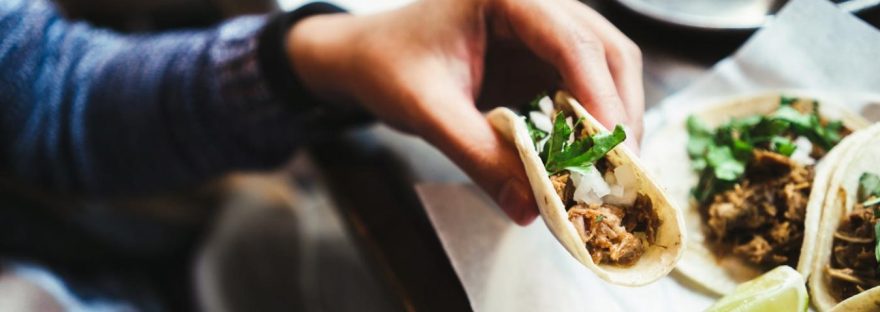
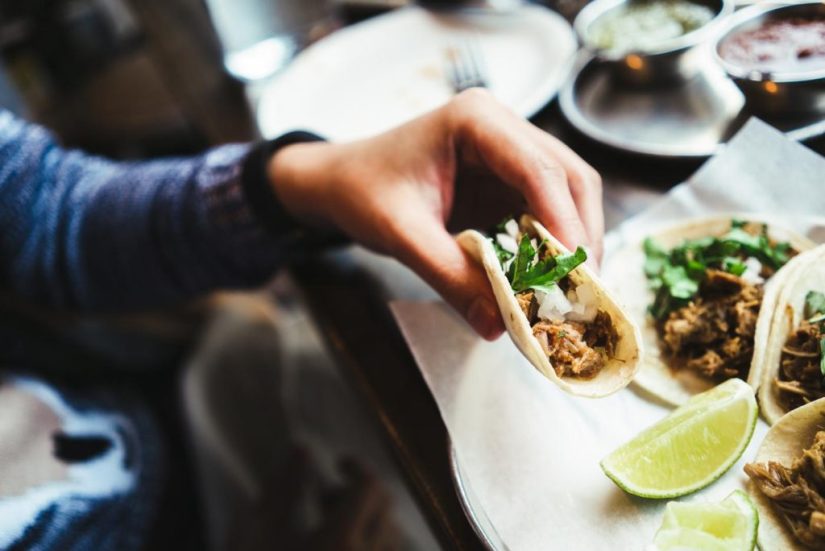
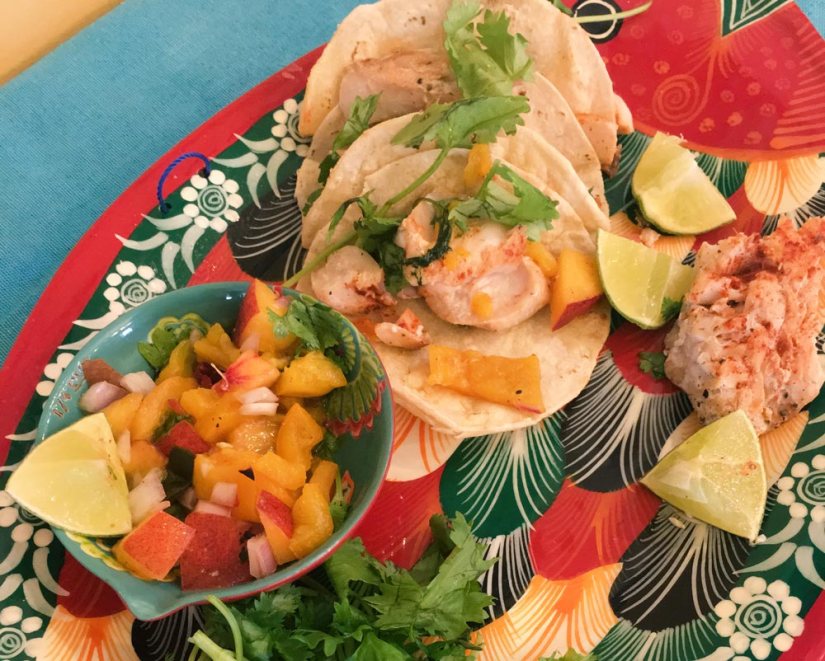
Take the humble taco, a portable bundle of deliciousness and health! It’s the perfect package of whole grains, lean protein, vegetables and even sometimes fruit!

You’ve heard of the grapefruit diet, the celery diet, the paleo diet, the Atkins diet, the blah-blah-blah diet! Now let me tell you about the Taquito Diet™, Baby! It’s a modular, delicious, nutritious and soul feeding pathway to health! You saw it here first!

Here is the skinny on the Taquito Diet:

1. You can make a healthy taco!

2. You can lose weight and enjoy your soul food while eating tacos.

3. You can mix and match, get creative and have fun while achieving a healthy lifestyle for you and your familia!

The taco could change your life! ¡Creélo! Believe, Comdres!

Here’s how it works:

1. Start with 3 corn tortillas.

We’re all about eating more whole grains and these thousand year old tortillas are a great low calorie, whole-grain, flavor-packed vehicle for all things deliciosa!

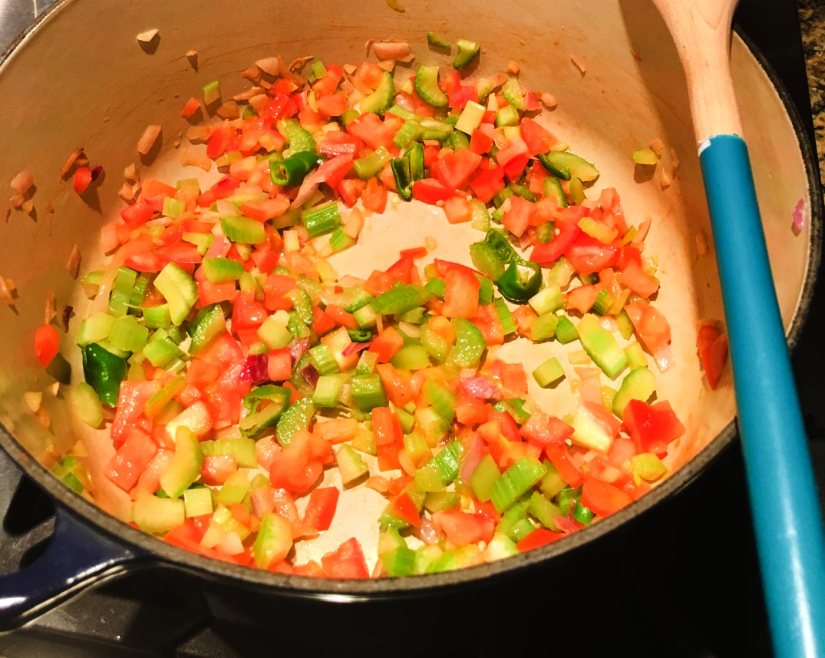
2. Make a sassy sofrito.

One of the very first things that my mother taught me about cooking is to always start with a sofrito. She said that my food would always be delicious if I started whatever I was doing with this magic concoction. It seems like every family has their own version of sofrito. My sister always adds a little fresh garlic, carrots and celery. My Ecuadoran consuegra calls it “Refrito,” and hers includes garlic, onion and achiote.

In our family, it meant simply frying up green chile, onion and tomato in a bit of olive oil before adding your meat, your eggs, or your frijoles de la olla. In Spain, sofrito almost always involves garlic and red pepper. So, the takeaway here is that almost all Spanish, Mexican and Latin American cooks use some kind of sofrito.

Hint: this is one place to add a veggie serving to your day.

3. Add a delicious meat or veggie heart!

A roasted chicken is an easy, simple way to fill your taquitos. Sometimes if we haven’t had a chance to cook dinner, I will stop by the market and get one of those rotisserie chickens that are already roasted. I remove the skin and chop it up for taquitos. I always start with the simple green chile, onion and tomato sofrito my mom taught me to make.

Carne asada is always a class taco choice. Or for the vegetarians in your life a delicious spicy cauliflower.


4. Top it off with soul-affirming salsa. ¡Qué viva el chilito!

Salsa is in our blood. Our indigenous ancestors were making salsas before the Spaniards landed. ¿Sabes qué? Mexican salsas originated with the Aztecs. And apparently, the Incas and Mayans were no slackers when it came up to making these tasty concoctions. (Ají, any one?) The base of a good salsa is, el chilito! You cannot have a good salsa without chiles, but the next most common ingredient is el tomate — the tomato.

Salsa, of course, has evolved and many other healthy ingredients were added such as cilantro, parsley, epazote and other spices, and lest we forget, the heroic avocado! Today, there are hundreds of different kinds of salsas. We love fruit salsas, like mango, peach and jicama salsa. Salsas can be raw or cooked. My own favorites are raw salsas, like Pico de Gallo with jalapeños or a good Hatch green chile, or even the humble Anaheim! But one thing is for sure, and that is that salsas are healthy foods that you can use in great abundance and feel good about it. Get your veggies here, Comadres!

Here are some of our favorite salsas:

5. Serve with a side of roasted veggies or raja de chile verde.

And just for safe measure another serving a veggies. 😉

Here are 4 Taquito Diet Recipes in our app to start you on your journey to a better taco!

  1.  Tacos de Camaron
  2.  Tacos de Atun
  3.  Pork Taquitos
  4.  Lazy Sari Avocado taquitos

All of that for just about 500 calories! No fooling. ¡Buen provecho, Guapas!

〰️

Check out the De Las Mias app. It’s free and ready for download in the Google Play Store.  Follow us on Facebook and Instagram @delasmiaslife.

¡Hola, Guapa!, ¡Hola, Sabrosa!, Edición No. 6: Healthy Eating, English, Healthy Comadres, Healthy Family

Healthy Eating Wisdom: Eat Like Your Abuelos

  Looking for Healthy Eating Wisdom?  Your Abuelos Might Have the Answer

Have you noticed how many diseases are related to what we eat? High blood pressure, heart disease, diabetes, cancer. And if you’re trying to come up with a healthy eating plan, it is very confusing. Eat this. Dont eat that. Every time you turn around, there is another diet that you have to follow.  It’s enough to make us un poco loca.
 
But lucky for us, there’s some encouraging news. Researchers are finding out some things that many of us already know. Our grandparents and great-grandparents had a healthier lifestyle than we do, and that’s a fact.

Healthy Eating Wisdom from My Grandfather Take my Papa Pepe for instance, my dad’s father, who immigrated from Spain. Wiry little dude walked everywhere! If he weighed 135 pounds, he weighed too much. Swore that the onion he chomped on and the copious amount of garlic that my abuela cooked with kept him young and nimble even when the arthritis caught up with him in his 70s. We have an old cane of his that has a black mark on the inside of the curve of the cane, and that was from jumping on the bus. He used to run up to the bus and hook his cane around the door handle and hoist himself up the bus steps without missing a beat. Three Meals a Day I remember he bragged about his eating habits. “I eat breakfast, I eat lunch, I eat dinner. ¡Y, Ya! The big meal in those days, and still today in Spain and Latin America, was lunch. And that was paired up with a nice nap. La hora de la comida, which is what we called it at home, started with soup, then a second dish mostly consisting of a small portion chicken, fish or meat and veggies. Dessert was usually a cup of flan or fruit, or even 2-3 galletitas, usually Marías. Small portions but with a lot of variety. The soups were basic and traditional like cocido, which is made up of lots of veggies and very little meat. This was my Papa Pepe’s favorite. But there were also the caldillos. Ours were usually made with chopped fresh tomato, garlic, onion and green chile with small bits of lean beef and cubed potatoes. Meat was expensive then, so the meat portions were always small. A chuleta (pork chop) was thin cut and no bigger than the palm of your hand. The side dishes were veggies such as calabacitas, green beans, or a cucumber salad. ¡Un pan! (One piece of bread) Dinner was lighter than lunch. Some leftovers from lunch perhaps, or a lentil stew with carrots and onions, or even a simple bowl of frijoles de la olla. Sometimes we had chorizo con papas, scrambled up with some eggs. This was a bit heavier, but again, the portions were small, so we could enjoy it without excess. ¡Chiquito pero sabroso! (Small but tasty. ) You can eat a great variety of foods when you eat small portions. “¡Es provete, no traguete!” is one of my favorite dichos related to eating. (It translates to: it’s a taste, not a gorge.) So even a traditional chorizo, which has more fat than a regular cut of lean meat, in small amounts, is delicious. Todo en moderación. (Everything in moderation.) Papá Pepe was anti-chuchulucos. Now there’s a word for your dictionary! CHUCHULUCOS. (Mostly refers to the sweet stuff, like candy, churros, pies, pan dulce, cakes, etc.) He never touched the stuff.   So my abuelo ate three meals with no snacks in between; never ate sugar, except maybe in his café con leche, walked everywhere he could, and worked from sun up to sun down. Lived to be 90. But life has changed. Now we supersize our meals. We use food as a stress management tool and snack for entertainment purposes. The crunchier, the fattier, the more addicting, the more we like it. We sit in our cars, sit in front of our desks, plop down in front of some kind of screen for hours every day and weigh much more than our grandparents did. One of the most interesting lectures I ever attended as a health educator was years ago from Dr. David Hayes Bautista, a Professor of Medicine and Director of the Center for the Study of Latino Health and Culture at the School of Medicine at UCLA.  He cautioned that “Assimilation could be hazardous to our health,” and it was all about how Mexican immigrants were healthier when they got here than when they had lived here for a few years. Current research from UCLA also shows that as Mexican immigrants spend more time in this country, their health physical and mental health deteriorates. The basic traditional Mexican diet consists of corn tortillas, beans, fresh vegetables like tomato, avocado, chiles and onions, and some fruit. Traditional Mexican life included walking as a means of transportation and working hard.   Once we gave up walking as a mode of transportation, changed our traditional lifestyles from working on farms and ranches or even subsistent farming like growing our own food and tending to our orchards, gardens and chickens, we also started eating larger portions and more processed foods with lots more fat, sodium and sugar. Modern North American life has not been kind to our health. Along with eating more processed and fast foods, came the convenience and affordability of cars. These changes make our lives easier but also carry unintended consequences. (Para cada solución hay un problema.) We eat more poorly and are less active than our grandparents, and our poor bodies just started slowing down and wearing out. It’s not rocket science, Comadres. But there you have it. There’s an old dicho that you might have heard: “Lo que no mata engorda.” The equivalent of – “If it  doesn’t kill you, it will make you fatter.” Now, a more appropriate dicho for our times  may be, “Lo que te engorda, te puede matar,” – “That which makes you fat may kill you.” Unfortunately, I speak from experience. I just found out that I have prediabetes again. I had been diagnosed with prediabetes many years ago and that is when I started biking every day and cutting back on carbs and fat. I lost the magical 5%-7% of my body weight, and the prediabetes went away. It worked for me for over 10 years. Recently, I gained some weight, and sure enough, I am back in the prediabetes range. Now let me tell you that I haven’t changed my mind about having diabetes. I do not want diabetes, and I am going to do what I can to prevent or delay it.   So, I am going to channel Papá Pepe and start going back to a more traditional way of eating. I’m cutting back on portion sizes and do more walking.   I always thought that I did plenty of exercise. I ride my bike every day, come rain or shine, but I also confess that I’ve been riding to a French Café. So, I’m bailing on the croissant and switching to whole grain toast. When my Viejo takes our giant dog for a walk in the morning, I’m getting up and going with them even if it means going in my PJ’s. (I’m in Portland right now and people shop in their pajamas here, so I’m cool.) I’m using our De Las Mías Healthy Lifestyle Checklist and calling my Comadre, best friend and sister, test kitchen chef, extra-ordinaire, and Silver Sneaker maniac to report in.    No more CHUCHULUCOS for me and that means, not eating those sour ginger candies I get at the corner store! BUMMER! Okay, well maybe just a few on the week end! ¡Poquitos porque son benditos! I’m going to practice what I preach and let you know how it goes. In 6 months, if I lose 5%-7% of my weight, I should be under the Pre-diabetes range again.   For now, I’m going to take it easy, be kind to myself, love my body, treat it well, and make it last. I’m signing off now to take my bici to Petite Provence, to eat my whole grain toast with an egg for protein and to enjoy the fall colors. ¡Hasta la vista!   Sources: Gordon, Dan. Life in America: Hazardous to immigrants’ health? December 01, 2014  Pérez-Escamilla. Acculturation, nutrition, and health disparities in Latinos. American Journal of Clinical Nutrition. 2011;93(suppl):1163S–7S. 2011 American Society for Nutrition  

¡Hola, Guapa!, Edición No. 6: Healthy Eating, English, Healthy Body, Healthy Comadres

Latinas, Cancer and Healthy Lifestyles

Latinas, Cancer and Healthy Lifestyles: What Every Latina Needs to Know

Lately, we’ve been talking about what researchers call the Latino Health Paradox. The mystery of Latino longevity that shows that, a pesar de todo, in spite of all the odds, such as low education, low income, and low access to health care, Latinos still live longer than anyone else in the U.S., and Latinas live longer than anyone else!

That is good news, Comadres!

But even though we live longer than most people in the U.S., we are not protected from obesity, heart disease, diabetes and some cancers. We hear a lot about diabetes in our community, but not that much about cancer, and cancer is a doozy.

Latinas and Cancer is a complex topic, but it’s one we think is important for you and your comunidad to understand. (Hint: Prevention and early detection!)

Latinas and Cancer

According to the American Cancer Society 2018-2020 report, Latinos and Latinas are less likely to be diagnosed with cancer than non-Latino whites overall, but cancer is the leading cause of death among Latinos. (Go figure!)

There are several reasons for this confusing fact. One reason may be that incidence of cancer is just lower among Latinos, which would be very good news, indeed. But another reason might be that Latinos get diagnosed in later stages of cancer when it is too late to cure it. And that is tragic news, Comadres, because many cancers are curable if we catch them early enough.

Another blow to the cancer dilemma among Latinos is that many of us don’t have access to health care. Some simply don’t have the resources to treat cancer when it happens. Many states have cancer early detection programs that are often free or low cost. In some states, there may even be low cost treatment options, but being low income and not having health care is still a huge challenge and one that we need to address. (a discussion for another day).

We have prepared an overview on Latinas and Cancer.   Here are some Healthy Lifestyle steps to take to protect yourself.

Breast Cancer

Breast cancer is lower among Latinas than non-Latinas in the U.S., but breast cancer is still the leading cause of death among Latinas.  

The reason why: breast cancer in Latinas is often found in the advanced stages when it is harder to cure. Latinas don’t get mammograms at the same rate as non-Latina whites. Some of our comadres can’t afford it, but some of them just don’t get mammograms. They’re busy or they’re embarrassed or they just don’t want to deal with it, but they don’t go and that does not end well.

Early detection of breast cancer saves lives.

What to do:

  • If you are 40 to 44, the American Cancer Society recommends that you start talking to your doctor about mammograms.
  • If you are between the ages of 45 and 54, the American Cancer Society recommends a yearly mammogram.
  • If you are over the age of 55, the American Cancer Society recommends a mammogram every two years.
  • All women need to learn how to do self examine our breasts. Your health care provider can teach you how. Just ask!
  • If you don’t have insurance, there are breast cancer early detection programs in all states that can help you. Some programs may even have free or low cost treatment options.
  • If you care about your comadres, moms, sisters, friends and madrinas, share this information with them. Offer to go with them to their mammograms. Go get coffee and dessert afterwards!

Colorectal Cancer

Although colorectal cancer among Latinos is lower than among Non-Latino Whites, colorectal cancer is the second most commonly diagnosed cancer among Latinas and Latinos. Colorectal cancer is the 3rd leading cause of cancer deaths among Latinos.

Colorectal cancer is a very treatable cancer, if caught early.

Latinos and Latinas are squeamish when it comes to colorectal cancer screening. (¡Nos da asco!) Latinos undergo colorectal screening less than any other group.  And the result of not getting screened is a tragedy that does not have to happen.

What to do:

  • The only way to catch colorectal cancer early is to make yourself go through the yukky tests! There are several tests that are commonly used to find colorectal cancer. None of them are fun or pleasant and many of us are just too embarrassed or grossed out to do them.  
  • There are 2 stool tests that are commonly used. They detect blood in the stool.  You may know them as the FIT, which stands for fecal immunochemical test, or the FOBT, which stands for fecal occult blood test. (Basically it involves putting some poop on a card and sending it in for analysis. So, yes, fuchi, but effective, and it could save your life.)
  • The other common test is the colonoscopy, which involves a tripa up your rear end.  That’s where the colon is. This falls into the category of ¡Ni modo! Grin and bear it. They give you a sedative to make you more comfortable and to help you forget it ever happened. Some people don’t feel a thing. ¿What do you say we just get over the vergüenza and do the test, Comadres?  
  • Talk to your doctor about which colorectal cancer screening test is best for you, and preserve your long life!

Cervical Cancer

According to the American Cancer Society, the cervical cancer rate among Latinas is 40% higher than among non-Latina white women. Although cervical cancer rates have gone down over the last few years, it is still too high for us, Comadres!

Cervical cancer is caused by certain kinds of viruses, called HPVs (the human papillomavirus). Sometimes the virus goes away on its own. But over time if HPV doesn’t go away, it can cause cervical cancer.

What to do:

  • The main way to prevent HPV is to get the HPV vaccine. The CDC recommends that all children, boys and girls, get the vaccine between the ages of 13-17 so they can be protected for the rest of their lives.
  • Recently, the HPV vaccine was approved by the Food and Drug Administration for people up to the age of 45. Check with your doctor and find out if  you can get vaccinated.
  • If you have HPV, the way to catch it before it becomes cancer is to have cervical cancer screening. It starts with a pap test and you may need an HPV test as well.  
  • Smoking puts us at risk of persistent HPV infections and cervical cancers. So if you don’t smoke, don’t start. If you smoke, quit.

Stomach Cancer

Stomach cancer is higher among Latinas than non-Latina white women. Scientists don’t have a full understanding of stomach cancer yet, but they have linked some stomach cancers to exposure to bacterial infections of the stomach.  Some of these infections can be found and treated. More studies are needed to learn more about why Latinos and Latinas are at higher risk of stomach cancers.

What to do:

  • If you have had stomach bacterial infections, talk to your doctor about what you can do to protect yourself from stomach cancer.
  • If you smoke, quit. If you don’t smoke, don’t start. (Seeing a theme here?)
  • Cut down on drinking alcohol. It is recommended that women drink only one alcoholic drink a day.
  • Avoid foods that are preserved with salt and limit your intake of smoked or charred foods.
  • Cut down on processed meats, like bologna, chorizo, and ham
  • Eat plenty of fruits and non-starchy vegetables like onions, garlic and leeks. There are studies that show these  kinds of fruits and veggies can protect against stomach cancer.
  • Follow good hygiene practices such as washing your hands after you go to the bathroom, washing fruits and veggies before you eat them, and being careful with how you store your food

Gallbladder Cancer

Gallbladder cancer is higher among Latinas than among non-Latina whites. It is also higher among Latinas than in Latinos. More research is needed on gallbladder cancer and why it is so high among Latinas.

Possible connections are being overweight, being on hormone replacement therapy, and/or if you have had gallstones.

What to do:

  • Cut back on your risk for gallbladder cancer by getting to a healthier weight.  
  • If you are overweight, start eating a healthier diet and get more active.
  • Join De Las Mías and follow our healthy living plan!
  • If you are on hormone replacement therapy, talk to your doctor about this risk.

Latinas, Cancer and Healthy Lifestyles 

We wanted to give you a snapshot of Latinas and cancer, so you can start thinking about it and take action! There’s good news about Latinas and Cancer and it has to do with Healthy Lifestyle.  

Here’s the Good News:

  • The American Cancer Society states that 42% of all cancer cases can be prevented, mainly by not smoking, eating healthfully and being physically active.
  • Other cancers like breast, colon, and cervical cancer can be cured if you catch them early enough.
  • Review this article with your familias. Take these specific steps and protect yourself and your hijas, comadres, tías, moms, and madrinas.
  • If you are lucky enough to be able to sign up for health insurance, do it now. ¡Vale la pena!

For a deeper dive into Latinos and cancer, read the American Cancer Society report: Cancer and Facts & Figures.

The take-away, Comadres, is this: All roads lead to following a healthy lifestyle program like De Las Mías.  

Take back your power and hold on to the Latina Health Paradox! Get your cancer screenings and live to tell the tale! Take charge of your health and your life. You’re driving, Comadre!

Let us know one thing you are doing today to change the cancer story for Latinas!

〰️

Check out the De Las Mias app. It’s free and ready for download in the Google Play Store. Follow us on Facebook and Instagram @delasmiaslife.


————

Sources:

American Cancer Society. Cancer Facts and Figures for Hispanics/Latinos. 2018-2020. Atlanta, American Cancer Society, Inc. 2018.

https://www.cancer.org/content/dam/cancer-org/research/cancer-facts-and-statistics/cancer-facts-and-figures-for-hispanics-and-latinos/cancer-facts-and-figures-for-hispanics-and-latinos-2018-2020.pdf

https://www.fredhutch.org/en/events/cancer-in-our-communities/hispanic-americans-and-cancer.html

¡Hola, Guapa!, Edición No. 6: Healthy Eating, English, Healthy Body, Healthy Comadres

The Mysterious Case of a Long Latino Life

The Mystery of the Long Lives of Latinos

¿Sabías que? Latinos live longer than other groups in the U.S. And Latinas live longer than almost anyone? (Yes, I am talking about you, Comadre!)

According to the Population Reference Bureau, a non-profit organization that specializes in demographics, Latinos outlive non-Latino whites by 3 years on average.  

Long Live Latinos!

In 2014, life expectancy at birth for the U.S. Hispanic population was 81.8 years, compared with 78.8 years for the U.S. non-Hispanic white population. If you are a Latina, you are expected to live to be over 83 years of age, compared to 81 years of age for a non-Hispanic white women.

¡Imagínate! In spite of Latinos having lower income and less education than other groups in this country, we still live longer! (Strong Stuff!)

It’s a Mystery

Scientists sometimes call this life expectancy mystery the “Latino Health Paradox.”

Here are some of the clues that researchers think may solve the mysterious case of Latino longevity:

One reason that scientists think Latinos may live longer is that we don’t smoke as much as our white and black brothers and sisters. Latinas tend to smoke less than other groups and we tend to quit earlier. Since lung cancer is the number one cause of cancer deaths in this country, and we’re not smoking as much as others, we’re not dying of lung cancer at the same rate. That’s good news!

What to do: If you don’t smoke, don’t start. If you smoke, quit.

Another reason that Latinos might live longer is that many of us are immigrants, and immigrants come into this country with better health, better eating habits and more physically active than the folks who already live here. It is only after we spend a lifetime in the States that we start losing our grip on our good health and longevity. 

What to do: ¡Eat like your Abuelos! Go back to your traditional foods. ¡Qué vivan los healthy tacos! Y ¡Qué viva la ‘Mediterranean diet!’ 

Follow the De Las Mías 9 Steps to Healthy Living. Use the De Las Mías app to get healthy and stay on track. Check out our healthy lifestyle checklist in the app! It works, but only if you use it!

A third reason why we might be so tough and resilient has to do with our familias and our comunidad. Dr. Ortega, a researcher at UCLA Center for Latino Health, tells us that our mental health takes a turn for the worse as we lose our family and community connections. This is especially true for our teenagers as they become more Americanized. Hanging on to our cultura, our values, our families and our community makes us stronger and can help our children be more resilient.

Through ongoing research, we are learning that there is a direct link between long-term stress and health. We now know that having social and family support is key to managing stress and that means better mental health, for ourselves and our children.


How to preserve our longevity: Hang on to your familias for dear life! Keep on nurturing your familias, vecinos, comadres y compadres as if your health depended on it, because apparently it does!


What scientists call the “Latino Health Paradox” is a wonderful mystery that we should embrace and promote in ourselves. Be proud of it, Comadres! We are a resilient, hardworking, healthy people and we need to make the most of this gift.  

Ask yourselves:

  • What can I do to keep this mystery alive and well in myself and my familia?
  • How can I preserve this gift that has been handed down to me by my ancestors?  

And give thanks for the Latino Health Paradox!

〰️

Check out the De Las Mias app. It’s free and ready for download in the Google Play Store.  Follow us on Facebook and Instagram @delasmiaslife.

————

Sources:

Scommegna, Paola. New Studies Link U.S. Hispanics’ Longer Life Expectancy to Migration Patterns, Less Smoking. PRB – Population Reference Bureau. September 2017. https://www.prb.org/hispanics-life-expectancy-migration-patterns/

Gordon, Dan. Life in America. Hazardous to Immigrants Health? UCLA Newsroom. 2014. http://newsroom.ucla.edu/stories/life-in-america-hazardous-to-immigrants-health


¡Hola, Sabrosa!, Edición No. 6: Healthy Eating, English, Healthy Mexican Food

Embracing Our Heritage Through the Love of Food

Our Rich Heritage Embraced Through Food!

At De Las Mías, we embrace our indigenous and  our Spanish roots.There is so much history that shaped our Indo-Hispano heritage, and some of it is not so good. Oppression and colonization caused pain and suffering. And because of that, we would sometimes like to abandon our past and reject the oppressor. There is merit in rejecting oppression and in countering the negative effects of colonization. But to deny or reject our past can also cause us to reject ourselves, and we don’t want that.

We want to embrace the whole messy thing that brought us to this place, and move on.

Our Heritage and Cultural Pride

I am equally proud of being Mexicana, Chicana, Latina as I am to be Española. I love that my Papá Pepe, my Spanish grandfather, left Spain by himself when he was 13 years old to come to ‘Hacer la America.’ And I’m proud that my Nana Concha, with her Yaqui roots, lived and struggled in a small village in the State of Sonora. This is my heritage and I am proud of it. 

I embrace the traditional and healthy Mexican way of eating, as well as the Mediterranean way of eating. The Mexican way of eating is rich in corn, native vegetables, chiles, nopalitos, tomatoes, beans, and chocolate (lots of chocolate!), and the Mediterranean way of eating is rich in vegetables, fruits, legumes, nuts, fish, olives and olive oil (lots of olive oil!).

The Mediterranean Diet

There is ample research that the ‘Mediterranean Diet’ provides great health benefits. Adopting it as a way of life is an excellent way to prevent chronic conditions like diabetes, heart disease, cancer and hypertension.

We are working on having a whole array of Mediterranean inspired recipes to send your way, but for now, let’s take a look at what we mean when we say ‘Mediterranean Diet.’

What makes it special?

The Mediterranean Diet is a way of eating that involves traditional foods commonly eaten in the 16 countries that border the Mediterranean Sea. This way of eating involves eating lots of vegetables and fruits, along with a moderate amount of bread, whole grains, potatoes and nuts, and a lesser amount of dairy, eggs, poultry, and fish. There is almost no red meat in the classic ‘Mediterraneans Diet.’ It also involves copious amounts of olive oil, very little butter, and a little red wine.

According to Clark and Farrow, authors of the wonderful and affordable cookbook, Mediterranean, A Taste of the Sun in over 150 Recipes, these are some of the most common foods and spices that are part of a Mediterranean Diet:

  • Vegetables include artichokes, eggplant, fava beans, fennel, mushrooms, okra, onions, peppers, mostly sweet peppers like red and yellow peppers or pimientos, radicchio, radishes, spinach, tomatoes, grape leaves, zucchini, and olives.
  • Fruits characteristic of the ‘Mediterranean Diet’ are dates, figs, melons, peaches and oranges.
  • Dairy includes goat, cow and sheep cheeses, like Manchego! And of course, yogurt.
  • Legumes include garbanzo beans also known as chickpeas, lentils and navy beans.
  • Nuts include almonds, piñon nuts, walnuts and pistachios.
  • Herbs and spices are bountiful in the ‘Mediterranean Diet’ and perhaps that is the reason why it is so tasty and satisfying. Traditional Mediterranean herbs include basil, bay leaves, chives, cilantro dill, mint, parsley, rosemary, sage, tarragon, thyme, cardamom, chiles, cinnamon, coriander, cumin, mace, nutmeg, pepper and saffron!  
  • Fish, poultry and eggs are key proteins in the Mediterranean way of eating, but the small amount of red meat in this way of eating may account for the great benefits to heart health that are attributed to it.
  • The Mediterranean way of eating includes olive oil almost to the exclusion of any other kind of fat. Olive oil is one of the healthiest fats we can consume.

With this great variety of foods and flavors, how can we not enjoy the bounty of the Mediterranean table?

It is not a way of eating it’s a way of living.

A characteristic that many of us in North America forget to mention when we talk about the Mediterranean way of eating is that it is a lifestyle. It is not just about the food but about how you buy it, prepare it and share it with friends and family. The Mediterranean way of eating involves sitting around a table, talking, eating, sharing stories, taking it slowly and not rushing, being more mindful of the experience of good food and good company.  

So, embrace your multicultural heritage and delve into the Mediterranean way of eating, but take your time, cook it with love and attention, set a table, tell some stories and enjoy! ¡Buen Provecho!

〰️

Check out the De Las Mias app It’s free and ready for download in the Google Play Store. Follow us on Facebook and Instagram @delasmiaslife.

————

Source:

Clark, Jacqueline and Farrow, Joanna. Mediterranean, A Taste of the Sun in over 150 Recipes. Hermes House. 2003.


¡Hola, Guapa!, English, Healthy Body, Healthy Comadres

Latinas, The Hub of the Family: Self-Care for the Super Mujer

Self-Care for the Super Mujer 

As Latinas, we know we are the rock of our familias. We are the classic Super Mujeres who do it all. We are Super Mamás, Super Abuelas, and Super Caregivers of our aging parents, tías and tíos. We are often, if not always, expected to take the high road. We are in charge of our families, and we are proud of it. We embrace it. We knock ourselves out doing it – we can bring home the frijoles, cook em, serve em up, and make sure our children, partners and viejitos are healthy, safe and sound. But what about self-care?  

Latinas have been called the Hub of the Family. And we know that’s true. Research shows that Latinas make most of the health care decisions for the family; we make the major economic decisions, such as how the money is spent, where we shop for clothes and groceries. We decide on schools, discipline, elder care, you name it. Being a Super Mujer and Hub of the Family is a huge package —un paquetón. But think about this for a moment: If we are the hub of the familia, what happens if the hub breaks down? (Hint: When the hub breaks down, nos lleva la tiznada. And I’m being polite here. There is a better word for that in my Chingonario.)

So this article is the beginning of what I hope can be a conversation on self-care. How can we take care of ourselves as we take care of others?


Here are some things to ponder about self-care as you look at yourself as the hub of the family.

How do you take care of yourself? Self-care is essential when you’re taking care of others. Quick, make a list of 5 self-care activities that you practice.

If you can’t get to 5, make a wish list on 5 more things you can do to start taking better care of yourself. Write it down and post it somewhere. Remember, contemplation is the first step to action!

Here are some basic self-care tips to try:

  1. Your morning ritual. Think of a day when you would feel joyful and relaxed. What does that day look like? How do you start your day? A friend of mine, Roni in Tucson, takes self-care seriously. She always starts her day with a cup of tea in bed with her favorite inspirational reading. She gets up 30 minutes earlier than everyone else and makes a cup of tea and goes back to bed. She listens to soft music, reads a passage or two from her little book and meditates for 5 minutes. She tells me that this morning ritual is essential to start her day on the right foot. What little moments can you carve out for yourself in the morning to start your day off right?
  2. Your physical well-being. Did you know that the majority of us Latinas are not physically active? You might say, “Well if you were in my shoes, you wouldn’t be that physical active either!” And you might be right, but just think about how you can add 20-30 minutes of activity to your day. Can you sneak in a 15 minute walk at work during your break or lunch? Can you start parking a little further away at the grocery store to get in a few extra steps? Think about moving your body as self-care and see at happens next.  
  3. Your vegetables. Eat your veggies, whole grains and fruits. We have a wonderful tool on the De Las Mías App – Our Healthy Living Checklist. If you are not used to taking care of yourself, you probably wouldn’t check everything off the list at first, but can you start with veggies? Can you have a salad for lunch every day? Can you snack on fruit and nuts instead of crunchy stuff with a lot of salt and fat? Start making some headway on your healthy living checklist! ¡Vales la pena! – You’re worth it.
  4. Your bedtime ritual is one of the most important steps you take in self-care. Sleep is sacred for the Super-Mujer, the hub of the family! You have to be rested and ready to start another day!  Some night time rituals to try:
  • Go to bed at the same time every night if you can.
  • Avoid screen time 30 minutes before bed.
  • Avoid caffeine in the evening.
  • A warm bath or shower before going to bed is always nice.
  • Don’t go to bed too hungry or too full.
  • Keep the room cool and dark.
  • If you can’t sleep, don’t toss and turn. Get up and walk around, or read. When you get sleepy again, go back to bed.
  • Are you worried about something?  Write it down and put it in your worry box.  It will be there in the morning when you’re rested and you can tackle it then.

Cuida a tus viejitos. Taking care of elders is not easy, even if you love your viejitos with all your heart. In order to take care of them, you need to take care of yourself. Just pretend you’re on a flight. Give yourself oxygen first.

We found a great article from the Mayo Clinic that gives some good suggestions on how to manage caregiver stress. Try some of these Mayo Clinic suggestions and let us know how it goes:

  • Accept help. Be prepared with a list of ways that others can help you, and let the helper choose what he or she would like to do. For instance, a friend may offer to take the person you care for on a walk a couple of times a week. Or a friend or family member may be able to run an errand, pick up your groceries or cook for you.
  • Focus on what you are able to provide. It’s normal to feel guilty sometimes, but understand that no one is a “perfect” caregiver. Believe that you are doing the best you can and making the best decisions you can at any given time.
  • Set realistic goals. Break large tasks into smaller steps that you can do one at a time. Prioritize, make lists and establish a daily routine. Begin to say no to requests that are draining, such as hosting holiday meals.
  • Seek social support. Make an effort to stay well-connected with family and friends who can offer nonjudgmental emotional support. Set aside time each week for connecting, even if it’s just a walk with a friend.
  • *Get connected. Find out about caregiving resources in your community. Many communities have classes specifically about the disease your loved one is facing. Caregiving services such as transportation, meal delivery or housekeeping may be available.
  • *Join a support group. A support group can provide validation and encouragement, as well as problem-solving strategies for difficult situations. People in support groups understand what you may be going through. A support group can also be a good place to create meaningful friendships.

*An important note on the last two tips: Research shows that when it comes to asking for help in taking care of our viejitos, Latinas and Latinos under-utilize available services. These services are often free and bilingual. We encourage you to reach out to your local churches, social services, such as Catholic Charities, your local AAA, Area Agency on Aging, and/or your community clinics. Find out what’s available! Don’t go it alone, ¡Comadre!  

¡Cuídate, Mujer! It’s not easy being a Super Mujer – Hub of the Family!  

Let us know what you do to take care of yourself. Pass on your wisdom to others so they can find benefit from what you’ve learned.

Sources:

https://www.nielsen.com/us/en/insights/reports/2013/latina-power-shift.html/

http://www.pewresearch.org/fact-tank/2017/09/18/how-the-u-s-hispanic-population-is-changing/

https://www.mayoclinic.org/healthy-lifestyle/stress-management/in-depth/caregiver-stress/art-20044784

Flores, et al. Beyond Familism: Ethics of Care of Latina Caregivers of Elderly Parents with Dementia. Health Care Women Int. 2009


ESPAÑOL

Latinas, el centro de la familia: Autocuidado para la supermujer


Las latinas somos el pilar principal que sostiene a la familia.  Somos la clásica Supermujer que hace todo. Somos supermamás, superabuelas y supercuidadoras de nuestros padres, tías y tíos que están en su tercera edad.

Como madres, siempre se espera que tomemos el buen camino. Nos hacemos cargo de nuestras familias y estamos orgullosas de ello. Nos sacrificamos haciéndolo: compramos, guisamos y servimos los frijoles.  Nos aseguramos de que nuestros hijos, parejas y padres mayores estén sanos y salvos.

A las latinas se les conoce como el centro de la familia. Hay varios estudios científicos que comprueban que las latinas toman la mayoría de las decisiones de atención médica de la familia; tomamos las grandes decisiones económicas, como por ejemplo, cómo se gasta el dinero, dónde se compra la comida y la ropa de la familia. Decidimos cómo educar a nuestros hijos, a qué escuela mandarlos, cómo disciplinarlos y cómo cuidar de nuestros viejitos.

Estamos en el todo de la familia. Ser la mera mera y el Centro de la familia es un paquetón. Pensemos en esto: Si somos el centro de la familia, ¿qué pasa si el centro se descompone? (Pista: Cuando el centro se descompone, nos lleva la tiznada. Y estoy siendo educada, pues hay una palabra que lo describe mejor en mi Chingonario).

Este artículo es el principio de lo que espero sea una conversación sobre cómo cuidarnos a nosotras mismas mientras que cuidamos a los demás: desde la cuna hasta la tumba.


Éstas son algunas cosas que debes considerar al verte como el centro de la familia.


¿Cómo te cuidas? El autocuidado es fundamental cuando estás cuidando a los demás. A ver, rápidamente, haz una lista de 5 cosas que haces para cuidarte.

Si no llegaste a 5, haz una lista de 5 cosas que deseas  hacer para cuidarte mejor. Escríbelas y pégalas en el refri o en tu espejo, en algún lado donde puedes acordarte que tu propio cuidado es importante. Recuerda: ¡la contemplación es el primer paso hacia la acción!

 Aquí les compartimos algunos consejos básicos de autocuidado:

  1. ¡Tus mañanitas! Piensa en un día en el que te sentirías feliz y relajada. ¿Cómo sería ese día? ¿Cómo empiezas tu día? Una amiga, Roni, que vive en Tucson, siempre empieza su día con una taza de té en cama, leyendo su lectura inspiradora favorita. Se levanta 30 minutos antes que los demás y se hace su taza de té y regresa a la cama.  Escucha música tranquila, lee un párrafo o dos de su librito y medita 5 minutos. Me cuenta que ese ritual matutino es fundamental para que empiece bien su día. ¿Qué pequeños momentos puedes crear en la mañana para sentir que empiezas tu día bien? ¿Cómo sería tu Ritual Matutino?
  2. Tu bienestar físico. ¿Sabías que la mayoría de nosotras las latinas no somos físicamente activas? Podrías decir, “Pues si estuvieras en mis zapatos, ¡tú tampoco serías muy activa!” Y puede que tengas razón, pero piensa cómo le puedes agregar 20-30 minutos de actividad a tu día. ¿Puedes echarte una caminata de 15 minutos durante tu break del trabajo o tu hora de la comida? ¿Puedes empezar a estacionarte un poco más lejos del super para que camines un poquito más? ¿Qué pequeñas medidas puedes tomar para que puedas mover más tu cuerpo?
  3. Tus verduras. Come tus verduras, tus granos integrales y frutas. Tenemos una herramienta increíble en la app de De Las Mías: Nuestra Lista de Vida Sana. Si no te estás cuidando, seguramente al principio, no vas a marcar todo lo que está en la lista, pero ¿qué tal si empiezas con tus verduras? ¿Qué tal si te comes una ensalada a la hora de la comida todos los días? ¿Y si te comes una fruta o nueces de snack en vez de algo crujiente con demasiada sal y grasa? ¡Empieza a avanzar con tu lista de vida sana! ¡Vales la pena!
  4. Tu ritual a la hora de acostarse. ¿Qué tan bien duermes? ¡El sueño es muy importante para la roca de la familia! ¡Tiene que estar descansada y lista para empezar el nuevo día! Estos son algunos rituales de noche que puedes intentar:
  • Si puedes, acuéstate a la misma hora todos los días.
  • Evita estar frente a una pantalla 30 minutos antes de acostarte.
  • Evita la cafeína en la noche.
  • Un baño calientito antes de acostarte siempre es rico.
  • No te acuestes demasiado llena ni con mucha hambre
  • Mantén tu recámara fresca y oscura.
  • Si no puedes dormir, no estés dando vueltas. Párate y camina un poco o lee. Cuando te dé sueño de nuevo, regresa a la cama.
  • ¿Estás preocupada por algo? Escríbelo y ponlo en tu cajita de las preocupaciones. Ahí estará en la mañana cuando estés descansada y lo puedas resolver.

Cuida a tus viejitos. Cuidar de los viejitos no es fácil, aunque los ames con todo tu corazón. Para poder cuidarlos, tienes que cuidarte a ti. Haz de cuenta que estás en un vuelo. Ponte el oxígeno tu primero.

Encontramos un artículo en inglés buenísimo del Mayo Clinic que da muy buenas recomendaciones sobre cómo manejar el estrés como cuidador. Prueba algunas de estas sugerencias y cuéntanos cómo te va:

  • Acepta ayuda. Prepara una lista de maneras en que los demás te pueden ayudar a ti, y deja que el ayudante escoja que le gustaría hacer. Por ejemplo, un amigo puede ofrecer llevar a la persona que cuidas a pasear un par de días a la semana. O una amiga o miembro de la familia puede ayudarte con algún encargo: ir al super o preparar la cena.
  • Enfócate en lo que puedes proveer. Es normal sentirse culpable a veces, pero entiende que nadie es un cuidador “perfecto”. Créetela que estás haciendo lo mejor que puedes y tomando las mejores decisiones que puedes en cada momento.
  • Establece objetivos realistas. Divide las tareas grandes en pasos más pequeños para poder hacerlos uno a la vez. Fija prioridades, haz listas y establece una rutina diaria. Empieza a decir que no cuando alguien te pida que hagas algo que te va agotar, como organizar fiestas de fin de año.
  • Busca apoyo social. Haz un esfuerzo y mantente conectada con la familia y amigos que te puedan dar apoyo emocional sin juzgarte. Aparta tiempo cada semana para conectar con tus amistades, aunque sea una caminata con una amiga.
  • *Conéctate. Busca recursos en tu comunidad sobre cuidado a mayores. Muchas comunidades tienen clases específicamente sobre la enfermedad que tiene tu ser querido. Pueden tener servicios de cuidado disponible como transporte, comidas a domicilio y limpieza.
  • *Únete a un grupo de apoyo. Un grupo de apoyo puede darte validación y apoyo, al igual que estrategias de solución de problemas para enfrentar situaciones difíciles. La gente en los grupos de apoyo entiende por lo que estás pasando. Un grupo de apoyo también puede ser un buen lugar para crear buenas amistades.

*Una nota importante sobre las dos últimas recomendaciones: la investigación muestra que en el cuidado de los viejitos, las latinas y latinos usan muy poco los servicios de ayuda que existen. Estos servicios generalmente son gratuitos y bilingües. Te recomendamos que contactes a tu iglesia o asistencia social local, como las Caridades Católicas, tu AAA local, Area Agency on Aging, y/o las clínicas de tu comunidad. ¡Busca lo que está disponible! ¡No lo hagas sola Comadre!

¡No es nada fácil ser Supermujer! ¡Cuídate, Mujer!

Cuéntanos qué haces para cuidarte. Comparte tu conocimiento con las demás para que aprovechen de lo que tú has aprendido.

Fuentes:

https://www.nielsen.com/us/en/insights/reports/2013/latina-power-shift.html/

http://www.pewresearch.org/fact-tank/2017/09/18/how-the-u-s-hispanic-population-is-changing/

https://www.mayoclinic.org/healthy-lifestyle/stress-management/in-depth/caregiver-stress/art-20044784

Flores, et al. Beyond Familism: Ethics of Care of Latina Caregivers of Elderly Parents with Dementia. Health Care Women Int. 2009
 

¡Hola, Guapa!, ¡Hola, Sabrosa!, Edición No. 4: Reflection, Spanish

Latinas, el centro de la familia: Autocuidado para la supermujer

Las latinas somos el pilar principal que sostiene a la familia.  Somos la clásica Supermujer que hace todo. Somos supermamás, superabuelas y supercuidadoras de nuestros padres, tías y tíos que están en su tercera edad.

Como madres, siempre se espera que tomemos el buen camino. Nos hacemos cargo de nuestras familias y estamos orgullosas de ello. Nos sacrificamos haciéndolo: compramos, guisamos y servimos los frijoles.  Nos aseguramos de que nuestros hijos, parejas y padres mayores estén sanos y salvos.

A las latinas se les conoce como el centro de la familia. Hay varios estudios científicos que comprueban que las latinas toman la mayoría de las decisiones de atención médica de la familia; tomamos las grandes decisiones económicas, como por ejemplo, cómo se gasta el dinero, dónde se compra la comida y la ropa de la familia. Decidimos cómo educar a nuestros hijos, a qué escuela mandarlos, cómo disciplinarlos y cómo cuidar de nuestros viejitos.

Estamos en el todo de la familia. Ser la mera mera y el Centro de la familia es un paquetón. Pensemos en esto: Si somos el centro de la familia, ¿qué pasa si el centro se descompone? (Pista: Cuando el centro se descompone, nos lleva la tiznada. Y estoy siendo educada, pues hay una palabra que lo describe mejor en mi Chingonario).

Este artículo es el principio de lo que espero sea una conversación sobre cómo cuidarnos a nosotras mismas mientras que cuidamos a los demás: desde la cuna hasta la tumba.


Éstas son algunas cosas que debes considerar al verte como el centro de la familia.

  1. ¿Cómo te cuidas? El autocuidado es fundamental cuando estás cuidando a los demás. A ver, rápidamente, haz una lista de 5 cosas que haces para cuidarte.
  2. Si no llegaste a 5, haz una lista de 5 cosas que deseas  hacer para cuidarte mejor. Escríbelas y pégalas en el refri o en tu espejo, en algún lado donde puedes acordarte que tu propio cuidado es importante. Recuerda: ¡la contemplación es el primer paso hacia la acción!
  3. Aquí les compartimos algunos consejos básicos de autocuidado:
    • ¡Tus mañanitas! Piensa en un día en el que te sentirías feliz y relajada. ¿Cómo sería ese día? ¿Cómo empiezas tu día? Una amiga, Roni, que vive en Tucson, siempre empieza su día con una taza de té en cama, leyendo su lectura inspiradora favorita. Se levanta 30 minutos antes que los demás y se hace su taza de té y regresa a la cama.  Escucha música tranquila, lee un párrafo o dos de su librito y medita 5 minutos. Me cuenta que ese ritual matutino es fundamental para que empiece bien su día. ¿Qué pequeños momentos puedes crear en la mañana para sentir que empiezas tu día bien? ¿Cómo sería tu Ritual Matutino?
    • Tu bienestar físico. ¿Sabías que la mayoría de nosotras las latinas no somos físicamente activas? Podrías decir, “Pues si estuvieras en mis zapatos, ¡tú tampoco serías muy activa!” Y puede que tengas razón, pero piensa cómo le puedes agregar 20-30 minutos de actividad a tu día. ¿Puedes echarte una caminata de 15 minutos durante tu break del trabajo o tu hora de la comida? ¿Puedes empezar a estacionarte un poco más lejos del super para que camines un poquito más? ¿Qué pequeñas medidas puedes tomar para que puedas mover más tu cuerpo?
    • Tus verduras. Come tus verduras, tus granos integrales y frutas. Tenemos una herramienta increíble en la app de De Las Mías: Nuestra Lista de Vida Sana. Si no te estás cuidando, seguramente al principio, no vas a marcar todo lo que está en la lista, pero ¿qué tal si empiezas con tus verduras? ¿Qué tal si te comes una ensalada a la hora de la comida todos los días? ¿Y si te comes una fruta o nueces de snack en vez de algo crujiente con demasiada sal y grasa? ¡Empieza a avanzar con tu lista de vida sana! ¡Vales la pena!
    • Tu ritual a la hora de acostarse. ¿Qué tan bien duermes? ¡El sueño es muy importante para la roca de la familia! ¡Tiene que estar descansada y lista para empezar el nuevo día! Estos son algunos rituales de noche que puedes intentar:
      • Si puedes, acuéstate a la misma hora todos los días.
      • Evita estar frente a una pantalla 30 minutos antes de acostarte.
      • Evita la cafeína en la noche.
      • Un baño calientito antes de acostarte siempre es rico.
      • No te acuestes demasiado llena ni con mucha hambre.
      • Mantén tu recámara fresca y oscura.
      • Si no puedes dormir, no estés dando vueltas. Párate y camina un poco o lee. Cuando te dé sueño de nuevo, regresa a la cama.
      • ¿Estás preocupada por algo? Escríbelo y ponlo en tu cajita de las preocupaciones. Ahí estará en la mañana cuando estés descansada y lo puedas resolver.
  1. Cuida a tus viejitos. Cuidar de los viejitos no es fácil, aunque los ames con todo tu corazón. Para poder cuidarlos, tienes que cuidarte a ti. Haz de cuenta que estás en un vuelo. Ponte el oxígeno tu primero.

Encontramos un artículo en inglés buenísimo del Mayo Clinic que da muy buenas recomendaciones sobre cómo manejar el estrés como cuidador. Prueba algunas de estas sugerencias y cuéntanos cómo te va:

  • Acepta ayuda. Prepara una lista de maneras en que los demás te pueden ayudar a ti, y deja que el ayudante escoja que le gustaría hacer. Por ejemplo, un amigo puede ofrecer llevar a la persona que cuidas a pasear un par de días a la semana. O una amiga o miembro de la familia puede ayudarte con algún encargo: ir al super o preparar la cena.
  • Enfócate en lo que puedes proveer. Es normal sentirse culpable a veces, pero entiende que nadie es un cuidador “perfecto”. Créetela que estás haciendo lo mejor que puedes y tomando las mejores decisiones que puedes en cada momento.
  • Establece objetivos realistas. Divide las tareas grandes en pasos más pequeños para poder hacerlos uno a la vez. Fija prioridades, haz listas y establece una rutina diaria. Empieza a decir que no cuando alguien te pida que hagas algo que te va agotar, como organizar fiestas de fin de año.
  • Busca apoyo social. Haz un esfuerzo y mantente conectada con la familia y amigos que te puedan dar apoyo emocional sin juzgarte. Aparta tiempo cada semana para conectar con tus amistades, aunque sea una caminata con una amiga.
  • *Conéctate. Busca recursos en tu comunidad sobre cuidado a mayores. Muchas comunidades tienen clases específicamente sobre la enfermedad que tiene tu ser querido. Pueden tener servicios de cuidado disponible como transporte, comidas a domicilio y limpieza.
  • *Únete a un grupo de apoyo. Un grupo de apoyo puede darte validación y apoyo, al igual que estrategias de solución de problemas para enfrentar situaciones difíciles. La gente en los grupos de apoyo entiende por lo que estás pasando. Un grupo de apoyo también puede ser un buen lugar para crear buenas amistades.

*Una nota importante sobre las dos últimas recomendaciones: la investigación muestra que en el cuidado de los viejitos, las latinas y latinos usan muy poco los servicios de ayuda que existen. Estos servicios generalmente son gratuitos y bilingües. Te recomendamos que contactes a tu iglesia o asistencia social local, como las Caridades Católicas, tu AAA local, Area Agency on Aging, y/o las clínicas de tu comunidad. ¡Busca lo que está disponible! ¡No lo hagas sola Comadre!

¡No es nada fácil ser Supermujer! ¡Cuídate, Mujer!

Cuéntanos qué haces para cuidarte. Comparte tu conocimiento con las demás para que aprovechen de lo que tú has aprendido.


Fuentes:

https://www.nielsen.com/us/en/insights/reports/2013/latina-power-shift.html

http://www.pewresearch.org/fact-tank/2017/09/18/how-the-u-s-hispanic-population-is-changing/

https://www.mayoclinic.org/healthy-lifestyle/stress-management/in-depth/caregiver-stress/art-20044784

Flores, et al. Beyond Familism: Ethics of Care of Latina Caregivers of Elderly Parents with Dementia. Health Care Women Int. 2009
¡Hola, Guapa!, Edición No. 5: Stress, Spanish

El estrés, el aguante y los remedios


Nosotras las Latinas venimos de una tradición indo-hispánica muy rica y diversa. Primeramente incluye el meztisaje y sus choques culturales, pero también su sabiduría y su magia espiritual. Claro que hubo y sigue habiendo adversidad, pero con esta adversidad también viene el conocimiento y el poder. Cargamos con este paquete heredado de nuestras abuelas, tías y madres. Lo traemos en la sangre y en el alma. Se lo pasamos a la siguiente generación en el ADN, y a través de nuestras tradiciones, memorias, historias, cuentos y prácticas.

Es poderoso aprender más sobre los efectos negativos del estrés en nuestras vidas e informarnos sobre la ciencia del estrés crónico. Al aprender sobre como nos puede afectar la salud, también podemos recordar la sabiduría de nuestras abuelas y bisabuelas y cómo ellas  sobrevivieron y salieron adelante a pesar de lo que sufrieron. Por que, Amiga, las Latinas sabemos sufrir. 

Dos conceptos se me vienen a la mente cuando digo la palabra – sufrir... Uno es el aguante y el otro son los remedios.

Aguantar es una de esas palabras que tiene mucho más sentido en español que en inglés. En inglés significa “tolerar”, “soportar”. Pero por generaciones, las latinas hemos estado condicionadas no solo a tolerar, pero a sufrur en silencio. La tolerancia al estilo “Calladita me veo más bonita”. Aguantar va de la mano con el silencio, y con el sacrificarse por los demás. Tú lo has visto en tus tías y abuelas, en tu mamá, esa dignidad estoica que surge del sufrimiento.

Me encantó asistir a la Conferencia #WeAllGrow Latina el año pasado y ver manadas de latinas jóvenes pasar con los letreros que anunciaban “Calladitas No More!” Algunas incluso tomándose selfies con el manifesto: “¡No más Calladitas!”

Las latinas estamos aprendiendo, creciendo y recuperando nuestra salud, nuestro poder y nuestra alegría. Como siempre — y como buenas latinas — hacemos esto, no solo para nosotras, sino también para nuestras familias. Ésta es una muy buena tradición latina que prometemos heredarle a las siguientes generaciones.

Así que el aguante, ese tan típico, de la latina tradicional ya va cambiando poco a poco, y eso me parece bien.  Tiene uno que saber aguantar, pero también tener un HASTA AQUI. (Esto lo dejamos para otra charla.) Pero el otro concepto que se me viene a la mente al explorar este lazo multi-generacional del aguante, es la tradición de los remedios.

Una tradicion tan poderosa como el aguante es la magia y el poder de nuestros remedios tradicionales.

Los remedios traen consigo la magia de la curación, de los milagros, de la fe y la esperanza. Todas traemos esos remedios en nuestro costal.  A recordarlos ahora mismo y a ponerlos en practica. Emprendí una búsqueda de remedios entre las mias, y aquí les comparto algunos de los que encontré en nuestra cajita de herramientas:

1. El Santuario. 

Generalmente asociamos la palabra santuario con una iglesia, como el Santuario de Chimayó en el bello norte de Nuevo México, pero también puedes hacer tu propio pequeño santuario en tu casa o en tu jardín. Aduéñate de un rinconcito en algún lugar de tu casa o jardín. Cuando hagas este lugar especial sagrado, puedes utilizarlo como un altar intencional para ayudarte a manejar el estrés. Tu recámara puede funcionar bien como santuario porque generalmente es el lugar más privado de una casa.

  •      Empieza por nombrarlo como un lugar especial al que puedes ir para tener un momento de tranquilidad. (¿A poco tu abuelita no tenía un altarcito en un rincón?)
  •      Coloca algunos objetos que tengan algún significado para ti. Una foto de tu papa si te inspira fortaleza o una de tu mamá si ésta te inspira fe.
  •      Pon una foto o un bultito de tu santito favorito, o de la Virgencita de Guadalupe, un rosario, o lo que sea que tenga un valor sagrado o un recuerdo positivo.
  •      Escoge una vela que sólo vas a prender cuando estés en el cuarto y colócala en una base segura, que no se queme (¡ya van dos veces que casi quemo la casa!)
  •      Pon unas flores. Un recipiente con agua bendita o un recipiente con agua que hayas bendecido tú.
  •      Pasa un rato en tu santuario todos los días o reconócelo cada vez que pases por dónde está.

Usa este lugar sagrado para liberarte de tu estrés, preocupación o miedo. Practica este remedio y verás que poco a poco irás encontrando un refugio mágico en este rinconcito.

2. Santuario de Visualización Creativa

Otra práctica de santuario que es muy linda y me ha dado mucho consuelo en tiempos difíciles es hacer un ejercicio de relajación profunda y agregarle una visualización creativa. Imagina un lugar especial dentro de tu mente al que puedes ir a sentirte tranquila y en paz. ¿Se te viene a la mente un jardín hermoso? ¿O un lugar especial para ir a ver el atardecer? Tal vez diste un paseo largo por la playa un día y te sentiste relajada y en paz. Tómate unos minutos y crea ese santuario especial en tu mente. Siente paz y refugio ahí y regresa cuando quieras.

3. Un Tecito.   

Las latinas tenemos una larga tradición de tomar tecitos. El té de manzanilla es el más común. ¡Hasta se lo damos a los bebés cuando tienen cólico, o para que se relajen! Tómate un descanso, hazte un tecito, siéntate y tómatelo. Mientras te lo tomas, trata de relajarte y “letigo”.

El té de tila es famoso por ser un té relajante, pero no lo tomes si estás embarazada o tienes algún problema del corazón. Si tienes cualquier condición crónica, siempre es bueno preguntarle a tu doctor si puedes tomar té de tila.

Otro de los favoritos es el té de azar. El té de azar era un clásico que se les daba a las jovencitas cuando se ponían nerviosas antes del gran baile. La vida es un gran baile comadres, así es que hay que fortalecerse.

Cualquier té de hierbas funciona. Hay muy buenos tés en los EE. UU. como el Sleepy Time, que funciona muy bien.

4. La Limpia. 

La limpia tiene diferentes significados para diferentes personas. La mayoría estaría de acuerdo con que una limpia es una depuración. Sería bueno que le preguntaras a tus abuelas o madrinas qué usan ellas para hacer una limpia, o si han hecho alguna en su vida. No todas las latinas practican esta tradición, pero la limpia básica que yo hago es simplemente comprar una buena salvia y quemarla un poco en un recipiente de metal o de cerámica. Es bueno ofrendarla a los cuatro vientos; ponte de cara a cada dirección y deja que el humo pase por arriba de tu cabeza. Después de difuminarla, puedes poner unas cuantas gotas de limón en un vaso con agua y rociar el ambiente con un atomizador. Este es un ritual muy sencillo que te puede relajar después de una discusión o después de que se vaya de tu casa una visita desagradable, o si sientes tensión o nervios a entrar a tu casa y quieres “limpiar el aire”. La cualidad que quieres tratar de lograr es intencionalmente dejar ir la tensión, el estrés y las malas vibras.

5. La veladora.    

Amamos las veladoras, pero tenemos que tener cuidado. ¿Les conté que casi quemo la casa en dos ocasiones? ¡Así es que sobre aviso no hay engaño, comadres! Venden unas veladoras muy lindas. “Te prendo una veladora” siempre significa que prenderás una vela para que se te cumpla un deseo. Así es que utiliza tus veladoras sabiamente. Yo ahora prendo la mía en la chimenea para que no haya falla y el único fuego que arda sea el de mi corazón. Nos encantan las veladoras clásicas de la Virgen de Guadalupe.

6. El Bubble Bath  

Soy latina y ahora abuela, así que les puedo decir que ésta vino de una viejita. ¡Me encanta tomarme un buen bubble bath! ¡Tómense un tiempito para ustedes, comadres! Cómprense unas ricas burbujas, pongan música relajante, un letrero de no molestar en la puerta del baño y ¡relájense! Este remedio es buenísimo para los dolores de espalda o si tiene los pies adoloridos de estar paradas todo el día en el trabajo.

¿Cuáles son algunos de los remedios que han probado y les han funcionado? ¡A compartir!

¡Hola, Guapa!, Edición No. 4: Reflection, Spanish

Relajación Profunda: Cómo manejar el estrés y ser una supermujer tranquila y sana

Cuando estamos estresadas — sobre todo cuando hemos estado estresadas o preocupadas por mucho tiempo — es importante cuidarnos y aprender formas para manejar el estrés para que no se convierta  en un problema de salud. Si leíste El estrés y cortisol ya sabes que existe evidencia científica que describe cómo los efectos del cortisol a largo plazo pueden causar problemas de salud, e incluso la acumulación de grasa en el centro del cuerpo — el síndrome de las lonjitas.  Resulta que las famosas lonjitas alrededor de nuestra cintura no es únicamente un problema cosmético. Hay una relación entre las lonjitas y el desarrollo de condiciones crónicas, como la obesidad, prediabetes, diabetes, problemas del corazón y presión alta.

En De Las Mías estamos llevando a cabo más investigación sobre los efectos negativos del estrés crónico, y conforme pasa el tiempo, seguiremos dándoles información actualizada, recomendaciones y técnicas de cómo manejar los efectos negativos del estrés crónico, o como empiezan a llamarlo los científicos, el estrés tóxico.

Una de las maneras más eficaces de sobrellevar el estrés tóxico es con la relajación profunda. La relajación profunda existe desde hace siglos. Tu abuelita la practicaba sin saberlo cuando rezaba el rosario todas las noches antes de dormir. Rezar el rosario ha sido un ritual de las mujeres latinas por siglos y apenas estamos descubriendo que, además de hacernos sentir más cerca a la Madre Santa, estábamos encontrando una forma — a través de la oración repetitiva — de relajarnos profundamente.   El “letigo” de hoy en dia – o “Letting Go” en inglés, es soltar las penas. Dejarlas ir es unas de las cosas más sanas que puedes hacer cuando estás muy estresada, y hay muchas maneras de hacerlo. Rezar el rosario es sólo una de ellas.

Al volverse más diverso culturalmente nuestro país,  vemos a más gente usando las cuentas de oración de otras culturas.  Puedes ver que algunas personas llevan puestas sus cuentas de oración en las muñecas. En Grecia tienen las cuentas komboloi, y las usan para calmarse.  ¡Mi amiga Julie tiene unas cuentas Griegas de amatista divinas! Yo tengo un hilo de cuentas de madera que uso en mi muñeca izquierda cuando estoy particularmente estresada. Me recuerdan que debo de respirar hondo varias veces al día y detenerme a disfrutar lo bello que son las rosas. También las uso para repetir la Oración de la Serenidad o incluso unos cuantos Aves Marías si me encuentro en situaciones difíciles.

Básicamente, la oración repetitiva, como el rosario, el recitar un mantra o la Oración de la Serenidad, nos lleva a un estado meditativo, de relajación. Este estado meditativo es una relajación profunda, y nos ayuda a  sobrellevar los efectos negativos del estrés.

Nosotras las nerviosas, las que no podemos quedarnos tranquilas, usamos la técnica de meditar caminando que les compartimos hace unas semanas. Tengo comadres que sienten el mismo beneficio cuando se ponen a tejer. Existen varios estudios que vinculan el tejido con beneficios para la salud, mejor memoria y como una manera de relajación profunda.

Encuentra tu propia manera de llegar a un estado de relajación profunda por lo menos una vez al día. Hay muchas apps móviles muy buenas que puedes instalar que te ayudarán a meditar, pero recuerda, el objetivo es el mismo: la relajación profunda.

¡Namaste, Comadres!

Les comparto una técnica que aprendí hace muchos años cuando trabajaba en la Universidad de Arizona, en el Centro de Artritis con personas que padecían dolor crónico:

  1. Encuentra un lugar tranquilo donde nadie te moleste en por lo menos 15 minutos.
  2. Siéntate en una silla en una posición cómoda, o en el piso, con tu espalda recargada en la pared.
  3. Respira profundo. Inhala por la nariz y exhala por la boca. Cierra los ojos y respira despacio y profundo.
  4. Repítelo. Haz por lo menos 5 respiraciones profundas y siente tu cuerpo relajarse.
  5. Deja ir cualquier tensión en tu cuerpo. (Letigo)
  6. Identifica dónde sientes tensión y dirígete ahí con tu mente y respira.
  7. Ahora, empieza con tus pies, ¿cómo se sienten? Relájalos. Dirige tu respiración hacia los pies y relaja los músculos.
  8. Ahora, sube a tus pantorrillas, relájalas; deja ir cualquier tensión que tengas en tus pantorrillas.
  9. Ahora sube, respirando profundamente en tus muslos. Relájalos.
  10. Sube a tus caderas, tu cintura y tu pecho. Respira lento y relájate.
  11. Continua subiendo hacia el cuello y muévete de adelante hacia atrás lentamente hasta que sientas los músculos de tu cuello relajarse. Sigue respirando lento y profundo.
  12. Ahora sube a la cara, tu boca, tu mandíbula, tu nariz, tus ojos y toda la cabeza. Deja ir cualquier tensión que sientas en el cuerpo.
  13. Ahora, regresa a tu espalda y trata de relajar los músculos de la espalda, los glúteos y atrás de tus piernas, hasta llegar a tus pies.
  14. Haz unas cuantas respiraciones profundas más.
  15. Quédate en esta posición de relajación unos minutos más. Cuando estés lista, abre los ojos
  16. Ahora, lentamente, párate y sigue tu día.

Hay otras maneras de lograr un estado de relajación profunda. Les compartimos anteriormente la técnica de la Visualización del Santuario en el Mapa de Visión. Hay muchas técnicas de Visualización Creativa que son divertidas y te relajan, pero esta técnica sencilla es un buen punto de partida.

¿Practican alguna técnica de relajación profunda? ¿Qué  les funciona mejor? ¡Compartan su conocimiento, Comadres!

Les deseo Paz, Comadres.

¡Buena Suerte!


Fuente:

Benson, Herbert. The Relaxation Response. 2000. Harper Collins

Riley, J., et al. The Benefits of Knitting for Personal and Social Wellbeing in Adulthood. Findings from an International Survey. Journal of Occupational Therapy. February 15, 2013. https://doi.org/10.4276/030802213X13603244419077

Gawain, Shakti. Creative Visualization: Use the Power of Your Imagination to Create What You Want in Your Life. 2002. Nataraj Publishing.

¡Hola, Guapa!, Edición No. 5: Stress, Spanish

El estrés y el cortisol: ¿Qué tienen que ver?


El estrés es la reacción de tu cuerpo al cambio. Esa es la definición más sencilla. Todo cambio es estresante. Cualquier cambio que requiera o cause que tu cuerpo o mente reaccione, es estrés. Todos padecemos del estrés. Podemos experimentar estrés por cualquier cambio en nuestra vida cotidiana, en nuestro ambiente, en nuestros cuerpos, pensamientos y sentimientos. Se podría decir que el estrés es inevitable. Los cambios buenos causan estrés y los cambios tristes y trágicos también lo causan.

Aunque el estrés es una parte normal de la vida, es importante entender los diferentes tipos y niveles del estrés.

Estar expuesta a periodos largos de estrés puede hacerle daño a tu bien estar, a tu salud, e incluso a tu habilidad de lograr o mantener un peso saludable.

Existen nuevos estudios sobre el estrés crónico. Los científicos le han empezado a nombrar “estrés tóxico”. El Dr. Thornburg, director del Moore Institute de la Universidad de Ciencias de la Salud de Oregón dice lo siguiente sobre el estrés tóxico: “El estrés tóxico, también conocido como estrés crónico, es el estar expuesto con frecuencia y por periodos prolongados a la adversidad. Esto puede ser en forma de abuso, negligencia, la exposición a la violencia o a excesivos problemas económicos.”

El Dr. Thornburg explica que cualquier tipo de estrés causa que se libere una cantidad de hormonas directamente al torrente sanguíneo. A corto plazo estas hormonas ayudan a que la persona enfrente una amenaza. Una de las hormonas que le ayuda a la persona a enfrentarse a la amenaza del estrés es el cortisol. Sin embargo, continúa explicando, que cuando una persona padece de estrés por largos periodos, el cuerpo produce demasiado cortisol y lo produce por mayor tiempo. Lo ilustra diciendo que es como que el “botón de alarma del cuerpo se atora en ‘encendido’.”

Otros estudios confirman que cuando los niveles de cortisol se mantienen altos durante el día, le cuesta al cuerpo adaptarse. Esta liberación prolongada de cortisol en el cuerpo está ligada a la acumulación de peso en la parte media del cuerpo, mejor conocida como “las lonjitas”. El tener ese peso extra en la parte media del cuerpo nos pone más en riesgo de desarrollar condiciones crónicas, como la diabetes y problemas cardíacos. Otra reacción que puede causar el cortisol es un aumento en el apetito y los antojos. No es un mito que el estrés te puede causar que quieras más Cheetos, papitas y chicharrones (¡es muy real!).

¡Esas son las malas noticias, Comadres! Pero las buenas son que, entre mejor manejemos el estrés, más probabilidades tendremos de protegernos de sus efectos negativos.

Como todo en la vida, el primer paso para solucionar el problema o lograr un cambio positivo es concientizarse.  El segundo paso es elaborar un plan para sobre llevarlo.

Les compartimos unos tips básicos para su plan de manejar el estrés.  Estos se pueden practicar poco a poco hasta que llegar a practicarlo todos los días:

  1. Aprende a reconocer las señales del estrés. Ponte atención. Pregúntate:  ¿Han habido muchos cambios en mi vida últimamente? ¿Me siento de mal humor, enojada o nerviosa? ¿Siento tensión en los músculos? ¿Estoy rechinando los dientes mientras duermo?
  2. ¿Estás comiendo por razones emocionales? ¿Tienes hambre física o emocional?
  3. Si has contestado que sí a estas preguntas, sigue esta práctica: Come bien. Come más verduras, proteína magra y granos enteros. Checa el artículo –  ‘A comer bien en 9 pasos’ .  Sigue este plan y te estarás cuidando bien.
  4. ¿Tienes antojo de comidas saladas, crujientes, grasosas o azucaradas?  Hazte un favor y saca esa comida de tu casa, escritorio, carro y/o debajo de tu colchón.
  5. Lleva un diario de comida o utiliza una de nuestras herramientas de la app de De Las Mías para llevar un récord de tu comida y tu estado de ánimo. Identifica patrones. ¿Comes más comida chatarra cuando estás estresada?
  6. Busca apoyo. Platica con tus comadres, amigas, hermanas o mamá para solucionar el problema.
  7. Haz un plan: escríbelo: si pasa esto… haré esto….  Si estás luchando contra un problema crónico, ayuda mucho estar preparada.
  8. ¡Mueve tu cuerpo, Muchacha! Ve a caminar. Baila como si no hubiera mañana. Haz el amor.
  9. Dormir es súper importante. ¡Échate un coyote!  Si no estás durmiendo bien, encuentra la clave para lograrlo. Busca ayuda profesional si la necesitas.
  10. Lleva un diario o escribe lo que sientes. Algunas personas sienten un gran alivio cuando llevan un diario. (Como cuando eras niña, ¿te acuerdas?) ¿Y qué tal si haces una caja de preocupaciones? ¡Yo tengo una! Si estoy preocupada por algo y no puedo soltar la preocupación, la escribo en un papelito y la meto en mi caja de preocupaciones. Es más fácil para mí dejarlas ir de esa forma. ¡Inténtalo!
  11. Aprende a practicar la relajación profunda. El respirar profundamente, el yoga, los estiramientos, rezar el Rosario, tejer, bordar, cualquier cosa que sabes hacer y que te genera paz.

Y por favor, Comadre, si te sientes desamparada o sin esperanza, y te sientes drenada, o has estado llorando o teniendo pensamientos tristes por más de dos semanas, busca ayuda profesional. Ve con tu comadre, un sacerdote, un pastor o una monja. Pide ayuda a una consejera, trabajadora social, doctora o enfermera. Dile a alguien, pero por favor, no sufras en silencio. Si en algún momento piensas en hacerte daño o a los demás, llama al 1-800-628-9454.

Fuentes:

Thornburg. https://www.ohsu.edu/xd/education/schools/school-of-medicine/departments/the-moore-institute/about/message-from-director.cfm

Torres. Nowson. Relationship between stress, eating behavior, and obesity. Nutrition. 2007 Nov-Dec;23(11-12):887-94. Epub

Harding, et al. Psychosocial stress is positively associated with body mass index gain over 5 years: evidence from the longitudinal AusDiab study.Obesity (Silver Spring). 2014 Jan;22(1):277-86. doi: 10.1002/oby.20423. Epub 2013 Jun 13.

https://www.nimh.nih.gov/health/publications/stress/index.shtml

Epel ES, et al. Stress and body shape: stress-induced cortisol secretion is consistently greater among women with central fat. Psychosom Med 2000 Sep-Oct;62(5):623-32.