¡Hola, Guapa!, ¡Hola, Madrina!, Edición No. 4: Reflection, English, Healthy Comadres

Las Madrinas & Your Inner Madrina

Respectful, Role Model, Mentor, Loving Friend, Confidante, Amorosa, Responsible, Sabia, Second Mother, Supportive, Atenta, Loves-You-No-Matter- What, Good Listener, Patient, Cariñosa, Loving.

These are some of the words that the women in our groups in Albuquerque came up with when I said, “Tell me what you think of when I say, Madrina.”

Most Latinas Get a Madrina Shortly after Birth

Your first Madrina was likely the woman that stood next to your mom at your baptism. She vowed that if something happened to your mother, she would take care of you. Your madrina can also be the woman that sponsored your confirmation, first communion, quinceañera, and/or was your Maid of Honor at your wedding.  

The concept of Madrina (and Padrino) comes from our Spanish Catholic roots and it goes way back to the early middle ages. However, even those of us who don’t practice Catholicism anymore, keep our Madrinas and Comadres. That’s because they make our lives richer and offer us love, wisdom, guidance and much needed support.

Do you have a Madrina? I hope you do! I have an 85 year old Madrina thriving in New York City, but I had several Madrinas growing up. I wrote a whole book about it.  It’s called, what else but, Las Madrinas: Life Among My Mothers (Tres Chicas Press).  

So, I hope you are lucky enough to have a Madrina in your life, but if you don’t, how do you get one? I want to have a conversation about this because it is a tradition that we as Latinas need to keep alive. How do we do that? How do we keep this relationship alive for our daughters and granddaughters?  

Your Inner Madrina

Another idea that I want to explore with you is the concept of the Inner Madrina. We hear and read a lot about Inner Wisdom these days. Trusting yourself. Intuition. Higher Power. There are many words to describe this act of reaching inside yourself for wisdom. But what about fostering a relationship with your Inner Madrina?  

Natalie Goldberg, a well-known writer and writing guide from Taos, New Mexico, writes about the “Sweetheart,” that can help you write. As writers, we have very active and sometimes mean inner critics that tell us that our writing sucks. And Goldberg has conjured up an inner sweetheart that will counter the inner critic. When the inner critic tells the writer that she’s dumb and a bad writer, the sweetheart says, “Keep going, you’re doing fine.” That inner sweetheart, from my point of view, is an Inner Madrina.  

Robin Scritchfield, author of Body Kindness talks about having an “Inner Caregiver” that you could develop inside yourself to give you guidance and to show yourself kindness. My aha moment as I was reading her wonderful book came when I realized that she too was talking about an Inner Madrina.  

Call her your Fairy Godmother, Your Guide, Your Sweetheart, Inner Caregiver or Blessed Mother, but you too can have an Inner Madrina!

At De Las Mías, we affirm our culture and our power as Latinas. We uphold these relationships that still thrive in our familias and comunidades. We hold up our community of hermanas, comadres and madrinas to help us live healthier, more supported lives. We have several experts on our team to serve you and we refer to them respectfully as Madrinas. Madrina Malena is our expert nutritionist; Madrina Lori is the test kitchen chef, Madrina Yoli has given us great guidance on how to be more physically active.

But what about an Inner Madrina? And wouldn’t it be fabulous to conjure one up for yourself?

So, in this new year, we want to invite you to explore the concept of the Inner Madrina with us. Look back to the words that our comadres in Albuquerque used to describe Madrina and ponder a while on those qualities: Wise, Respectful, Role Model, Mentor, Loving Friend, Confidante, that Sabia, Second Mother, Amorosa, Supportive, Atenta, Loves You No Matter What, Good Listener, Patient, Cariñosa.

If you had an Inner Madrina, what would she be like? What quality would she represent?

Here are some questions to get you started, but don’t stop there:

  • What’s your Inner Madrina’s name?  
  • How would she help you counter the negative messages you give yourself? 
  • What words would she use to comfort you?
  • How would she guide you take better care of yourself?
  • How would she greet you in the morning?
  • What kind words might she say to you right before you go to sleep?

Send me your Inner Madrina Story! It doesn’t have to be long or fancy; just a personal telling of your experience. Use the prompts I provided or make up your own. The first 10 Cuenteras who send me your Inner Madrina Story will get a complimentary copy of my memoir, Las Madrinas: Life Among My Mothers.

Email Ana at ana@delasmias.com


Healthy Body, Healthy Comadres

¡Cuídate, Mujer! Self-Care and the Modern Latina

How many times do you say “¡Cuídate, Mujer!” to your amigas and comadres?

How many times do you hear them say it to you? I hear it a lot. My comadre, Liz, almost always ends our phone calls with, “¡Cuídate, Mujer!”

The Age of Self-Care

Everyone is talking about Self-Care right now. And that’s a good thing, Comadres. 

How are you doing when it comes to self-care? Latinas are famosas for putting everyone else first. We put ourselves last. Siempre estamos cuidando a somebody else. 

At De Las Mías, we are all about inspiring you to take good care of you.

In the days of our mothers and grandmothers, when you heard some Chismosa say “ La Fulana se cuida muy bien,” it meant she had her hair and nails done. “Se cuida bien,” meant she took care of her looks and wore a girdle. Maybe she went out and bought herself new shoes or an outfit. 

For us, self-care means much more than a mani-pedi. It means genuinely taking care of your mind, body, and soul.

Physical Activity & Taking Care of Your Body

What I’m talking about today, though, is for you to think about self-care in the context of taking care of your body.

Right now, take a moment and ask yourself, “How do I take care of my body?”

Make a list. 

Does moving your body get on that list?

If you are like most Latinas, even if you know that moving that cuerpazo of yours is key to self-care, you probably don’t do it. No tienes tiempo, ni ganas. But because we want you healthy and poderosa, we want you to stop and think about taking care of your body as a vitally important part of being a healthy Super Mujer!

Here are some research-based facts to consider:

  • The U.S. Department of Health and Human Services recommends that adults ages 18 to 64 get 150 minutes of moderate activity per week. That’s about 30 minutes a day for 5 days.
  • Only 23% of all American adults meet these guidelines.
  • By some estimates, only 9% of Latinas meet these guidelines.
  • Almost half of Latinas in the U.S. report never engaging in any leisure time physical activity.

Here’s the good news: Research shows that Latinas who know others who exercise are much more likely to exercise themselves. ¡Así que dale gas, Mujer! And start hanging out with those ladies who go for walks, or Zumba, or to the gym, or dance in front of the mirror when no one is watching!

Move for 30 Minutes a Day

If you are using our Healthy Lifestyle Checklist, you will see that “Move for 30 minutes” is right there on the list for you to check off every day. 

Move for 30 minutes a day. It is one of the healthiest habits you can practice. And it doesn’t have to be hard. Here are some simple ideas:

  • Break it up in 10-minute chunks. My comadre Mary with diabetes goes for 10 minutes after each meal. This helps lower her blood sugar and makes her feel great.
  • Go for two 15-minute walks, like I do with my dog. One in the morning, one in the afternoon. Remember, it doesn’t have to be all at once.
  • Call your comadre and go for a walk n’ talk! Come on, you know you want to. Walking and talking with your comadre is good for the body and the soul!
  • Find a physical activity that gives you joy and do it for 30 minutes every day!
  • Anímate and go to Zumba! Dancing to Latin tunes is so much fun! I haven’t made it the full hour yet, but so what? I feel great when I go and the music is great! 
  • Get a bike! Go for a bike ride. It’s the closest thing to flying!
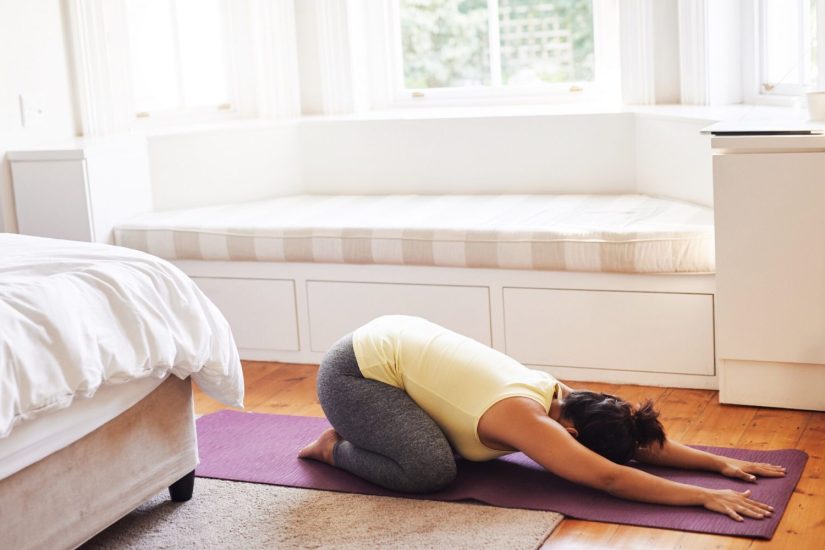
  • Take a yoga class. It doesn’t have to be from a fancy studio. Check out the local YMCA or rec center. There are lots of on-line resources for yoga too. Try one!
  • Dance to the music in your own living room. Dance with your kids! 
  • Clean the house! Do it for 15 minutes at a time. Mopping is good exercise and so is vacuuming.
  • If you sit in front of a compu all day, get up every hour and walk for 5 minutes.
  • Take the steps instead of the elevator. Park your car further away from the store so you can add a few steps.

The Benefits of Physical Activity

Research proves that the benefits of physical activity are great:

  •       Prevent chronic diseases such as heart disease, cancer, and stroke (the three leading health-related causes of death)
  •       Help manage your weight
  •       Make your muscles stronger
  •       Improves your mood
  •       Promote strong bones, muscles, and joints
  •       Condition heart and lungs
  •       Build overall strength and endurance
  •       Improve sleep
  •       Lower your chances of depression
  •       Get more energy
  •       Build your self-esteem
  •       Relieve your stress
  •       Increase your chances of living longer

Sources:  Centers for Disease Control, U.S. Department of Health and Human Services

¡Hola, Guapa!, Edición No. 8: Healthy Habits, Healthy Body, Healthy Comadres, Spanish

¡Cuídate, Mujer! Self-Care and the Modern Latina

How many times do you say “¡Cuídate, Mujer!” to your amigas and comadres?

How many times do you hear them say it to you? I hear it a lot. My comadre, Liz, almost always ends our phone calls with, “¡Cuídate, Mujer!”

The Age of Self-Care

Everyone is talking about Self-Care right now. And that’s a good thing, Comadres. 

How are you doing when it comes to self-care? Latinas are famosas for putting everyone else first. We put ourselves last. Siempre estamos cuidando a somebody else. 

At De Las Mías, we are all about inspiring you to take good care of you.

In the days of our mothers and grandmothers, when you heard some Chismosa say “ La Fulana se cuida muy bien,” it meant she had her hair and nails done. “Se cuida bien,” meant she took care of her looks and wore a girdle. Maybe she went out and bought herself new shoes or an outfit. 

For us, self-care means much more than a mani-pedi. It means genuinely taking care of your mind, body, and soul.

Physical Activity & Taking Care of Your Body

What I’m talking about today, though, is for you to think about self-care in the context of taking care of your body.

Right now, take a moment and ask yourself, “How do I take care of my body?”

Make a list. 

Does moving your body get on that list?

If you are like most Latinas, even if you know that moving that cuerpazo of yours is key to self-care, you probably don’t do it. No tienes tiempo, ni ganas. But because we want you healthy and poderosa, we want you to stop and think about taking care of your body as a vitally important part of being a healthy Super Mujer!

Here are some research-based facts to consider:

  • The U.S. Department of Health and Human Services recommends that adults ages 18 to 64 get 150 minutes of moderate activity per week. That’s about 30 minutes a day for 5 days.
  • Only 23% of all American adults meet these guidelines.
  • By some estimates, only 9% of Latinas meet these guidelines.
  • Almost half of Latinas in the U.S. report never engaging in any leisure time physical activity.

Here’s the good news: Research shows that Latinas who know others who exercise are much more likely to exercise themselves. ¡Así que dale gas, Mujer! And start hanging out with those ladies who go for walks, or Zumba, or to the gym, or dance in front of the mirror when no one is watching!

Move for 30 Minutes a Day

If you are using our Healthy Lifestyle Checklist, you will see that “Move for 30 minutes” is right there on the list for you to check off every day. 

Move for 30 minutes a day. It is one of the healthiest habits you can practice. And it doesn’t have to be hard. Here are some simple ideas:

  • Break it up in 10-minute chunks. My comadre Mary with diabetes goes for 10 minutes after each meal. This helps lower her blood sugar and makes her feel great.
  • Go for two 15-minute walks, like I do with my dog. One in the morning, one in the afternoon. Remember, it doesn’t have to be all at once.
  • Call your comadre and go for a walk n’ talk! Come on, you know you want to. Walking and talking with your comadre is good for the body and the soul!
  • Find a physical activity that gives you joy and do it for 30 minutes every day!
  • Anímate and go to Zumba! Dancing to Latin tunes is so much fun! I haven’t made it the full hour yet, but so what? I feel great when I go and the music is great! 
  • Get a bike! Go for a bike ride. It’s the closest thing to flying!
  • Take a yoga class. It doesn’t have to be from a fancy studio. Check out the local YMCA or rec center. There are lots of on-line resources for yoga too. Try one!
  • Dance to the music in your own living room. Dance with your kids! 
  • Clean the house! Do it for 15 minutes at a time. Mopping is good exercise and so is vacuuming.
  • If you sit in front of a compu all day, get up every hour and walk for 5 minutes.
  • Take the steps instead of the elevator. Park your car further away from the store so you can add a few steps.

The Benefits of Physical Activity

Research proves that the benefits of physical activity are great:

  •       Prevent chronic diseases such as heart disease, cancer, and stroke (the three leading health-related causes of death)
  •       Help manage your weight
  •       Make your muscles stronger
  •       Improves your mood
  •       Promote strong bones, muscles, and joints
  •       Condition heart and lungs
  •       Build overall strength and endurance
  •       Improve sleep
  •       Lower your chances of depression
  •       Get more energy
  •       Build your self-esteem
  •       Relieve your stress
  •       Increase your chances of living longer

Sources:  Centers for Disease Control, U.S. Department of Health and Human Services

¡Hola, Guapa!, English, Healthy Body, Healthy Comadres

Practice Mindfulness – A Simple Plan on How to Incorporate it into Your Life

What is Mindfulness?

You hear a lot about mindfulness these days. The simplest definition is that mindfulness is paying attention.  Easy to define. Difficult to practice.  You can use mindfulness in all areas of your life. Being mindful is the daily practice of becoming aware of yourself. Maybe that’s why it’s difficult: because we pay attention to ourselves last. Mindfulness includes paying attention to what your needs, what you eat, how much water you drink, how you listen, how you don’t listen, and how present you are in your life.

Mindfulness is one of the first steps in learning take better care of yourself.

delasmias-prediabetes-latina-health

A Simple  Way to Start

If you have been thinking about mindfulness, here is one mindfulness practice you can start today.  Just take a few minutes from your day and just be with yourself. Just check in with yourself and notice how you feel and how your body feels, without judgement. Practice this kind of presence of mind and body without self-criticism or put downs. Just be. With time, you will start to feel a stronger connection to yourself.

Here is a simple way to start a daily mindful meditation.  Try it for 5 minutes for the next 5 days. After a week, go for 7 minutes.  Build up to 10 minutes a day or whatever feels good and relaxing to you.

  1. Find a comfortable place. It can be a comfortable chair, your bed, the floor, a bench outside or on your porch.  Just find a place where you will have quiet and be undisturbed for 5 minutes. Sitting on a chair with your back in a relaxed but upright position is recommended, but for your first few times, you can be on your bed if that makes you feel more relaxed.
  2. Take a 2-3 deep breaths and notice your body. Notice how it feels against the chair or how your back feels against the bed.  Notice other parts of your body.  Relax your hands.  Think of your feet, and take a breath and relax them.  Let go of the tension in your legs and your arms.
  3. Notice your surroundings.  What do you hear?  Pay attention to what you hear for a few seconds and keep breathing in a relaxed way.
  4. Now pay attention to your breath. Just breathe in and out naturally and notice how it feels.  Does your chest move or does your abdomen move up and down when you breathe? Just notice and keep breathing.
  5. Just be in your body, noticing your breath and being aware of what sensations you feel. You may notice that thoughts come in, like you have to wash your clothes today or you need an onion from the grocery store. When thoughts come in just say to yourself, “Thinking, thinking, thinking.”  Don’t fight the thoughts but just let them go through you as you breathe out.
  6. Do this for 5 minutes, just being aware and mindful of your breath and your body. When you are ready, open your eyes and thank yourself for taking this important step towards practicing mindfulness.
  7. Do this practice daily and let it be a healthy habit.  You will see that you feel more relaxed and present in your life and ready to tackle anything that comes your way.

Mindfulness can be a pathway to better health and at De Las Mías we are all about THAT!

Do you already have a mindfulness practice?  Share it here with your friends and comadres…

¡Hola, Guapa!, ¡Hola, Madrina!, English, Healthy Comadres

The journey of a Latina-founded health tech startup


Poco a Poco — A little bit at a time…how we got to the iOS App Launch


With the launch of the De Las Mías iOS app on the App Store, I’m reflecting back on the last 4 years and how much we have accomplished. When my mom and I founded De Las Mías we were confident we knew how to build a community, share our expertise in bilingual health education, and ultimately create a business that would positively impact the health and wellness of Latinas across this country. But what we did not know was A LOT. And, in particular we did not know a lot about building apps.

We did not start out this process thinking we were going to build an app. We started this process designing a solution to a problem, specifically the lack of culturally engaging health information and healthy living tools for Latinas. Our discovery process brought us to the solid realization, that what today’s Latinas needed to help them on their journey to a healthier life was an engaging experience they could have at their fingertips to use on a daily basis. Enter the Smartphone and the fact that Latinas are early adopters and robust users of Smartphones, social media and the internet to access health information online. Here is what we call the “DUH”  moment. That epiphany, obvious as it was, launched us on the journey to build a better healthy lifestyle app for Latinas.

And we are still learning. Every. Single. Day.

One of the biggest take-aways is: It’s all about the TEAM. I may not know how to build an app, but I know how to find people who do! We knew from the beginning we needed a solid team.

With a fantastic opportunity in the shape of a highly competitive grant from the National Institutes of Health and National Cancer Institute Small Business Innovation Research (NIH-NCI SBIR), we built a terrific team of health researchers, obesity experts, nutritionists, exercise physiologists, digital strategists, and bilingual health communications experts. We found top-notch developers and UX/UI designers. And then we did a ton of user testing and conducted a randomized trial with nearly 200 bilingual Latinas in Albuquerque, New Mexico.

And we did it! We created the first-ever healthy lifestyle app specifically designed for Latinas!


Here’s a brief timeline of what it took to create De Las Mías and the tools you see today:

    • 2015: Awarded a SBIR grant from NIH-NCI  – America’s Seed Fund!

    • 2016: Built v1 of the Android app

    • 2017 to 2018: Conducted a 9-month-long randomized trial testing the Android app with 200 bilingual Latinas in Albuquerque, NM (The women in this study were our greatest teachers and we learned SO much!)

    • 2018: Took ALL THAT, iterated the heck out of it (No Foolin’), and created a better version of the De Las Mías Android app. And oh yeah, built a bilingual website to go with it. Published and continue to publish all our content in English and Spanish. (No biggie!)

    • 2019: Built the next, always-improving-version of the app only this time for all those iPhone user Super Mujeres!

    • (Phew!)


This has been and continues to be a dream come true. Come on! Who gets to have a crack at solving a problem that is going to make the world a better place for Latinas and their familias? We do!

Huge kudos and thanks to the National Institutes of Health and the National Cancer Institute (NCI Grant # 4R44CA177037-02), and to the State of Oregon’s Business Development Department who provided us with an SBIR matching grant funded in part by the Oregon State Lottery funds.

As we continue to grow and improve De Las Mías, research, user testing and a customer-centered approach will always be central to how we develop products, content and the platform. Audience-Centered Design is simply part of our DNA.

We are committed to presenting our community with the latest research and tools that make sense to us as Latinas. We will continue to use proven, evidence-based approaches to help Latinas live happier, healthier lives. And to make sure we are always in step with our community, we will continue to go out into the places Latinas live, work and play to ask you what’s working and what’s not working. We want to know how we can help you, your familia and ultimately Nuestra Comunidad.

There’s a reason we call this De Las Mías and that is because we are on this camino together. We belong together on this quest. Poco a poco. Paso a paso.


¡Unidas for a Healthy Life!


Healthy Body, Healthy Comadres, Healthy Family, Latina Community

How to Manage Stress to Prevent Emotional Distress


How is stress affecting your life? Chances are, if you’re reading this blog, you’re concerned about how stress is affecting your life. Long term stress is not good for us, nor for our families and loved ones.  

We recently posted a blog on Cortisol and Toxic Stress and how this hormone, now called the stress hormone, can affect your weight and even your relationship with food. (Cravings, anyone?)

So although we started our conversation about stress, I want to go back  to it, to continue to shine some light on it. In this article, we take  take a deeper dive into how stress can turn into distress, and how we might challenge ourselves to “cambiar el chip,” and take better care of ourselves.

What is Stress? A simple definition of stress is that it is our body’s reaction to change. All of us have stress; it is a universal human condition. But what about when stress turns into distress? And what about when being in distress is your new normal?  Do you feel irritable and tense a lot of the time? Do you have trouble sleeping at night or do you feel like you sleep too much? Do you feel like you are in a constant state of “nervous?” Does this sound like you? You might be experiencing what psychologists call “emotional distress.”   

In their excellent book on change, Changing for Good, A Revolutionary Program for Overcoming Bad Habits and Moving Your Life Positively Forward, Prochaska and his colleagues, Drs. Norcross and DiClemente, talk about emotional distress as the “fever of mental health,” and when I read it being described in that manner, it made perfect sense to me.  

I remember my tías talking about their friends or relatives who were going through hard times…“Pobre, Gloria, she has suffered so much.” They would worry that Tía Gloria could get sick from suffering so much. Often, you would hear them say things like, “Le puede hacer daño al corazón.” (Fear that her suffering could harm her heart.)  And those of us in the younger generation would roll our eyes, at what we perceived to be an Old Mexican Wives’ Tales. But now research is telling us exactly what our elders told us, and that is that long-term stress, AKA suffering, can make us physically and/or mentally sick.

Latinas are used to aguantar, putting up with unpleasant life events just to keep on keeping on. We are experts at putting a positive spin on things. Often, we are the rock of the family and rocks are strong and sometimes indestructible. But as resilient as we are, it is important to open our eyes and take a good look at what is really going on so we can manage our stress and prevent it from becoming distress. Call it long term stress, toxic stress, distress or sufrimeiento. Whatever you call it, this kind of emotional turmoil can lead to more serious problems such as anxiety and depression.  

We come from a culture that denies a lot of things when things go wrong. We pretend that everything is okay when it’s not. Nos hacemos de la vista gorda. (Vista gorda doesn’t mean your vision is fat. It’s a colorful expression that means to “to turn a blind eye.”)

We go into denial. And sometimes, Comadres, we need a little garden variety denial to get us through the day. But today, I just want to nudge you a little bit to get you to pay attention to your stress levels.

When stress turns into distress, it’s bound to wear you out and wear you down. When this happens, we cope in the best ways we can, but it’s not always pretty, nor healthy.  

I don’t know about you, but when I get stressed to my limit, I want cake. (Preferably chocolate cake. There is a great bakery in Santa Fe – The Chocolate Maven – and when I get stressed, my car knows the way. When I’m in Portland, I ride my bike to the bakery and that always feels more righteous.) And look, who can deny that once-in-a-while, cuando ya no aguantas, indulging in a piece of cake, ain’t going to kill you.  

But the important point here is that cake is a mean mother. She can turn on you if you don’t watch it. One minute she’s telling you, “There, there,” and the next, she’s telling you “You’re a bad girl and deserve to be punished.”

Eating cake to manage distress is not “sustainable.” Over time, eating cake, or taking a few extra shots of tequila, mezcal or even a few more of those femmy margaritas, to cope with stress, is going to make you feel worse.

I tell you this because I know.

So, in keeping with the topic of self-acceptance, I want to gently remind you that the first step in managing your stress in a healthy way is to accept what it is. Shine a little light on it and accept it without judgement. Accept that sometimes when you are in distress, you may do things that are just plain unhealthy. Take your next step from a place of self-acceptance, without judgement and move on.

“Paso por paso,” is one of our favorite dichos at De Las Mías, and it works very well with managing your stress.

So, in the spirit of shining a gentle light on distress, see if you can’t come to terms with what is really going on. We want you awake and aware so you can take better care.

Moving forward, recognize the tell-tale signs of stress from the National Institute of Mental Health:

  • Trouble sleeping
  • Drinking more alcohol
  • Overeating
  • Feeling moody or cranky
  • Having low energy
  • Feeling down in the dumps


Use these tell-tale signs of stress to take extra care of yourself. Here are 9 things that mental health experts recommend for taking better care of yourself in times of stress:

  1. Get regular exercise. A simple 30-minute walk will do wonders. It can lift your spirits and often change your mood.  
  2. Eat well. When you are in a state of emotional distress, the last thing you need is a crazy diet. Nurture your body with good healthy food and cut back on sugars and junk food. (Start using our Healthy Lifestyle Checklist available on our App!)
  3. Have fun. This seems obvious, but you would be surprised how many of us just stop having fun when we’re stressed out. Make a list of all the things you do for fun and do as much as you can to cheer yourself up.
  4. Practice deep relaxation and/or meditation. Be mindful of the tension you hold in your body and letigo.
  5. Protect yourself from people who criticize you or put you down. It’s okay to avoid mean people. You know who they are.
  6. Don’t believe everything you think. When we’re beyond stressed, distress can impair your thinking. Distress es muy mentiroso…it can make you think things that are just not true. Be especially aware of self-put downs or mean things you tell yourself. Don’t believe it.
  7. Drink water. As you drink it, become aware that you are doing a loving thing for yourself.
  8. Ask for support. Reach out to your friends, comadres and sisters and share your feelings.
  9. Reward yourself when you do any of these 9 things. And then reward yourself for rewarding yourself. ¡Eso!


Sometimes, long-term stress turns into emotional distress.

Signs of Emotional Distress

When long-term stress turns into emotional distress, we need to watch for signs of depression.  

Recognize the signs of depression: If you have 2-3 of these signs over a period of 2 weeks or more, it’s time to get some help.  Talk to your doctor, clergy or mental health counselor if you experience 2-3 of these signs for more than two weeks.

  • Feeling sad
  • Trouble sleeping
  • Sleeping too much
  • Feeling like nothing is fun or enjoyable
  • Feeling low energy
  • Not feeling hungry
  • Overeating
  • Trouble concentrating
  • Feeling hopeless
  • Feeling like life is not worth living

Emotional stress can sometimes turn into anxiety.  

Recognize the signs of anxiety. Here are some signs of anxiety that you can watch for.  Talk to your doctor, clergy or mental health counselor if you experience 2-3 of these signs for more than two weeks.

  • Constant or on-going worrying
  • Feeling like you can’t relax
  • Feeling irritable, moody, jumpy, or nerviosa
  • Trouble sleeping
  • Fears: like fear of the dark, fear of being alone, fear of crowds
  • Heart symptoms like fast heartbeat, chest pains, tightness of chest

If you ever feel like you want to hurt yourself or have suicidal thoughts, please call this number: Call 1-800-273-8255. National Suicide Prevention Lifeline. Available 24 hours every day.

Spanish: 1-888-628-9454


Sources:

Prochaska, Norcross, and DiClemente. Changing for Good, A Revolutionary Program for Overcoming Bad Habits and Moving Your Life Positively Forward.  Quill – HarperCollins. 2002.

The National Institute of Mental Health: http://www.nimh.nih.gov. 5 Things You Should Know About Stress. Retrieved 2/10/2019.

Kroenke, K., Spitzer, R., & Williams, J. (2001). The PHQ-9 validity of a brief depression severity measure. J GEN INTERN MED, 16, 606-613.

Maier, et. al. The Hamilton Anxiety Scale: reliability, validity and sensitivity to change in anxiety and depressive disorders. Journal of Affective Disorders. Volume 14, Issue 1, January–February 1988, Pages 61-68


¡Hola, Guapa!, English, Healthy Comadres

The Journey of a Latina Changemaker

changemakers1

The journey of being a Latina entrepreneur can sometimes be a lonely road. And that’s why when I first came across #WeAllGrow Latina Network I knew immediately these super mujeres were mi gente!

#WeAllGrow Latina is a community of jefas “using social influence collectively to empower each other and grow.” Who can’t get behind that message?! To further support their mission to help Latinas empower each other and grow, #WeAllGrow launched a membership-based online community called Changemakers. I leaped at the chance to connect with fellow Latina entrepreneurs. And it has been so valuable connecting with other jefas, sharing resources, and supporting one another.

I was honored when Claudya Martinez from #WeAllGrow reached out to do a member spotlight on me for Changemakers. The interview below was published on Changemakers Collective on July 31, 2018.

Describe what you do in 100 words or less:

De Las Mías is a bilingual healthy lifestyle community built for Latinas by Latinas. My mom and I founded De Las Mías to help positively impact the lives of Latinas and our community. We provide evidence-based information to help Latinas help themselves, their comadres, friends and family lead healthier lives. We are body positive, food positive and love being Latinas at any size.

Why do you do what you do?

We all know the prevalence of diabetes, heart disease and other chronic conditions among our comunidad. We see first hand how these lifestyle diseases negatively impact our families. My mom and I want to change that story.

With my mom’s expertise in bilingual and bicultural health communications and my business know-how, we are determined to create THE go-to community for Latinas, where we find like-minded women, striving for healthier, more joyful lives for ourselves and our families.

I hope someday when my daughter is pursuing and achieving her dreams that she’ll look back and see what I saw in my own mom: a badass #chingona, being her own boss, following her passion and applying her skills to help her community, all while creating a better life for herself, and the next generation.

What inspired you to become a Changemaker in your own life and start your own business?

Simple. Mis padres. Growing up I had a different example of how to be a working parent. For as long as I can remember, my mom had her own business and worked from home, and my dad for many years was self-employed. I know this approach came with other challenges and sacrifices, but looking back I remember one of my parents always being there.

After more than a decade in a traditional 9-to-5 job, I saw people around me sacrificing time with family, ignoring selfcare, being overworked and overbusy, and I wanted to do it differently.

De Las Mías presented a once-in-a-lifetime opportunity to learn from and work with one of the wisest women I know–my mom. And I knew that with our powers combined we could accomplish something truly special and create lasting impact for Latinas.

What is your heritage and how does it impact your work?

I’m Mexican-American–my parents are from Ambos Nogales. My mom was born on the Mexican side and my dad on the American. Growing up in Santa Fe, New Mexico I was surrounded by people with strong cultural pride–from the old Hispanic families who can trace lineage to the conquistadores to the Native people who were here before any of us.

At De Las Mías cultural pride is a central value. It’s connected to everything we do. For instance, we don’t just think you can make Mexican food in a healthful way. We KNOW our food IS healthy. Or when it comes to body image, there’s something in social science called a protective factor and our cultural identity can protect us from the distorted body images that are portrayed in the media.

My work with De Las Mías has allowed me to share my cultural pride in a way I never imaged.

What is the best piece of business advice you’ve ever been given?

We have now embarked on the harrowing journey to find investors so that we can continue to grow De Las Mías and achieve lasting impact for Latinas. The best advice we’ve received is to ask potential investors for advice not money. Our mentor said, “If you want money, ask for advice. And if you want advice, ask for money.”

What’s been your biggest accomplishment so far this year?

Incubating a baby and a business! At the start of 2018, we launched the De Las Mías Android app, our bilingual website, we joined two different incubators AND I was 7 months pregnant. A LOT has happened in the last seven months!

If you could host a dinner party with three of your Latinx role models who would they be and what would you serve?

The women in my family are pretty incredible. They’re ambitious and they get stuff done! My Tía Sally was a political appointee in the Obama administration, she got her Phd in her 50s, and recently ran for a congressional seat in Arizona. My godmother is a spiritually evolved human, master teacher, and scholar. And last but not least my mom who is an entrepreneur, small business owner, and an independent, strong, opinionated, and funny woman. I’d serve mole poblano, black beans and green rice with chocolate cake for dessert (you can never have too much chocolate).

What’s one small thing we can all do to help move you forward today?

If you have an Android phone, please download the De Las Mías app and let us know what you think! Honestly. We’re always looking for feedback and ways to improve it. We built it for you and we want it to meet your needs!

Healthy Body, Healthy Comadres

Self-Acceptance

Can We Talk About Self Acceptance? Look, we know the majority of us Latinas are overweight. And we know that being overweight and/or obese puts us at higher risk of prediabetes and diabetes. What you may not know is that it also puts us at risk for heart disease and even some cancers. Not to mention self-judgement, self-loathing and yo-yo dieting.

But how much good has it done for us to hate ourselves and go on stupid diets that don’t work? NADA.

¡YA! Enough. At De Las Mías we want you to do something different. It’s time to cambiar el chip. We want you to strive for living a healthier and more joyful life. By making small, healthy changes over time, we are sure you will be happier, healthier and much better off. And rather than beating yourself up and taking extreme measures that don’t work, we encourage you to take this approach and look at your health as a journey.

And believe us, it is a journey. Paso a paso, we will get to our destination:

Una vida más saludable that affirms our authentic selves.

So if you’re just joining us or if you’re already well on your way to a healthier, happier life, we challenge you to incorporate a novel concept into your journey…this novel concept is called Self-Acceptance.

Self- Acceptance 

Self-Acceptance means that you embrace yourself as you are now, without any judgements or criticism. Accept the good with the not so good; the good, the bad and the ugly como el Clint Eastwood.

Not so easy, for us criticonas, right? And if you are a perfectionist, may la virgencita have mercy on you, because self-acceptance is a very hard concept for those of us who criticize too much.

La neta, the truth is, that many of us are just not that kind to ourselves. How many times have you called yourself “tonta”? Be honest. How many times have you heard that little voice inside your head call you dumb, mensa, awkward, clumsy or fat? We are used to living in this good girl, bad girl world. Are you being good when you eat a salad and bad when you eat a donut? Can we just stop that please? Can we separate what we do from who we are?

Accept Yourself as You Are 

We want to challenge you to accept yourself as you are, without judgement, insults or dirty looks in the mirror. No exceptions.  

Here’s an old dicho from Pedro Infante, Mexican film icon and singer, that you may have heard. It was part of a song he sang to impress the ladies: “Soy quien soy y no me parezco a nadie.” It’s a bit like Popeye’s “I yam what I yam.” It means you are you and you aren’t like anyone else. And when you say that, “Soy quien soy,” you claim your uniqueness and your self-acceptance. ¡Eres, única! Embrace it and yourself as you are now, ¡Y ya!

Psychologists and human behavior experts, such as Dr. Pillay from Harvard University Medical School, are discovering the importance of self-acceptance as a foundation to general well-being and good mental health. New research is starting to prove that in order to make healthy changes, it is important that you start with the good foundation of self-acceptance.

Self-Acceptance Doesn’t Mean You Can’t Change

There is an important distinction that I want to make here. Practicing self-acceptance does not mean that you don’t want to change something or make improvements in how you live your life. But self-acceptance is a healthy foundation from which you can grow and change.  

To embark on your odyssey to self-acceptance, I’m offering some tips from positive psychology that you can take on your journey. Try this:

Learn to separate what you do from what you are. Those of you who are moms know this best. When you’re hijita does something bad, it doesn’t mean she’s bad. Making a mistake doesn’t make her a mistake. You just need to help her do better next time. Channel your own best mom and give yourself a break.  

Use Self-Acceptance to Get Yourself Out of Denial.

This is an important point for those of us who have a problem with overeating or eating to satisfy emotional hunger. In an earlier blog, I shared with you a trick that I learned to assess if I was emotionally hungry or physically hungry and I want to share it with you again. If I feel hungry and reach for a healthy snack like a handful of almonds, a yogurt or a pepino con chilito, and I feel satisfied, I know that I was physically hungry. If after my healthy snack, I still feel hungry, it’s a good bet that I am eating to feed an emotional hunger. When you make this discovery, just take it in without judgement. This is good information, a data point. Once you accept that you eat for emotional reasons, you can look for ways to change that habit. If you never accept this as something you do, you will keep repeating it. Self-acceptance is fueled by self-awareness. Awareness is always a good place to start.

Practice Mindfulness

You hear a lot about mindfulness these days. You can use mindfulness in all areas of your life. Basically, mindfulness is paying attention. It is becoming aware of yourself. It is paying attention to what you eat, how you listen, how you don’t listen, and how present you are in your own life.  

One mindfulness practice is to take a few minutes and just be with yourself. Simply observe how you feel and how your body feels, without judgement. Practice this kind of presence of mind and body without self-criticism or put downs. With time, you will start to feel a stronger connection to yourself.   

There is mounting evidence that self-acceptance can lead us to self-care, stronger self-esteem and better health. And at De Las Mías we are all about THAT!

Can you commit to self-care and showing yourself some Amor Propio?   

It can start with you doing nice things for yourself, like getting a massage, eating healthy food, drinking more water, going for a walk, meditating, asserting yourself, speaking up,  saying no when you mean no, and yes when you mean yes.

There are hundreds of ways to show ourselves acceptance and self-love and I want to challenge you to start practicing Amor Propio.
 

A Personal Story of Self-Love: Amor Propio

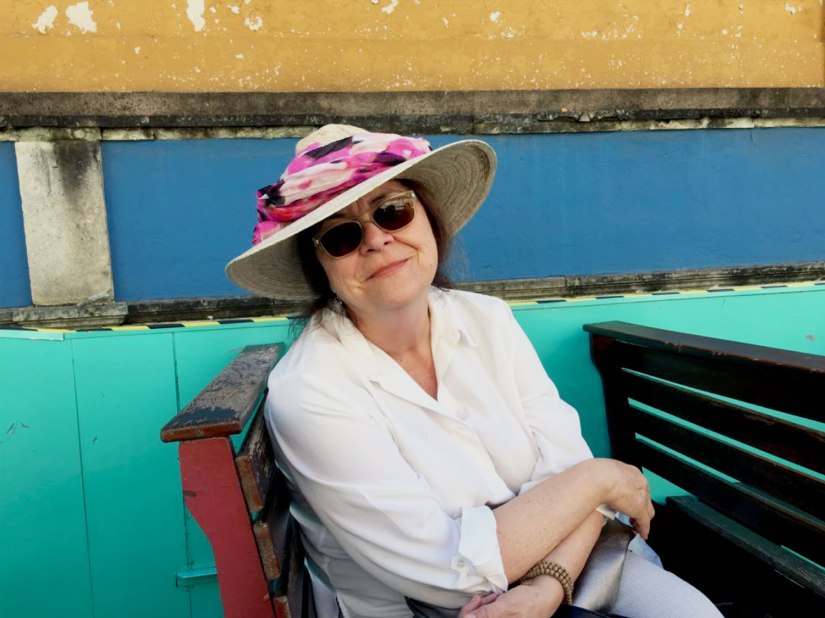
I want to share a personal part of my story with the hope that it may speak to you: I was born fat. I weighed 12 pounds 6 ounces when I was born in El Hospital Del Socorro in Nogales, Sonora, Mexico. I grew up fat until I got amoebas. Then, I was skinny for about a month until my mom and tías figured it out. They put on some kind of tratamiento and I got fat again. In school, because I was fat and tall, my friends used to call me Giant. My cousins called me Gorda; the ones who liked me called me Gordis. My mom, who thought being thin was next to godliness, had me on a diet until I was 18.  She was an early adopter of the Atkins Diet, and she had an eating disorder. Her favorite piece of advice was, “Ya no comas pan.” (Don’t eat bread, already.)

Whatever was going on there, let’s just say that bread was not my enemy. With the help of a well-intentioned mother, I grew up with a messed up body image and a list of forbidden foods. Even at 17 years old, weighing 140 pounds and a 5’7” frame, I still felt fat. I still thought that chocolate, tortillas, tamales, and bread were out to get me. At one point, I had a sign on the refrigerator that said, “Oreo cookies are the road to hell.”

It wasn’t until I hit my late 30s and found a therapist that I began to understand that what I needed more than Thin Within, Weight Watchers, Atkins, South Beach, Low Carb, No Carb, Slimfast or even Overeaters Anonymous, was Self-Love. ¡Amor Propio!  That is what I needed and that is what I got, but it only took me 40 years.

So I’m hoping that my combination of disordered eating, messed up body image and a first class education in health education will help you avoid all those trampas and come out of it less beat up than I did.  

So, as you read this, I just want you to pretend that I am your maestra, your madrina, or your loving tía who loves you just the way you are. And this is your homework:

Make a list of things you can do for yourself that show you some Amor Propio.

¡Andale! Share your list with me at ana@delasmias.com and I will send you a surprise!

Just to get you started here’s my list. The things I do for love – self-love that is!

  1. Me compro flores. Each week, I buy myself flowers. En el Safeway, they cost about 6 or 7 bucks. Carnations last the longest and they smell good and come in all colors.
  2. In the summer, I grow my own dahlias, hydrangeas, roses and zinnias. Se siente bien suave, to put fresh flowers, that you grew yourself, into a pretty vase.  
  3. I ride my bici every chance I get. I love myself on my bike, girl! I ride, rain or shine. No rain shower keeps me from my bici. And when I ride, I give that little girl, the one that used to be called Gorda a run for her money. I sing to myself while I ride. I really do. It’s super fun. (This little light of mine…)
  4. I tell my legs how much I love them! I got some pretty bitchin legs. I’ll tell you what! Riding 5 to 7 miles a day on a bike will do that to a Super Mujer.
  5. I eat vegetables, Sisters! Show your body some serious love by eating fruits and veggies. Learn how to make yourself a Jugo Verde and love yourself before you start your day.
  6. I drink a boat load of water. Yeah, such a simple act of self-love. Take a page from our Creative Director, Shannon, and by yourself a beautiful water bottle and fill it with Amor Propio infused H2O. Make it count = 6 glasses.
  7. No como comida chatarra. I don’t put junk food in my body…unless I’m on a road trip (Fanta and Cheetos!) But that is so rare, Poquito Porque Es Bendito!  
  8. I look for people who laugh at my jokes. I call my seester every day and we make each other laugh. Miriam makes me laugh and Sati just cracks me up. Liz, being from Nogales, gets me like no one else does.
  9. I make myself reach out! Sometimes I’m so busy pretending that I’m la mera mera fregona that I can take it in the chin like the machita that I am, and I go it alone. It don’t work. Call your comadre and tell her what’s going on in that heart of yours. Make sure she’s a kindred spirit so you don’t get hurt.
  10. I treasure my sleep and don’t deprive my body of its magic.

So what do you do for self-love?

Make a list. Share it with me at ana@delasmias.com and I’ll send you a cariñito!


Sources:

Pillay, Srini, MD. Greater self-acceptance improves emotional well-being. https://www.health.harvard.edu/blog/greater-self-acceptance-improves-emotional-well-201605169546

University of Hertfordshire. “Self-acceptance could be the key to a happier life, yet it’s the happy habit many people practice the least.” ScienceDaily. ScienceDaily, 7 March 2014. <www.sciencedaily.com/releases/2014/03/140307111016.htm>.

 

¡Hola, Guapa!, Edición No. 7: Change, English, Healthy Body, Healthy Comadres

How to Manage Stress to Prevent Emotional Distress

self-care

How is stress affecting your life? Chances are, if you’re reading this blog, you’re concerned about how stress is affecting your life. Long term stress is not good for us, nor for our families and loved ones.  

We recently posted a blog on Cortisol and Toxic Stress and how this hormone, now called the stress hormone, can affect your weight and even your relationship with food. (Cravings, anyone?)

So although we started our conversation about stress, I want to go back  to it, to continue to shine some light on it. In this article, we take  take a deeper dive into how stress can turn into distress, and how we might challenge ourselves to “cambiar el chip,” and take better care of ourselves.

What is Stress? A simple definition of stress is that it is our body’s reaction to change. All of us have stress; it is a universal human condition. But what about when stress turns into distress? And what about when being in distress is your new normal?  Do you feel irritable and tense a lot of the time? Do you have trouble sleeping at night or do you feel like you sleep too much? Do you feel like you are in a constant state of “nervous?” Does this sound like you? You might be experiencing what psychologists call “emotional distress.”   

In their excellent book on change, Changing for Good, A Revolutionary Program for Overcoming Bad Habits and Moving Your Life Positively Forward, Prochaska and his colleagues, Drs. Norcross and DiClemente, talk about emotional distress as the “fever of mental health,” and when I read it being described in that manner, it made perfect sense to me.  

I remember my tías talking about their friends or relatives who were going through hard times…“Pobre, Gloria, she has suffered so much.” They would worry that Tía Gloria could get sick from suffering so much. Often, you would hear them say things like, “Le puede hacer daño al corazón.” (Fear that her suffering could harm her heart.)  And those of us in the younger generation would roll our eyes, at what we perceived to be an Old Mexican Wives’ Tales. But now research is telling us exactly what our elders told us, and that is that long-term stress, AKA suffering, can make us physically and/or mentally sick.

Latinas are used to aguantar, putting up with unpleasant life events just to keep on keeping on. We are experts at putting a positive spin on things. Often, we are the rock of the family and rocks are strong and sometimes indestructible. But as resilient as we are, it is important to open our eyes and take a good look at what is really going on so we can manage our stress and prevent it from becoming distress. Call it long term stress, toxic stress, distress or sufrimeiento. Whatever you call it, this kind of emotional turmoil can lead to more serious problems such as anxiety and depression.  

We come from a culture that denies a lot of things when things go wrong. We pretend that everything is okay when it’s not. Nos hacemos de la vista gorda. (Vista gorda doesn’t mean your vision is fat. It’s a colorful expression that means to “to turn a blind eye.”)

We go into denial. And sometimes, Comadres, we need a little garden variety denial to get us through the day. But today, I just want to nudge you a little bit to get you to pay attention to your stress levels.

When stress turns into distress, it’s bound to wear you out and wear you down. When this happens, we cope in the best ways we can, but it’s not always pretty, nor healthy.  

I don’t know about you, but when I get stressed to my limit, I want cake. (Preferably chocolate cake. There is a great bakery in Santa Fe – The Chocolate Maven – and when I get stressed, my car knows the way. When I’m in Portland, I ride my bike to the bakery and that always feels more righteous.) And look, who can deny that once-in-a-while, cuando ya no aguantas, indulging in a piece of cake, ain’t going to kill you.  

But the important point here is that cake is a mean mother. She can turn on you if you don’t watch it. One minute she’s telling you, “There, there,” and the next, she’s telling you “You’re a bad girl and deserve to be punished.”

Eating cake to manage distress is not “sustainable.” Over time, eating cake, or taking a few extra shots of tequila, mezcal or even a few more of those femmy margaritas, to cope with stress, is going to make you feel worse.

I tell you this because I know.

So, in keeping with the topic of self-acceptance, I want to gently remind you that the first step in managing your stress in a healthy way is to accept what it is. Shine a little light on it and accept it without judgement. Accept that sometimes when you are in distress, you may do things that are just plain unhealthy. Take your next step from a place of self-acceptance, without judgement and move on.

“Paso por paso,” is one of our favorite dichos at De Las Mías, and it works very well with managing your stress.

So, in the spirit of shining a gentle light on distress, see if you can’t come to terms with what is really going on. We want you awake and aware so you can take better care.

Moving forward, recognize the tell-tale signs of stress from the National Institute of Mental Health:

  • Trouble sleeping
  • Drinking more alcohol
  • Overeating
  • Feeling moody or cranky
  • Having low energy
  • Feeling down in the dumps


Use these tell-tale signs of stress to take extra care of yourself. Here are 9 things that mental health experts recommend for taking better care of yourself in times of stress:

  1. Get regular exercise. A simple 30-minute walk will do wonders. It can lift your spirits and often change your mood.  
  2. Eat well. When you are in a state of emotional distress, the last thing you need is a crazy diet. Nurture your body with good healthy food and cut back on sugars and junk food. (Start using our Healthy Lifestyle Checklist available on our App!)
  3. Have fun. This seems obvious, but you would be surprised how many of us just stop having fun when we’re stressed out. Make a list of all the things you do for fun and do as much as you can to cheer yourself up.
  4. Practice deep relaxation and/or meditation. Be mindful of the tension you hold in your body and letigo.
  5. Protect yourself from people who criticize you or put you down. It’s okay to avoid mean people. You know who they are.
  6. Don’t believe everything you think. When we’re beyond stressed, distress can impair your thinking. Distress es muy mentiroso…it can make you think things that are just not true. Be especially aware of self-put downs or mean things you tell yourself. Don’t believe it.
  7. Drink water. As you drink it, become aware that you are doing a loving thing for yourself.
  8. Ask for support. Reach out to your friends, comadres and sisters and share your feelings.
  9. Reward yourself when you do any of these 9 things. And then reward yourself for rewarding yourself. ¡Eso!

Sometimes, long-term stress turns into emotional distress.

Signs of Emotional Distress

When long-term stress turns into emotional distress, we need to watch for signs of depression.  

Recognize the signs of depression: If you have 2-3 of these signs over a period of 2 weeks or more, it’s time to get some help.  Talk to your doctor, clergy or mental health counselor if you experience 2-3 of these signs for more than two weeks.

  • Feeling sad
  • Trouble sleeping
  • Sleeping too much
  • Feeling like nothing is fun or enjoyable
  • Feeling low energy
  • Not feeling hungry
  • Overeating
  • Trouble concentrating
  • Feeling hopeless
  • Feeling like life is not worth living

Emotional stress can sometimes turn into anxiety.  

Recognize the signs of anxiety. Here are some signs of anxiety that you can watch for.  Talk to your doctor, clergy or mental health counselor if you experience 2-3 of these signs for more than two weeks.

  • Constant or on-going worrying
  • Feeling like you can’t relax
  • Feeling irritable, moody, jumpy, or nerviosa
  • Trouble sleeping
  • Fears: like fear of the dark, fear of being alone, fear of crowds
  • Heart symptoms like fast heartbeat, chest pains, tightness of chest

If you ever feel like you want to hurt yourself or have suicidal thoughts, please call this number: Call 1-800-273-8255. National Suicide Prevention Lifeline. Available 24 hours every day.

Spanish: 1-888-628-9454


Sources:

Prochaska, Norcross, and DiClemente. Changing for Good, A Revolutionary Program for Overcoming Bad Habits and Moving Your Life Positively Forward.  Quill – HarperCollins. 2002.

The National Institute of Mental Health: http://www.nimh.nih.gov. 5 Things You Should Know About Stress. Retrieved 2/10/2019.

Kroenke, K., Spitzer, R., & Williams, J. (2001). The PHQ-9 validity of a brief depression severity measure. J GEN INTERN MED, 16, 606-613.

Maier, et. al. The Hamilton Anxiety Scale: reliability, validity and sensitivity to change in anxiety and depressive disorders. Journal of Affective Disorders. Volume 14, Issue 1, January–February 1988, Pages 61-68

¡Hola, Guapa!, Edición No. 7: Change, English, Healthy Body, Healthy Comadres

Self-Acceptance

Can We Talk About Self Acceptance? Look, we know the majority of us Latinas are overweight. And we know that being overweight and/or obese puts us at higher risk of prediabetes and diabetes. What you may not know is that it also puts us at risk for heart disease and even some cancers. Not to mention self-judgement, self-loathing and yo-yo dieting.

But how much good has it done for us to hate ourselves and go on stupid diets that don’t work? NADA.

¡YA! Enough. At De Las Mías we want you to do something different. It’s time to cambiar el chip. We want you to strive for living a healthier and more joyful life. By making small, healthy changes over time, we are sure you will be happier, healthier and much better off. And rather than beating yourself up and taking extreme measures that don’t work, we encourage you to take this approach and look at your health as a journey.

And believe us, it is a journey. Paso a paso, we will get to our destination:

Una vida más saludable that affirms our authentic selves.

So if you’re just joining us or if you’re already well on your way to a healthier, happier life, we challenge you to incorporate a novel concept into your journey…this novel concept is called Self-Acceptance.

Self- Acceptance 

Self-Acceptance means that you embrace yourself as you are now, without any judgements or criticism. Accept the good with the not so good; the good, the bad and the ugly como el Clint Eastwood.

Not so easy, for us criticonas, right? And if you are a perfectionist, may la virgencita have mercy on you, because self-acceptance is a very hard concept for those of us who criticize too much.

La neta, the truth is, that many of us are just not that kind to ourselves. How many times have you called yourself “tonta”? Be honest. How many times have you heard that little voice inside your head call you dumb, mensa, awkward, clumsy or fat? We are used to living in this good girl, bad girl world. Are you being good when you eat a salad and bad when you eat a donut? Can we just stop that please? Can we separate what we do from who we are?

Accept Yourself as You Are 

We want to challenge you to accept yourself as you are, without judgement, insults or dirty looks in the mirror. No exceptions.  

Here’s an old dicho from Pedro Infante, Mexican film icon and singer, that you may have heard. It was part of a song he sang to impress the ladies: “Soy quien soy y no me parezco a nadie.” It’s a bit like Popeye’s “I yam what I yam.” It means you are you and you aren’t like anyone else. And when you say that, “Soy quien soy,” you claim your uniqueness and your self-acceptance. ¡Eres, única! Embrace it and yourself as you are now, ¡Y ya!

Psychologists and human behavior experts, such as Dr. Pillay from Harvard University Medical School, are discovering the importance of self-acceptance as a foundation to general well-being and good mental health. New research is starting to prove that in order to make healthy changes, it is important that you start with the good foundation of self-acceptance.

Self-Acceptance Doesn’t Mean You Can’t Change

There is an important distinction that I want to make here. Practicing self-acceptance does not mean that you don’t want to change something or make improvements in how you live your life. But self-acceptance is a healthy foundation from which you can grow and change.  

To embark on your odyssey to self-acceptance, I’m offering some tips from positive psychology that you can take on your journey. Try this:

Learn to separate what you do from what you are. Those of you who are moms know this best. When you’re hijita does something bad, it doesn’t mean she’s bad. Making a mistake doesn’t make her a mistake. You just need to help her do better next time. Channel your own best mom and give yourself a break.  

Use Self-Acceptance to Get Yourself Out of Denial.

This is an important point for those of us who have a problem with overeating or eating to satisfy emotional hunger. In an earlier blog, I shared with you a trick that I learned to assess if I was emotionally hungry or physically hungry and I want to share it with you again. If I feel hungry and reach for a healthy snack like a handful of almonds, a yogurt or a pepino con chilito, and I feel satisfied, I know that I was physically hungry. If after my healthy snack, I still feel hungry, it’s a good bet that I am eating to feed an emotional hunger. When you make this discovery, just take it in without judgement. This is good information, a data point. Once you accept that you eat for emotional reasons, you can look for ways to change that habit. If you never accept this as something you do, you will keep repeating it. Self-acceptance is fueled by self-awareness. Awareness is always a good place to start.

Practice Mindfulness

You hear a lot about mindfulness these days. You can use mindfulness in all areas of your life. Basically, mindfulness is paying attention. It is becoming aware of yourself. It is paying attention to what you eat, how you listen, how you don’t listen, and how present you are in your own life.  

One mindfulness practice is to take a few minutes and just be with yourself. Simply observe how you feel and how your body feels, without judgement. Practice this kind of presence of mind and body without self-criticism or put downs. With time, you will start to feel a stronger connection to yourself.   

There is mounting evidence that self-acceptance can lead us to self-care, stronger self-esteem and better health. And at De Las Mías we are all about THAT!

Can you commit to self-care and showing yourself some Amor Propio?   

It can start with you doing nice things for yourself, like getting a massage, eating healthy food, drinking more water, going for a walk, meditating, asserting yourself, speaking up,  saying no when you mean no, and yes when you mean yes.

There are hundreds of ways to show ourselves acceptance and self-love and I want to challenge you to start practicing Amor Propio.

ana-oaxsaca

A Personal Story of Self-Love: Amor Propio

I want to share a personal part of my story with the hope that it may speak to you: I was born fat. I weighed 12 pounds 6 ounces when I was born in El Hospital Del Socorro in Nogales, Sonora, Mexico. I grew up fat until I got amoebas. Then, I was skinny for about a month until my mom and tías figured it out. They put on some kind of tratamiento and I got fat again. In school, because I was fat and tall, my friends used to call me Giant. My cousins called me Gorda; the ones who liked me called me Gordis. My mom, who thought being thin was next to godliness, had me on a diet until I was 18.  She was an early adopter of the Atkins Diet, and she had an eating disorder. Her favorite piece of advice was, “Ya no comas pan.” (Don’t eat bread, already.)

Whatever was going on there, let’s just say that bread was not my enemy. With the help of a well-intentioned mother, I grew up with a messed up body image and a list of forbidden foods. Even at 17 years old, weighing 140 pounds and a 5’7” frame, I still felt fat. I still thought that chocolate, tortillas, tamales, and bread were out to get me. At one point, I had a sign on the refrigerator that said, “Oreo cookies are the road to hell.”

It wasn’t until I hit my late 30s and found a therapist that I began to understand that what I needed more than Thin Within, Weight Watchers, Atkins, South Beach, Low Carb, No Carb, Slimfast or even Overeaters Anonymous, was Self-Love. ¡Amor Propio!  That is what I needed and that is what I got, but it only took me 40 years.

So I’m hoping that my combination of disordered eating, messed up body image and a first class education in health education will help you avoid all those trampas and come out of it less beat up than I did.  

So, as you read this, I just want you to pretend that I am your maestra, your madrina, or your loving tía who loves you just the way you are. And this is your homework:

Make a list of things you can do for yourself that show you some Amor Propio.

¡Andale! Share your list with me at ana@delasmias.com and I will send you a surprise!

Just to get you started here’s my list. The things I do for love – self-love that is!

  1. Me compro flores. Each week, I buy myself flowers. En el Safeway, they cost about 6 or 7 bucks. Carnations last the longest and they smell good and come in all colors.
  2. In the summer, I grow my own dahlias, hydrangeas, roses and zinnias. Se siente bien suave, to put fresh flowers, that you grew yourself, into a pretty vase.  
  3. I ride my bici every chance I get. I love myself on my bike, girl! I ride, rain or shine. No rain shower keeps me from my bici. And when I ride, I give that little girl, the one that used to be called Gorda a run for her money. I sing to myself while I ride. I really do. It’s super fun. (This little light of mine…)
  4. I tell my legs how much I love them! I got some pretty bitchin legs. I’ll tell you what! Riding 5 to 7 miles a day on a bike will do that to a Super Mujer.
  5. I eat vegetables, Sisters! Show your body some serious love by eating fruits and veggies. Learn how to make yourself a Jugo Verde and love yourself before you start your day.
  6. I drink a boat load of water. Yeah, such a simple act of self-love. Take a page from our Creative Director, Shannon, and by yourself a beautiful water bottle and fill it with Amor Propio infused H2O. Make it count = 6 glasses.
  7. No como comida chatarra. I don’t put junk food in my body…unless I’m on a road trip (Fanta and Cheetos!) But that is so rare, Poquito Porque Es Bendito!  
  8. I look for people who laugh at my jokes. I call my seester every day and we make each other laugh. Miriam makes me laugh and Sati just cracks me up. Liz, being from Nogales, gets me like no one else does.
  9. I make myself reach out! Sometimes I’m so busy pretending that I’m la mera mera fregona that I can take it in the chin like the machita that I am, and I go it alone. It don’t work. Call your comadre and tell her what’s going on in that heart of yours. Make sure she’s a kindred spirit so you don’t get hurt.
  10. I treasure my sleep and don’t deprive my body of its magic.

So what do you do for self-love?

Make a list. Share it with me at ana@delasmias.com and I’ll send you a cariñito!

Sources:

Pillay, Srini, MD. Greater self-acceptance improves emotional well-being. https://www.health.harvard.edu/blog/greater-self-acceptance-improves-emotional-well-201605169546

University of Hertfordshire. “Self-acceptance could be the key to a happier life, yet it’s the happy habit many people practice the least.” ScienceDaily. ScienceDaily, 7 March 2014. <www.sciencedaily.com/releases/2014/03/140307111016.htm>.