¡Hola, Guapa!, Edición No. 6: Healthy Eating, English, Healthy Body, Healthy Comadres

The Mysterious Case of a Long Latino Life

The Mystery of the Long Lives of Latinos

¿Sabías que? Latinos live longer than other groups in the U.S. And Latinas live longer than almost anyone? (Yes, I am talking about you, Comadre!)

According to the Population Reference Bureau, a non-profit organization that specializes in demographics, Latinos outlive non-Latino whites by 3 years on average.  

Long Live Latinos!

In 2014, life expectancy at birth for the U.S. Hispanic population was 81.8 years, compared with 78.8 years for the U.S. non-Hispanic white population. If you are a Latina, you are expected to live to be over 83 years of age, compared to 81 years of age for a non-Hispanic white women.

¡Imagínate! In spite of Latinos having lower income and less education than other groups in this country, we still live longer! (Strong Stuff!)

It’s a Mystery

Scientists sometimes call this life expectancy mystery the “Latino Health Paradox.”

Here are some of the clues that researchers think may solve the mysterious case of Latino longevity:

One reason that scientists think Latinos may live longer is that we don’t smoke as much as our white and black brothers and sisters. Latinas tend to smoke less than other groups and we tend to quit earlier. Since lung cancer is the number one cause of cancer deaths in this country, and we’re not smoking as much as others, we’re not dying of lung cancer at the same rate. That’s good news!

What to do: If you don’t smoke, don’t start. If you smoke, quit.

Another reason that Latinos might live longer is that many of us are immigrants, and immigrants come into this country with better health, better eating habits and more physically active than the folks who already live here. It is only after we spend a lifetime in the States that we start losing our grip on our good health and longevity. 

What to do: ¡Eat like your Abuelos! Go back to your traditional foods. ¡Qué vivan los healthy tacos! Y ¡Qué viva la ‘Mediterranean diet!’ 

Follow the De Las Mías 9 Steps to Healthy Living. Use the De Las Mías app to get healthy and stay on track. Check out our healthy lifestyle checklist in the app! It works, but only if you use it!

A third reason why we might be so tough and resilient has to do with our familias and our comunidad. Dr. Ortega, a researcher at UCLA Center for Latino Health, tells us that our mental health takes a turn for the worse as we lose our family and community connections. This is especially true for our teenagers as they become more Americanized. Hanging on to our cultura, our values, our families and our community makes us stronger and can help our children be more resilient.

Through ongoing research, we are learning that there is a direct link between long-term stress and health. We now know that having social and family support is key to managing stress and that means better mental health, for ourselves and our children.


How to preserve our longevity: Hang on to your familias for dear life! Keep on nurturing your familias, vecinos, comadres y compadres as if your health depended on it, because apparently it does!


What scientists call the “Latino Health Paradox” is a wonderful mystery that we should embrace and promote in ourselves. Be proud of it, Comadres! We are a resilient, hardworking, healthy people and we need to make the most of this gift.  

Ask yourselves:

  • What can I do to keep this mystery alive and well in myself and my familia?
  • How can I preserve this gift that has been handed down to me by my ancestors?  

And give thanks for the Latino Health Paradox!

〰️

Check out the De Las Mias app. It’s free and ready for download in the Google Play Store.  Follow us on Facebook and Instagram @delasmiaslife.

————

Sources:

Scommegna, Paola. New Studies Link U.S. Hispanics’ Longer Life Expectancy to Migration Patterns, Less Smoking. PRB – Population Reference Bureau. September 2017. https://www.prb.org/hispanics-life-expectancy-migration-patterns/

Gordon, Dan. Life in America. Hazardous to Immigrants Health? UCLA Newsroom. 2014. http://newsroom.ucla.edu/stories/life-in-america-hazardous-to-immigrants-health


¡Hola, Sabrosa!, Edición No. 6: Healthy Eating, English, Healthy Mexican Food

Embracing Our Heritage Through the Love of Food

Our Rich Heritage Embraced Through Food!

At De Las Mías, we embrace our indigenous and  our Spanish roots.There is so much history that shaped our Indo-Hispano heritage, and some of it is not so good. Oppression and colonization caused pain and suffering. And because of that, we would sometimes like to abandon our past and reject the oppressor. There is merit in rejecting oppression and in countering the negative effects of colonization. But to deny or reject our past can also cause us to reject ourselves, and we don’t want that.

We want to embrace the whole messy thing that brought us to this place, and move on.

Our Heritage and Cultural Pride

I am equally proud of being Mexicana, Chicana, Latina as I am to be Española. I love that my Papá Pepe, my Spanish grandfather, left Spain by himself when he was 13 years old to come to ‘Hacer la America.’ And I’m proud that my Nana Concha, with her Yaqui roots, lived and struggled in a small village in the State of Sonora. This is my heritage and I am proud of it. 

I embrace the traditional and healthy Mexican way of eating, as well as the Mediterranean way of eating. The Mexican way of eating is rich in corn, native vegetables, chiles, nopalitos, tomatoes, beans, and chocolate (lots of chocolate!), and the Mediterranean way of eating is rich in vegetables, fruits, legumes, nuts, fish, olives and olive oil (lots of olive oil!).

The Mediterranean Diet

There is ample research that the ‘Mediterranean Diet’ provides great health benefits. Adopting it as a way of life is an excellent way to prevent chronic conditions like diabetes, heart disease, cancer and hypertension.

We are working on having a whole array of Mediterranean inspired recipes to send your way, but for now, let’s take a look at what we mean when we say ‘Mediterranean Diet.’

What makes it special?

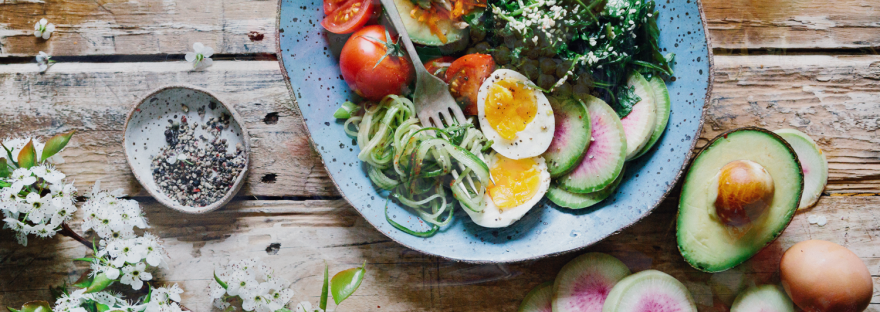
The Mediterranean Diet is a way of eating that involves traditional foods commonly eaten in the 16 countries that border the Mediterranean Sea. This way of eating involves eating lots of vegetables and fruits, along with a moderate amount of bread, whole grains, potatoes and nuts, and a lesser amount of dairy, eggs, poultry, and fish. There is almost no red meat in the classic ‘Mediterraneans Diet.’ It also involves copious amounts of olive oil, very little butter, and a little red wine.

According to Clark and Farrow, authors of the wonderful and affordable cookbook, Mediterranean, A Taste of the Sun in over 150 Recipes, these are some of the most common foods and spices that are part of a Mediterranean Diet:

  • Vegetables include artichokes, eggplant, fava beans, fennel, mushrooms, okra, onions, peppers, mostly sweet peppers like red and yellow peppers or pimientos, radicchio, radishes, spinach, tomatoes, grape leaves, zucchini, and olives.
  • Fruits characteristic of the ‘Mediterranean Diet’ are dates, figs, melons, peaches and oranges.
  • Dairy includes goat, cow and sheep cheeses, like Manchego! And of course, yogurt.
  • Legumes include garbanzo beans also known as chickpeas, lentils and navy beans.
  • Nuts include almonds, piñon nuts, walnuts and pistachios.
  • Herbs and spices are bountiful in the ‘Mediterranean Diet’ and perhaps that is the reason why it is so tasty and satisfying. Traditional Mediterranean herbs include basil, bay leaves, chives, cilantro dill, mint, parsley, rosemary, sage, tarragon, thyme, cardamom, chiles, cinnamon, coriander, cumin, mace, nutmeg, pepper and saffron!  
  • Fish, poultry and eggs are key proteins in the Mediterranean way of eating, but the small amount of red meat in this way of eating may account for the great benefits to heart health that are attributed to it.
  • The Mediterranean way of eating includes olive oil almost to the exclusion of any other kind of fat. Olive oil is one of the healthiest fats we can consume.

With this great variety of foods and flavors, how can we not enjoy the bounty of the Mediterranean table?

It is not a way of eating it’s a way of living.

A characteristic that many of us in North America forget to mention when we talk about the Mediterranean way of eating is that it is a lifestyle. It is not just about the food but about how you buy it, prepare it and share it with friends and family. The Mediterranean way of eating involves sitting around a table, talking, eating, sharing stories, taking it slowly and not rushing, being more mindful of the experience of good food and good company.  

So, embrace your multicultural heritage and delve into the Mediterranean way of eating, but take your time, cook it with love and attention, set a table, tell some stories and enjoy! ¡Buen Provecho!

〰️

Check out the De Las Mias app It’s free and ready for download in the Google Play Store. Follow us on Facebook and Instagram @delasmiaslife.

————

Source:

Clark, Jacqueline and Farrow, Joanna. Mediterranean, A Taste of the Sun in over 150 Recipes. Hermes House. 2003.


¡Hola, Guapa!, ¡Hola, Sabrosa!, Edición No. 4: Reflection, Spanish

Latinas, el centro de la familia: Autocuidado para la supermujer

Las latinas somos el pilar principal que sostiene a la familia.  Somos la clásica Supermujer que hace todo. Somos supermamás, superabuelas y supercuidadoras de nuestros padres, tías y tíos que están en su tercera edad.

Como madres, siempre se espera que tomemos el buen camino. Nos hacemos cargo de nuestras familias y estamos orgullosas de ello. Nos sacrificamos haciéndolo: compramos, guisamos y servimos los frijoles.  Nos aseguramos de que nuestros hijos, parejas y padres mayores estén sanos y salvos.

A las latinas se les conoce como el centro de la familia. Hay varios estudios científicos que comprueban que las latinas toman la mayoría de las decisiones de atención médica de la familia; tomamos las grandes decisiones económicas, como por ejemplo, cómo se gasta el dinero, dónde se compra la comida y la ropa de la familia. Decidimos cómo educar a nuestros hijos, a qué escuela mandarlos, cómo disciplinarlos y cómo cuidar de nuestros viejitos.

Estamos en el todo de la familia. Ser la mera mera y el Centro de la familia es un paquetón. Pensemos en esto: Si somos el centro de la familia, ¿qué pasa si el centro se descompone? (Pista: Cuando el centro se descompone, nos lleva la tiznada. Y estoy siendo educada, pues hay una palabra que lo describe mejor en mi Chingonario).

Este artículo es el principio de lo que espero sea una conversación sobre cómo cuidarnos a nosotras mismas mientras que cuidamos a los demás: desde la cuna hasta la tumba.


Éstas son algunas cosas que debes considerar al verte como el centro de la familia.

  1. ¿Cómo te cuidas? El autocuidado es fundamental cuando estás cuidando a los demás. A ver, rápidamente, haz una lista de 5 cosas que haces para cuidarte.
  2. Si no llegaste a 5, haz una lista de 5 cosas que deseas  hacer para cuidarte mejor. Escríbelas y pégalas en el refri o en tu espejo, en algún lado donde puedes acordarte que tu propio cuidado es importante. Recuerda: ¡la contemplación es el primer paso hacia la acción!
  3. Aquí les compartimos algunos consejos básicos de autocuidado:
    • ¡Tus mañanitas! Piensa en un día en el que te sentirías feliz y relajada. ¿Cómo sería ese día? ¿Cómo empiezas tu día? Una amiga, Roni, que vive en Tucson, siempre empieza su día con una taza de té en cama, leyendo su lectura inspiradora favorita. Se levanta 30 minutos antes que los demás y se hace su taza de té y regresa a la cama.  Escucha música tranquila, lee un párrafo o dos de su librito y medita 5 minutos. Me cuenta que ese ritual matutino es fundamental para que empiece bien su día. ¿Qué pequeños momentos puedes crear en la mañana para sentir que empiezas tu día bien? ¿Cómo sería tu Ritual Matutino?
    • Tu bienestar físico. ¿Sabías que la mayoría de nosotras las latinas no somos físicamente activas? Podrías decir, “Pues si estuvieras en mis zapatos, ¡tú tampoco serías muy activa!” Y puede que tengas razón, pero piensa cómo le puedes agregar 20-30 minutos de actividad a tu día. ¿Puedes echarte una caminata de 15 minutos durante tu break del trabajo o tu hora de la comida? ¿Puedes empezar a estacionarte un poco más lejos del super para que camines un poquito más? ¿Qué pequeñas medidas puedes tomar para que puedas mover más tu cuerpo?
    • Tus verduras. Come tus verduras, tus granos integrales y frutas. Tenemos una herramienta increíble en la app de De Las Mías: Nuestra Lista de Vida Sana. Si no te estás cuidando, seguramente al principio, no vas a marcar todo lo que está en la lista, pero ¿qué tal si empiezas con tus verduras? ¿Qué tal si te comes una ensalada a la hora de la comida todos los días? ¿Y si te comes una fruta o nueces de snack en vez de algo crujiente con demasiada sal y grasa? ¡Empieza a avanzar con tu lista de vida sana! ¡Vales la pena!
    • Tu ritual a la hora de acostarse. ¿Qué tan bien duermes? ¡El sueño es muy importante para la roca de la familia! ¡Tiene que estar descansada y lista para empezar el nuevo día! Estos son algunos rituales de noche que puedes intentar:
      • Si puedes, acuéstate a la misma hora todos los días.
      • Evita estar frente a una pantalla 30 minutos antes de acostarte.
      • Evita la cafeína en la noche.
      • Un baño calientito antes de acostarte siempre es rico.
      • No te acuestes demasiado llena ni con mucha hambre.
      • Mantén tu recámara fresca y oscura.
      • Si no puedes dormir, no estés dando vueltas. Párate y camina un poco o lee. Cuando te dé sueño de nuevo, regresa a la cama.
      • ¿Estás preocupada por algo? Escríbelo y ponlo en tu cajita de las preocupaciones. Ahí estará en la mañana cuando estés descansada y lo puedas resolver.
  1. Cuida a tus viejitos. Cuidar de los viejitos no es fácil, aunque los ames con todo tu corazón. Para poder cuidarlos, tienes que cuidarte a ti. Haz de cuenta que estás en un vuelo. Ponte el oxígeno tu primero.

Encontramos un artículo en inglés buenísimo del Mayo Clinic que da muy buenas recomendaciones sobre cómo manejar el estrés como cuidador. Prueba algunas de estas sugerencias y cuéntanos cómo te va:

  • Acepta ayuda. Prepara una lista de maneras en que los demás te pueden ayudar a ti, y deja que el ayudante escoja que le gustaría hacer. Por ejemplo, un amigo puede ofrecer llevar a la persona que cuidas a pasear un par de días a la semana. O una amiga o miembro de la familia puede ayudarte con algún encargo: ir al super o preparar la cena.
  • Enfócate en lo que puedes proveer. Es normal sentirse culpable a veces, pero entiende que nadie es un cuidador “perfecto”. Créetela que estás haciendo lo mejor que puedes y tomando las mejores decisiones que puedes en cada momento.
  • Establece objetivos realistas. Divide las tareas grandes en pasos más pequeños para poder hacerlos uno a la vez. Fija prioridades, haz listas y establece una rutina diaria. Empieza a decir que no cuando alguien te pida que hagas algo que te va agotar, como organizar fiestas de fin de año.
  • Busca apoyo social. Haz un esfuerzo y mantente conectada con la familia y amigos que te puedan dar apoyo emocional sin juzgarte. Aparta tiempo cada semana para conectar con tus amistades, aunque sea una caminata con una amiga.
  • *Conéctate. Busca recursos en tu comunidad sobre cuidado a mayores. Muchas comunidades tienen clases específicamente sobre la enfermedad que tiene tu ser querido. Pueden tener servicios de cuidado disponible como transporte, comidas a domicilio y limpieza.
  • *Únete a un grupo de apoyo. Un grupo de apoyo puede darte validación y apoyo, al igual que estrategias de solución de problemas para enfrentar situaciones difíciles. La gente en los grupos de apoyo entiende por lo que estás pasando. Un grupo de apoyo también puede ser un buen lugar para crear buenas amistades.

*Una nota importante sobre las dos últimas recomendaciones: la investigación muestra que en el cuidado de los viejitos, las latinas y latinos usan muy poco los servicios de ayuda que existen. Estos servicios generalmente son gratuitos y bilingües. Te recomendamos que contactes a tu iglesia o asistencia social local, como las Caridades Católicas, tu AAA local, Area Agency on Aging, y/o las clínicas de tu comunidad. ¡Busca lo que está disponible! ¡No lo hagas sola Comadre!

¡No es nada fácil ser Supermujer! ¡Cuídate, Mujer!

Cuéntanos qué haces para cuidarte. Comparte tu conocimiento con las demás para que aprovechen de lo que tú has aprendido.


Fuentes:

https://www.nielsen.com/us/en/insights/reports/2013/latina-power-shift.html

http://www.pewresearch.org/fact-tank/2017/09/18/how-the-u-s-hispanic-population-is-changing/

https://www.mayoclinic.org/healthy-lifestyle/stress-management/in-depth/caregiver-stress/art-20044784

Flores, et al. Beyond Familism: Ethics of Care of Latina Caregivers of Elderly Parents with Dementia. Health Care Women Int. 2009

¡Hola, Guapa!, Edición No. 5: Stress, Spanish

El estrés, el aguante y los remedios


Nosotras las Latinas venimos de una tradición indo-hispánica muy rica y diversa. Primeramente incluye el meztisaje y sus choques culturales, pero también su sabiduría y su magia espiritual. Claro que hubo y sigue habiendo adversidad, pero con esta adversidad también viene el conocimiento y el poder. Cargamos con este paquete heredado de nuestras abuelas, tías y madres. Lo traemos en la sangre y en el alma. Se lo pasamos a la siguiente generación en el ADN, y a través de nuestras tradiciones, memorias, historias, cuentos y prácticas.

Es poderoso aprender más sobre los efectos negativos del estrés en nuestras vidas e informarnos sobre la ciencia del estrés crónico. Al aprender sobre como nos puede afectar la salud, también podemos recordar la sabiduría de nuestras abuelas y bisabuelas y cómo ellas  sobrevivieron y salieron adelante a pesar de lo que sufrieron. Por que, Amiga, las Latinas sabemos sufrir. 

Dos conceptos se me vienen a la mente cuando digo la palabra – sufrir... Uno es el aguante y el otro son los remedios.

Aguantar es una de esas palabras que tiene mucho más sentido en español que en inglés. En inglés significa “tolerar”, “soportar”. Pero por generaciones, las latinas hemos estado condicionadas no solo a tolerar, pero a sufrur en silencio. La tolerancia al estilo “Calladita me veo más bonita”. Aguantar va de la mano con el silencio, y con el sacrificarse por los demás. Tú lo has visto en tus tías y abuelas, en tu mamá, esa dignidad estoica que surge del sufrimiento.

Me encantó asistir a la Conferencia #WeAllGrow Latina el año pasado y ver manadas de latinas jóvenes pasar con los letreros que anunciaban “Calladitas No More!” Algunas incluso tomándose selfies con el manifesto: “¡No más Calladitas!”

Las latinas estamos aprendiendo, creciendo y recuperando nuestra salud, nuestro poder y nuestra alegría. Como siempre — y como buenas latinas — hacemos esto, no solo para nosotras, sino también para nuestras familias. Ésta es una muy buena tradición latina que prometemos heredarle a las siguientes generaciones.

Así que el aguante, ese tan típico, de la latina tradicional ya va cambiando poco a poco, y eso me parece bien.  Tiene uno que saber aguantar, pero también tener un HASTA AQUI. (Esto lo dejamos para otra charla.) Pero el otro concepto que se me viene a la mente al explorar este lazo multi-generacional del aguante, es la tradición de los remedios.

Una tradicion tan poderosa como el aguante es la magia y el poder de nuestros remedios tradicionales.

Los remedios traen consigo la magia de la curación, de los milagros, de la fe y la esperanza. Todas traemos esos remedios en nuestro costal.  A recordarlos ahora mismo y a ponerlos en practica. Emprendí una búsqueda de remedios entre las mias, y aquí les comparto algunos de los que encontré en nuestra cajita de herramientas:

1. El Santuario. 

Generalmente asociamos la palabra santuario con una iglesia, como el Santuario de Chimayó en el bello norte de Nuevo México, pero también puedes hacer tu propio pequeño santuario en tu casa o en tu jardín. Aduéñate de un rinconcito en algún lugar de tu casa o jardín. Cuando hagas este lugar especial sagrado, puedes utilizarlo como un altar intencional para ayudarte a manejar el estrés. Tu recámara puede funcionar bien como santuario porque generalmente es el lugar más privado de una casa.

  •      Empieza por nombrarlo como un lugar especial al que puedes ir para tener un momento de tranquilidad. (¿A poco tu abuelita no tenía un altarcito en un rincón?)
  •      Coloca algunos objetos que tengan algún significado para ti. Una foto de tu papa si te inspira fortaleza o una de tu mamá si ésta te inspira fe.
  •      Pon una foto o un bultito de tu santito favorito, o de la Virgencita de Guadalupe, un rosario, o lo que sea que tenga un valor sagrado o un recuerdo positivo.
  •      Escoge una vela que sólo vas a prender cuando estés en el cuarto y colócala en una base segura, que no se queme (¡ya van dos veces que casi quemo la casa!)
  •      Pon unas flores. Un recipiente con agua bendita o un recipiente con agua que hayas bendecido tú.
  •      Pasa un rato en tu santuario todos los días o reconócelo cada vez que pases por dónde está.

Usa este lugar sagrado para liberarte de tu estrés, preocupación o miedo. Practica este remedio y verás que poco a poco irás encontrando un refugio mágico en este rinconcito.

2. Santuario de Visualización Creativa

Otra práctica de santuario que es muy linda y me ha dado mucho consuelo en tiempos difíciles es hacer un ejercicio de relajación profunda y agregarle una visualización creativa. Imagina un lugar especial dentro de tu mente al que puedes ir a sentirte tranquila y en paz. ¿Se te viene a la mente un jardín hermoso? ¿O un lugar especial para ir a ver el atardecer? Tal vez diste un paseo largo por la playa un día y te sentiste relajada y en paz. Tómate unos minutos y crea ese santuario especial en tu mente. Siente paz y refugio ahí y regresa cuando quieras.

3. Un Tecito.   

Las latinas tenemos una larga tradición de tomar tecitos. El té de manzanilla es el más común. ¡Hasta se lo damos a los bebés cuando tienen cólico, o para que se relajen! Tómate un descanso, hazte un tecito, siéntate y tómatelo. Mientras te lo tomas, trata de relajarte y “letigo”.

El té de tila es famoso por ser un té relajante, pero no lo tomes si estás embarazada o tienes algún problema del corazón. Si tienes cualquier condición crónica, siempre es bueno preguntarle a tu doctor si puedes tomar té de tila.

Otro de los favoritos es el té de azar. El té de azar era un clásico que se les daba a las jovencitas cuando se ponían nerviosas antes del gran baile. La vida es un gran baile comadres, así es que hay que fortalecerse.

Cualquier té de hierbas funciona. Hay muy buenos tés en los EE. UU. como el Sleepy Time, que funciona muy bien.

4. La Limpia. 

La limpia tiene diferentes significados para diferentes personas. La mayoría estaría de acuerdo con que una limpia es una depuración. Sería bueno que le preguntaras a tus abuelas o madrinas qué usan ellas para hacer una limpia, o si han hecho alguna en su vida. No todas las latinas practican esta tradición, pero la limpia básica que yo hago es simplemente comprar una buena salvia y quemarla un poco en un recipiente de metal o de cerámica. Es bueno ofrendarla a los cuatro vientos; ponte de cara a cada dirección y deja que el humo pase por arriba de tu cabeza. Después de difuminarla, puedes poner unas cuantas gotas de limón en un vaso con agua y rociar el ambiente con un atomizador. Este es un ritual muy sencillo que te puede relajar después de una discusión o después de que se vaya de tu casa una visita desagradable, o si sientes tensión o nervios a entrar a tu casa y quieres “limpiar el aire”. La cualidad que quieres tratar de lograr es intencionalmente dejar ir la tensión, el estrés y las malas vibras.

5. La veladora.    

Amamos las veladoras, pero tenemos que tener cuidado. ¿Les conté que casi quemo la casa en dos ocasiones? ¡Así es que sobre aviso no hay engaño, comadres! Venden unas veladoras muy lindas. “Te prendo una veladora” siempre significa que prenderás una vela para que se te cumpla un deseo. Así es que utiliza tus veladoras sabiamente. Yo ahora prendo la mía en la chimenea para que no haya falla y el único fuego que arda sea el de mi corazón. Nos encantan las veladoras clásicas de la Virgen de Guadalupe.

6. El Bubble Bath  

Soy latina y ahora abuela, así que les puedo decir que ésta vino de una viejita. ¡Me encanta tomarme un buen bubble bath! ¡Tómense un tiempito para ustedes, comadres! Cómprense unas ricas burbujas, pongan música relajante, un letrero de no molestar en la puerta del baño y ¡relájense! Este remedio es buenísimo para los dolores de espalda o si tiene los pies adoloridos de estar paradas todo el día en el trabajo.

¿Cuáles son algunos de los remedios que han probado y les han funcionado? ¡A compartir!

¡Hola, Guapa!, Edición No. 4: Reflection, Spanish

Relajación Profunda: Cómo manejar el estrés y ser una supermujer tranquila y sana

Cuando estamos estresadas — sobre todo cuando hemos estado estresadas o preocupadas por mucho tiempo — es importante cuidarnos y aprender formas para manejar el estrés para que no se convierta  en un problema de salud. Si leíste El estrés y cortisol ya sabes que existe evidencia científica que describe cómo los efectos del cortisol a largo plazo pueden causar problemas de salud, e incluso la acumulación de grasa en el centro del cuerpo — el síndrome de las lonjitas.  Resulta que las famosas lonjitas alrededor de nuestra cintura no es únicamente un problema cosmético. Hay una relación entre las lonjitas y el desarrollo de condiciones crónicas, como la obesidad, prediabetes, diabetes, problemas del corazón y presión alta.

En De Las Mías estamos llevando a cabo más investigación sobre los efectos negativos del estrés crónico, y conforme pasa el tiempo, seguiremos dándoles información actualizada, recomendaciones y técnicas de cómo manejar los efectos negativos del estrés crónico, o como empiezan a llamarlo los científicos, el estrés tóxico.

Una de las maneras más eficaces de sobrellevar el estrés tóxico es con la relajación profunda. La relajación profunda existe desde hace siglos. Tu abuelita la practicaba sin saberlo cuando rezaba el rosario todas las noches antes de dormir. Rezar el rosario ha sido un ritual de las mujeres latinas por siglos y apenas estamos descubriendo que, además de hacernos sentir más cerca a la Madre Santa, estábamos encontrando una forma — a través de la oración repetitiva — de relajarnos profundamente.   El “letigo” de hoy en dia – o “Letting Go” en inglés, es soltar las penas. Dejarlas ir es unas de las cosas más sanas que puedes hacer cuando estás muy estresada, y hay muchas maneras de hacerlo. Rezar el rosario es sólo una de ellas.

Al volverse más diverso culturalmente nuestro país,  vemos a más gente usando las cuentas de oración de otras culturas.  Puedes ver que algunas personas llevan puestas sus cuentas de oración en las muñecas. En Grecia tienen las cuentas komboloi, y las usan para calmarse.  ¡Mi amiga Julie tiene unas cuentas Griegas de amatista divinas! Yo tengo un hilo de cuentas de madera que uso en mi muñeca izquierda cuando estoy particularmente estresada. Me recuerdan que debo de respirar hondo varias veces al día y detenerme a disfrutar lo bello que son las rosas. También las uso para repetir la Oración de la Serenidad o incluso unos cuantos Aves Marías si me encuentro en situaciones difíciles.

Básicamente, la oración repetitiva, como el rosario, el recitar un mantra o la Oración de la Serenidad, nos lleva a un estado meditativo, de relajación. Este estado meditativo es una relajación profunda, y nos ayuda a  sobrellevar los efectos negativos del estrés.

Nosotras las nerviosas, las que no podemos quedarnos tranquilas, usamos la técnica de meditar caminando que les compartimos hace unas semanas. Tengo comadres que sienten el mismo beneficio cuando se ponen a tejer. Existen varios estudios que vinculan el tejido con beneficios para la salud, mejor memoria y como una manera de relajación profunda.

Encuentra tu propia manera de llegar a un estado de relajación profunda por lo menos una vez al día. Hay muchas apps móviles muy buenas que puedes instalar que te ayudarán a meditar, pero recuerda, el objetivo es el mismo: la relajación profunda.

¡Namaste, Comadres!

Les comparto una técnica que aprendí hace muchos años cuando trabajaba en la Universidad de Arizona, en el Centro de Artritis con personas que padecían dolor crónico:

  1. Encuentra un lugar tranquilo donde nadie te moleste en por lo menos 15 minutos.
  2. Siéntate en una silla en una posición cómoda, o en el piso, con tu espalda recargada en la pared.
  3. Respira profundo. Inhala por la nariz y exhala por la boca. Cierra los ojos y respira despacio y profundo.
  4. Repítelo. Haz por lo menos 5 respiraciones profundas y siente tu cuerpo relajarse.
  5. Deja ir cualquier tensión en tu cuerpo. (Letigo)
  6. Identifica dónde sientes tensión y dirígete ahí con tu mente y respira.
  7. Ahora, empieza con tus pies, ¿cómo se sienten? Relájalos. Dirige tu respiración hacia los pies y relaja los músculos.
  8. Ahora, sube a tus pantorrillas, relájalas; deja ir cualquier tensión que tengas en tus pantorrillas.
  9. Ahora sube, respirando profundamente en tus muslos. Relájalos.
  10. Sube a tus caderas, tu cintura y tu pecho. Respira lento y relájate.
  11. Continua subiendo hacia el cuello y muévete de adelante hacia atrás lentamente hasta que sientas los músculos de tu cuello relajarse. Sigue respirando lento y profundo.
  12. Ahora sube a la cara, tu boca, tu mandíbula, tu nariz, tus ojos y toda la cabeza. Deja ir cualquier tensión que sientas en el cuerpo.
  13. Ahora, regresa a tu espalda y trata de relajar los músculos de la espalda, los glúteos y atrás de tus piernas, hasta llegar a tus pies.
  14. Haz unas cuantas respiraciones profundas más.
  15. Quédate en esta posición de relajación unos minutos más. Cuando estés lista, abre los ojos
  16. Ahora, lentamente, párate y sigue tu día.

Hay otras maneras de lograr un estado de relajación profunda. Les compartimos anteriormente la técnica de la Visualización del Santuario en el Mapa de Visión. Hay muchas técnicas de Visualización Creativa que son divertidas y te relajan, pero esta técnica sencilla es un buen punto de partida.

¿Practican alguna técnica de relajación profunda? ¿Qué  les funciona mejor? ¡Compartan su conocimiento, Comadres!

Les deseo Paz, Comadres.

¡Buena Suerte!


Fuente:

Benson, Herbert. The Relaxation Response. 2000. Harper Collins

Riley, J., et al. The Benefits of Knitting for Personal and Social Wellbeing in Adulthood. Findings from an International Survey. Journal of Occupational Therapy. February 15, 2013. https://doi.org/10.4276/030802213X13603244419077

Gawain, Shakti. Creative Visualization: Use the Power of Your Imagination to Create What You Want in Your Life. 2002. Nataraj Publishing.

¡Hola, Guapa!, Edición No. 5: Stress, Spanish

El estrés y el cortisol: ¿Qué tienen que ver?


El estrés es la reacción de tu cuerpo al cambio. Esa es la definición más sencilla. Todo cambio es estresante. Cualquier cambio que requiera o cause que tu cuerpo o mente reaccione, es estrés. Todos padecemos del estrés. Podemos experimentar estrés por cualquier cambio en nuestra vida cotidiana, en nuestro ambiente, en nuestros cuerpos, pensamientos y sentimientos. Se podría decir que el estrés es inevitable. Los cambios buenos causan estrés y los cambios tristes y trágicos también lo causan.

Aunque el estrés es una parte normal de la vida, es importante entender los diferentes tipos y niveles del estrés.

Estar expuesta a periodos largos de estrés puede hacerle daño a tu bien estar, a tu salud, e incluso a tu habilidad de lograr o mantener un peso saludable.

Existen nuevos estudios sobre el estrés crónico. Los científicos le han empezado a nombrar “estrés tóxico”. El Dr. Thornburg, director del Moore Institute de la Universidad de Ciencias de la Salud de Oregón dice lo siguiente sobre el estrés tóxico: “El estrés tóxico, también conocido como estrés crónico, es el estar expuesto con frecuencia y por periodos prolongados a la adversidad. Esto puede ser en forma de abuso, negligencia, la exposición a la violencia o a excesivos problemas económicos.”

El Dr. Thornburg explica que cualquier tipo de estrés causa que se libere una cantidad de hormonas directamente al torrente sanguíneo. A corto plazo estas hormonas ayudan a que la persona enfrente una amenaza. Una de las hormonas que le ayuda a la persona a enfrentarse a la amenaza del estrés es el cortisol. Sin embargo, continúa explicando, que cuando una persona padece de estrés por largos periodos, el cuerpo produce demasiado cortisol y lo produce por mayor tiempo. Lo ilustra diciendo que es como que el “botón de alarma del cuerpo se atora en ‘encendido’.”

Otros estudios confirman que cuando los niveles de cortisol se mantienen altos durante el día, le cuesta al cuerpo adaptarse. Esta liberación prolongada de cortisol en el cuerpo está ligada a la acumulación de peso en la parte media del cuerpo, mejor conocida como “las lonjitas”. El tener ese peso extra en la parte media del cuerpo nos pone más en riesgo de desarrollar condiciones crónicas, como la diabetes y problemas cardíacos. Otra reacción que puede causar el cortisol es un aumento en el apetito y los antojos. No es un mito que el estrés te puede causar que quieras más Cheetos, papitas y chicharrones (¡es muy real!).

¡Esas son las malas noticias, Comadres! Pero las buenas son que, entre mejor manejemos el estrés, más probabilidades tendremos de protegernos de sus efectos negativos.

Como todo en la vida, el primer paso para solucionar el problema o lograr un cambio positivo es concientizarse.  El segundo paso es elaborar un plan para sobre llevarlo.

Les compartimos unos tips básicos para su plan de manejar el estrés.  Estos se pueden practicar poco a poco hasta que llegar a practicarlo todos los días:

  1. Aprende a reconocer las señales del estrés. Ponte atención. Pregúntate:  ¿Han habido muchos cambios en mi vida últimamente? ¿Me siento de mal humor, enojada o nerviosa? ¿Siento tensión en los músculos? ¿Estoy rechinando los dientes mientras duermo?
  2. ¿Estás comiendo por razones emocionales? ¿Tienes hambre física o emocional?
  3. Si has contestado que sí a estas preguntas, sigue esta práctica: Come bien. Come más verduras, proteína magra y granos enteros. Checa el artículo –  ‘A comer bien en 9 pasos’ .  Sigue este plan y te estarás cuidando bien.
  4. ¿Tienes antojo de comidas saladas, crujientes, grasosas o azucaradas?  Hazte un favor y saca esa comida de tu casa, escritorio, carro y/o debajo de tu colchón.
  5. Lleva un diario de comida o utiliza una de nuestras herramientas de la app de De Las Mías para llevar un récord de tu comida y tu estado de ánimo. Identifica patrones. ¿Comes más comida chatarra cuando estás estresada?
  6. Busca apoyo. Platica con tus comadres, amigas, hermanas o mamá para solucionar el problema.
  7. Haz un plan: escríbelo: si pasa esto… haré esto….  Si estás luchando contra un problema crónico, ayuda mucho estar preparada.
  8. ¡Mueve tu cuerpo, Muchacha! Ve a caminar. Baila como si no hubiera mañana. Haz el amor.
  9. Dormir es súper importante. ¡Échate un coyote!  Si no estás durmiendo bien, encuentra la clave para lograrlo. Busca ayuda profesional si la necesitas.
  10. Lleva un diario o escribe lo que sientes. Algunas personas sienten un gran alivio cuando llevan un diario. (Como cuando eras niña, ¿te acuerdas?) ¿Y qué tal si haces una caja de preocupaciones? ¡Yo tengo una! Si estoy preocupada por algo y no puedo soltar la preocupación, la escribo en un papelito y la meto en mi caja de preocupaciones. Es más fácil para mí dejarlas ir de esa forma. ¡Inténtalo!
  11. Aprende a practicar la relajación profunda. El respirar profundamente, el yoga, los estiramientos, rezar el Rosario, tejer, bordar, cualquier cosa que sabes hacer y que te genera paz.

Y por favor, Comadre, si te sientes desamparada o sin esperanza, y te sientes drenada, o has estado llorando o teniendo pensamientos tristes por más de dos semanas, busca ayuda profesional. Ve con tu comadre, un sacerdote, un pastor o una monja. Pide ayuda a una consejera, trabajadora social, doctora o enfermera. Dile a alguien, pero por favor, no sufras en silencio. Si en algún momento piensas en hacerte daño o a los demás, llama al 1-800-628-9454.

Fuentes:

Thornburg. https://www.ohsu.edu/xd/education/schools/school-of-medicine/departments/the-moore-institute/about/message-from-director.cfm

Torres. Nowson. Relationship between stress, eating behavior, and obesity. Nutrition. 2007 Nov-Dec;23(11-12):887-94. Epub

Harding, et al. Psychosocial stress is positively associated with body mass index gain over 5 years: evidence from the longitudinal AusDiab study.Obesity (Silver Spring). 2014 Jan;22(1):277-86. doi: 10.1002/oby.20423. Epub 2013 Jun 13.

https://www.nimh.nih.gov/health/publications/stress/index.shtml

Epel ES, et al. Stress and body shape: stress-induced cortisol secretion is consistently greater among women with central fat. Psychosom Med 2000 Sep-Oct;62(5):623-32.

¡Hola, Sabrosa!, Edición No. 5: Stress, English, Healthy Body, Healthy Comadres, Healthy Family

Stress Management and Traditional Latina Remedios


Stress Management Latina Style 

We come from a rich Indo-Hispano tradition of adversity, cultural clashes, magical spirituality and wisdom. We carry this mixed bag passed down by our grandmothers, madrinas, tías and mothers. It’s in our blood and in our soul. We hand it down to the next generation through our DNA, our traditions, memories, stories and practices.  But did you ever think of these remedios as stress management tools?

As we take a deeper dive into the negative effects of stress in our lives, and we become more immersed in the science of chronic stress and its effects on our health, we can also dig deep into how our abuelas and great-grandmothers endured and thrived in spite of their adversity. They may not have been calling it that, but those tips, tricks and yes, even brujerías, were the original stress management tools!

Two concepts come to mind when thinking of stress management in Latino cultures. One is Aguantar and the other is Remedios. One is better than the other.

 Aguantar is one of those words that has much more meaning in Spanish than in English. In English it means to put up with, to endure. But for generations, we Latinas have been conditioned to not just endure, but to be silent about it. That “Calladita me veo más bonita” type of endurance. Aguantar goes with silence and that goes hand in hand with “sucking it up” for the sake of others. You’ve seen it in your mothers, tías and abuelas, that stoic dignity that comes from suffering – from grinning and bearing it.

I loved attending the #WeAllGrow Latina Summit last year and seeing droves of young Latinas pass by ¡Calladitas No More! banners, some even taking selfies by this 3-word manifesto: Silent No More!

Latinas are learning and growing and taking back our health, our power and our joy. As always, and like good Latinas, we do this not just for ourselves, but also for our familias. And that is a very good Latina tradition that we vow to pass down.

The other concept that comes to mind as we explore this multigenerational link of Aguantar el Estrés, is the concept of Remedios.

All things have a dark and light side and to me, the light side of Aguantar is the magic and power of our Remedios. The Remedy!

Remedios carries with them the magic of healing, of miracles, of hopeful expectancy. I went on a Búsqueda of Remedios that can help with stress management and here are a few that I found in my own Remedios Tool Box: 

1. El Santuario. The Sanctuary.

You may associate the word sanctuary with a church, such as El Sanctuario de Chimayó in beautiful Northern New Mexico, but you can make your own little sanctuario in your home or garden. Claim a little corner somewhere in your home or garden.  When you make this special sacred place, you can use it as an intentional remedio to help you cope with stress. Your bedroom works well for a sanctuario because often, it is the most private place in a home.

  • Start by claiming it as a special place where you can go for a quiet moment.
  • Place a few objects there that have meaning for you. A picture of your dad if that inspires strength, or a picture of your mom, if she inspires faith.
  • Place a picture or statue of your favorite Santito, or Our Lady of Guadalupe, a rosary, or whatever holds sacred value or a positive memory.  
  • Choose a candle that you will light only when you are in the room and place it securely on a flame proof base. (Twice, I almost burned the house down.)
  • Add some flowers. A bowl of holy water, or a bowl of water that you have blessed yourself.
  • Spend a few minutes with your sanctuario every day or acknowledge it when you pass by.

Use this sacred space to let go of your stress, worry and fear. Practice this and little by little you might find some magical refuge.

2. Sanctuary Creative Visualization

Another sanctuary practice that is lovely and has given me comfort in hard times is to do a deep relaxation exercise and add a creative visualization. Imagine a special place in your mind’s eye where you can go to feel comfort and peace. Does a beautiful garden come to mind? Or a special place to go for a sunset? Perhaps you went for a long walk on a beach one day and you felt relaxed and at peace. Take a few minutes and create this special sanctuary in your mind.  Feel peace and refuge there and go back anytime you want.

3. Un Tecito. A little cup of tea.   

Latinas have a long tradition of drinking their tecitos. Té de manzanilla – Chamomile tea is the most common. We even give it to babies to relax! Take a break, brew some tea, sit down and drink it in. As you sip your tea, try to relax and “letigo.”  

Té de tila – Linden tea is popular as a relaxation tea, but you shouldn’t drink it if you are pregnant or have heart disease. If you have any kind of chronic condition, it is always a good idea to ask your doctor if you should drink té de tila.  

Another favorite is té de azar – which is orange blossom tea. Té de azar was the classic tea given to young ladies when they were nervous before the big dance. Life is a big dance, sometimes, Comadres, so fortify yourselves.

Any kind of herbal tea will do. There are some great teas, like Sleepy Time, that will do the trick

3. La Limpia. The Cleanse.

Limpia has different meanings to different folks. Most would agree that a limpia is a cleanse. You might want to ask your abuelas and madrinas what they have used to do a limpia, or if they ever did one at all. Not all Latinas practice this tradition, but the basic limpia that I do is simply get some good sage and burn a little in a metal or ceramic bowl. It’s nice to offer it to the four directions, face each direction and let the smoke go over your head. After you smudge, you could put a few lemon drops in a cup of water in spray bottle and spray the room. This is a simple ritual that could help you feel more relaxed after an argument, after a guest leaves your house if she or he stressed you out, or you feel tension or unpleasantness in the room and you want to “clear the air.”  The important quality to try to achieve is to intentionally let go of tension, stress, and malas vibras.

4. La veladora. The blessed votive.    

We love our candles, but we have to be careful. Did I tell you I have almost burned down the house twice?! So fair warning, comadres! But there are some wonderful veladoras out there. Te prendo una veladora always means I will light a candle to help make your wish come true. So use your veladoras, wisely. I burn mine in the fireplace now, so there is no chance that I will cause a fire except the one that is burning in my passionate heart. We love the classic Virgen de Guadalupe votives.

5. El Bubble Bath.  

I’m a Latina and I am a grandmother now, so you can say this one came from an old abuela. I love a good bubble bath. Just take some “me” time, ¡Comadres! Get some bubbles, put on some relaxing music, a do not disturb sign on the bathroom door and chill out! This remedio works wonders if your back aches or you have tired feet from standing all day at work.


What are some of your tried and tested remedios? What customs from your culture do you bring to your own stress management?

¡Hola, Guapa!, Edición No. 5: Stress, English, Healthy Body, Healthy Comadres

Deep Relaxation: How to Be a Healthy y Calmada Super Mujer

The Health Benefits of Deep Relaxation

When we are stressed out, and especially when we have been stressed or worried for a long time, it is important to take care of ourselves and learn ways to cope, such as practicing deep relaxation.  The goal is to keep stress from turning into a health problem. If you read Stress and Cortisol, you now know that there is scientific evidence that the long term effects of cortisol can cause health problems, not to mention las lonjitas (those pesky rolls around the middle). It turns out that getting thick around our middles, developing the lonjita syndrome, is not just a cosmetic problem. There is a link between lonjitas and developing chronic conditions like obesity, prediabetes, diabetes, heart disease and high blood pressure.  

Scientists are starting to refer to chronic stress as toxic stress. There is mounting evidence that deep relaxation can help us counter toxic stress and prevent some diseases.

So as time goes by, we will provide you with updated information, tips and tricks on how to counter the negative effects of chronic stress.  

Traditional Forms of Deep Relaxation

Deep relaxation has been around for centuries. Your abuelita probably practiced deep relaxation without knowing it when she prayed the rosary every night before she fell asleep. Praying the rosary has been a Latina ritual for centuries, and now we are starting to find out, that besides feeling closer to the Blessed Mother, Latinas were finding a way, through repetitive prayer, to “letigo.” Letting go is one of the healthiest things you can do if you are under a lot of stress, and there are many ways to do this. Praying the rosary is just one of them.

As our country becomes more culturally diverse, we see men holding prayer beads, and others wearing mala beads around their wrists. In Greece they have worry beads. My friend Julie has some purple amethyst beads to die for! I have an old strand of mala beads that I wear around my left wrist when I am particularly stressed out. For me, they remind me to take deep breaths throughout the day and stop and smell the roses. I also use them to repeat the serenity prayer or if I’m in really dire straits, a bunch of Hail Marys.

Repetitive prayer, like the Hail Mary, the recitation of a mantra, or the Serenity Prayer, helps place you in a relaxed, meditative state. This meditative state is deep relaxation and it helps counter the negative effects of stress.

Some of  us nerviosas, can’t-sit-still types, do the walking meditation technique that we shared a few weeks ago. I have comadres who get a similar benefit from knitting. There are several studies that link knitting to positive health effects, better memory and deep relaxation.

Find your own way of getting into a deep relaxed state at least once a day. There are many good free apps that you can download that will help you meditate, but remember, the goal is the same. Deep relaxation. ¡Namaste, Comadres!

Here is a tried and true technique that I learned many years ago when I worked in a pain management program at the University of Arizona, Southwest Arthritis Center.

  1. Find a quiet place where you will not be disturbed for at least 15 minutes.
  2. Sit in a chair in a comfortable position, or on the floor with your back against the wall.
  3. Take a deep breath. Breathe in through your nose and out through your mouth. Close your eyes and breathe slow deep breaths.
  4. Repeat. Take at least 5 deep breaths and feel your body relax.  
  5. Let go of the tension in your body.
  6. Pay attention to where you feel tense, and go there with your mind and just breathe into it.  
  7. Now start at your feet and pay attention to how they feel. Relax your feet.  Breathe into your feet in your mind’s eye and relax the muscles.
  8. Now go to your calves, breathe, relax, let go of tension in your calves.
  9. Now move up, taking slow deep breaths to your thighs. Relax.
  10. Up to your hips, your waist and chest. Take nice slow breaths and relax.
  11. Keep going up to your neck and move it slightly back and forth in a slow motion until you feel the muscles in your neck relax. Keep up your slow deep breaths.
  12. Now up to your face, your mouth,  your jaw, your nose, eyes and whole head. Tell yourself to let go of all the tension in your body.
  13. Now go back to your back and try to relax your muscles in your back, your buttocks and down the back of your legs, all the way back to your feet.
  14. Take a few more deep breaths.
  15. Stay in this relaxed position for a few more minutes. When you are ready, open your eyes.
  16. Now, slowly get up and go about your day.

There are other ways to go into a deep relaxed state. The Sanctuary Visualization technique is one we shared with you previously in The Vision Map. There are many Creative Visualization techniques that are fun, whimsical and relaxing, but this simple technique is a good place to start.

Do you practice a deep relaxation technique? What works best for you? Share your wisdom with us, Comadres!

I wish you Paz, Comadres. ¡Buena, Suerte!


Sources:

Benson, Herbert. The Relaxation Response. 2000. Harper Collins

Riley, J., et al. The Benefits of Knitting for Personal and Social Wellbeing in Adulthood. Findings from an International Survey. Journal of Occupational Therapy. February 15, 2013. https://doi.org/10.4276/030802213X13603244419077

Gawain, Shakti. Creative Visualization: Use the Power of Your Imagination to Create What You Want in Your Life. 2002. Nataraj Publishing.

¡Hola, Guapa!, Edición No. 5: Stress, English, Healthy Body, Healthy Comadres

Stress, and How It Can Affect Your Health and Weight


Stress and How it Can Affect Your Health and Weight

Stress can affect your health and your weight. To understand more, let’s review a simple definition. Stress is your body’s reaction to change. All change is stressful. Any kind of change that causes your body or mind to react is stress. All of us have stress. We can experience it from any change in our everyday life. You can’t avoid it. Both happy and sad changes can cause us stress. Long-term stress, or chronic stress, however, can be harmful to your health. It can also make it harder for you to get to a healthy weight.

Scientists are beginning to call chronic or long-term stress, Toxic Stress. Dr. Thornburg, Director of The Moore Institute at  Oregon Health Sciences University has this to say: “Toxic stress, also referred to as chronic stress, is frequent or prolonged exposure to adversity. This can take the form of abuse, neglect, exposure to violence, or extreme economic hardship.”

Cortisol, the Stress Hormone

Dr. Thornburg explains that any type of stress causes a number of hormones to be released directly into the bloodstream. In the short-term these hormones help a person cope in response to a perceived threat. One of those hormones that can help a person cope with stress is cortisol. However, he goes on to explain, when a person experiences chronic stress or long term stress, the body produces too much cortisol and for a longer period of time. He compares it to the “body’s alarm button getting stuck in the ‘on’ position.”

Other studies suggest that when levels of cortisol stay high throughout the day, the body has a hard time adjusting. This long-term release of cortisol is linked to gaining weight around your waist. (Las Lonjitas.)  Having this extra weight around our middles puts us at higher risk for chronic conditions, such as diabetes and heart disease. Studies are finding that cortisol may also cause an increase in appetite and cravings. So, it’s not a myth that stress can cause you to want more Cheetos, papitas y chicharrones. 

Okay, that is the bad news, Comadres! But the good news is that the better you are at coping with stress, the better your chances are at protecting yourself from its negative effects.

The first step in solving a problem is to become aware of it. The second step is to make a plan to tackle it!

Take these steps to cope with stress:

  1. Learn to recognize the warning signs of stress. Pay attention to yourself. Ask yourself: “Have there been lots of changes in my life lately?” Are you feeling moody, angry or irritable? Do your muscles feel tight? Clenching your jaw at night when you sleep?  
  2. Have you noticed that you eat for emotional reasons? Ask yourself if you are physically hungry or emotionally hungry?
  3. Eat a healthy diet. Eat more vegetables, lean protein and whole grains.  Check out the De Las Mías 9 Step Eating Plan. And the Daily Checklist on our App! Check those healthy habits ever day! 
  4. Are you craving salty, crunchy, fatty, or sugary foods? Do yourself a favor and take these foods out of your house, desk, car, and/or mattress.  
  5. Keep a food diary or use one of our De Las Mías tools in the app to track your food and moods. Look for patterns. Does your mood affect your food choices?
  6. Get support. Talk to your comadres, friends, sisters or mom about problem solving.
  7. Make a plan. Ask for help. 
  8. Move your body, Muchacha! Go for a walk. Dance up a storm. Have sex.
  9. Get some shut-eye! Sleep is super important. If you aren’t getting good sleep, figure out how you can. Ask for professional help if you need it.  
  10. Keep a journal and write your feelings down. You can get great relief from keeping a diary just like when you were a little girl. Remember? Get yourself a worry box. I have one! If I am worried about something and the worry won’t go away, I write it down and put it into my worry box. It’s easier for me to let it go that way. Try it!  
  11. Learn to practice deep relaxation. Take deep breaths. Do Yoga. Stretch. Pray the rosary. Knit. Crochet. Embroider. These are all good ways to manage stress.

And, Comadres, please, if you feel helpless or hopeless and all your ganas are gone, or if you have been crying or thinking sad thoughts for more than two weeks, please ask for professional help. Go to your comadre, a priest, a pastor or a nun. Seek the help of a counselor, social worker, doctor or nurse. Tell someone, but please don’t suffer alone.  If you ever think of harming yourself or others, call: 1-800-273-8255. En español: 1-800-628-9454


Sources:

Thornburg. https://www.ohsu.edu/xd/education/schools/school-of-medicine/departments/the-moore-institute/about/message-from-director.cfm

Torres. Nowson. Relationship between stress, eating behavior, and obesity. Nutrition. 2007 Nov-Dec;23(11-12):887-94. Epub

Harding, et al. Psychosocial stress is positively associated with body mass index gain over 5 years: evidence from the longitudinal AusDiab study.Obesity (Silver Spring). 2014 Jan;22(1):277-86. doi: 10.1002/oby.20423. Epub 2013 Jun 13.

https://www.nimh.nih.gov/health/publications/stress/index.shtml

Epel ES, et al. Stress and body shape: stress-induced cortisol secretion is consistently greater among women with central fat. Psychosom Med 2000 Sep-Oct;62(5):623-32.

¡Hola, Guapa!, Edición No. 5: Stress, English, Healthy Body

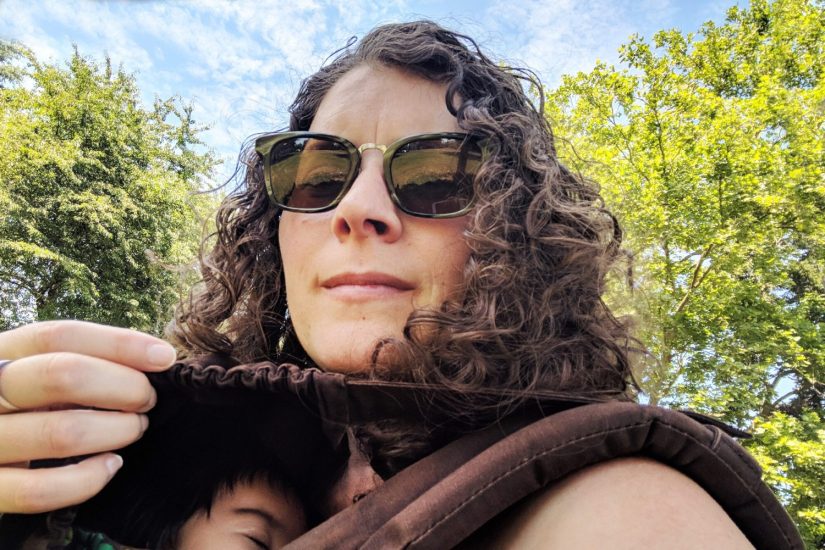
How I Managed the Baby Blues


Having a baby is a highly emotional experience with lots of highs and for some of us some significant lows. Some would even say it’s stressful. With all those hormones coursing through your body it can feel like you don’t have much control over your emotions.

Earlier this year my daughter was born. She’s our first child and like so many new moms I thought I knew what to expect. I’d read all the blogs and books, and listened to all kinds of podcasts, but the one thing I wasn’t prepared for was the emotional rollercoaster. And more specifically I didn’t expect to experience baby blues.

From the days immediately following her birth, I experienced big emotional swings, from being enraged to complete apathy. Somos muy chillones en mi familia. And besides I believe you need a good cry every once in a while. But in the weeks after the baby arrived crying became a daily occurance. I was extremely overwhelmed and experienced huge mood swings–I’d go from 0 (normal) to 10 (rage/weeping) in a matter of seconds. In the middle of the night I’d wonder why anyone would ever have a baby and swear I never wanted to have another. When my mom showed up with a pot of albóndigas and I didn’t get excited, I knew something was wrong.


This was not normal for me. However, up to 80% of women get baby blues and as many as 20% suffer from postpartum depression.

My husband described me as going dark. He knew me as this strong, grounded, rational woman who knew how to ride life’s waves. I’m a resilient person. But in those first several weeks after my daughter was born, I didn’t know how to summon that resilience. I didn’t feel like myself.

It was my husband who encouraged me to reach out to my friends and share how I was feeling. He pushed me to call my friends with kids so I could talk to someone who would understand what I was going through. And that helped, but in those moments, in the throws of motherhood I felt completely overwhelmed. It didn’t take him long to suggest that I get some help and talk to a therapist.

I found a certified family counselor who specializes in transition to motherhood. My first session was at 5 weeks postpartum and it was an amazing release. I shared what I was feeling, all the emotions and frustration, the guilt, the complete sense of being overwhelmed. And at the end of the hour, I felt a great weight was lifted.

It wasn’t just talking about my feelings and experience that helped. She gave me concrete and useful information that helped make sense of what was happening. She told me there are three primary drivers of baby blues, and this goes for postpartum depression too (besides the hormonal and chemical changes):

  1. Sleep deprivation
  2. Lack of physical activity
  3. Social isolation

She told me if I could address these drivers, it would significantly help me manage my baby blues.

Sleep deprivation

This is a tough one for most parents. Some parents luck out and get those babies that sleep all the time. For the rest of us, it’s 20 minutes here and there and up every hour and half at night to eat. Generally speaking, we humans need at least 5 hours of uninterrupted sleep to be our optimal selves. And for most new moms that’s not happening. The common advice to sleep when the baby sleeps is great in theory, but in practice I found it nearly impossible. So suffice to say there wasn’t much I was able to do early on about sleep.

Lack of physical activity

I had a c-section so by necessity I couldn’t move much at all. On top of that, I had a newborn and it was cold out and I was super paranoid about germs the first 8 weeks. It wasn’t until two weeks postpartum that the midwives gave me the green light to take the dogs for a two-block walk. Normally we take the dogs for two 30-minute walks a day, so my first postpartum walk around the block was amazing! I didn’t care that it was raining. I was out in the world! And that short outing did wonders for my mood that day.

At six weeks postpartum I got the okay to go back to dance and that was a game changer! I took it easy during my first class back. I didn’t go all out. But that one hour of being in my body made me feel like me again. Slowly but surely we got back into our regular walks and I went to dance whenever I could. I took an awesome postpartum yoga class which taught me how to re-engage my core and strengthen my pelvic floor.

Social isolation

This was the biggest one for me. I’m a very social person. I didn’t realize how isolating having a newborn would be. Many people didn’t know if/when it was okay to reach out or come over. They thought I was too busy or didn’t want company. Nothing could be further from the truth. I needed people around. I needed to check in with friends. I needed to know what was going on outside my house.

I realized I needed to be proactive. I reached out to friends and asked them to join me on walks or meet for coffee. I let them know they wouldn’t be bothering me if they texted or called on a whim.

I also shared with my friends what I had experienced with the baby blues. I let them know I needed their support and what they could do to help.

Now that my daughter is older she’s sleeping up to 6 hours a night, which I never knew I’d be so excited about 5+ hours of sleep! I’m back at dance and starting to feel my strength back, but it’s a journey. I’m not back to my pre-pregnancy self, and that’s okay. I decided to be kind with myself. It might take a year or longer for me to feel as strong, flexible and have the stamina I had before pregnancy. The social isolation is still something I have to work on. We’re the first ones in our circle of friends to have a child and so everyone is still figuring out what that means. And I realized I have to take care of me and speak up about what I need, which means being proactive about getting together with friends.

I hope my experience helps other moms. It’s important we take care of ourselves so we can be the best parents. And it’s also important we be kind with ourselves. I’ve learned to be easier on myself, foster acceptance, be more patient, find the humor and ask for help when I need it.

NOTE: If you’re experiencing what you think might be baby blues or postpartum depression, please speak with your healthcare provider. This blog is simply meant to bring awareness and share what worked for me in my situation. Every situation is different. Please speak with your healthcare provider and they can provide you with resources to help.